Marine Corps Warfighting Lab Adds $5 Million for REGENT Craft's Viceroy Seaglider, Bringing Total to $19.25 Million
Why It MattersContinued Marine Corps funding of a certifiable wing-in-ground-effect craft keeps a sea-skimming transport niche alive in military planning after a larger Pentagon ground-effect program ended.
The Marine Corps Warfighting Lab (MCWL) is putting another $5 million into REGENT Craft's electric Viceroy Seaglider, a wing-in-ground-effect craft that takes off from the water, flies about 30 feet above the waves and lands without a runway. REGENT, based in Rhode Island, announced on Sept. 30 that the extension brings its partnership with MCWL to $19.25 million to date; the company's headline rounds that figure to $20 million. The new funding pays for a fourth phase of demonstrations and command-and-control work with six planned deliverables.
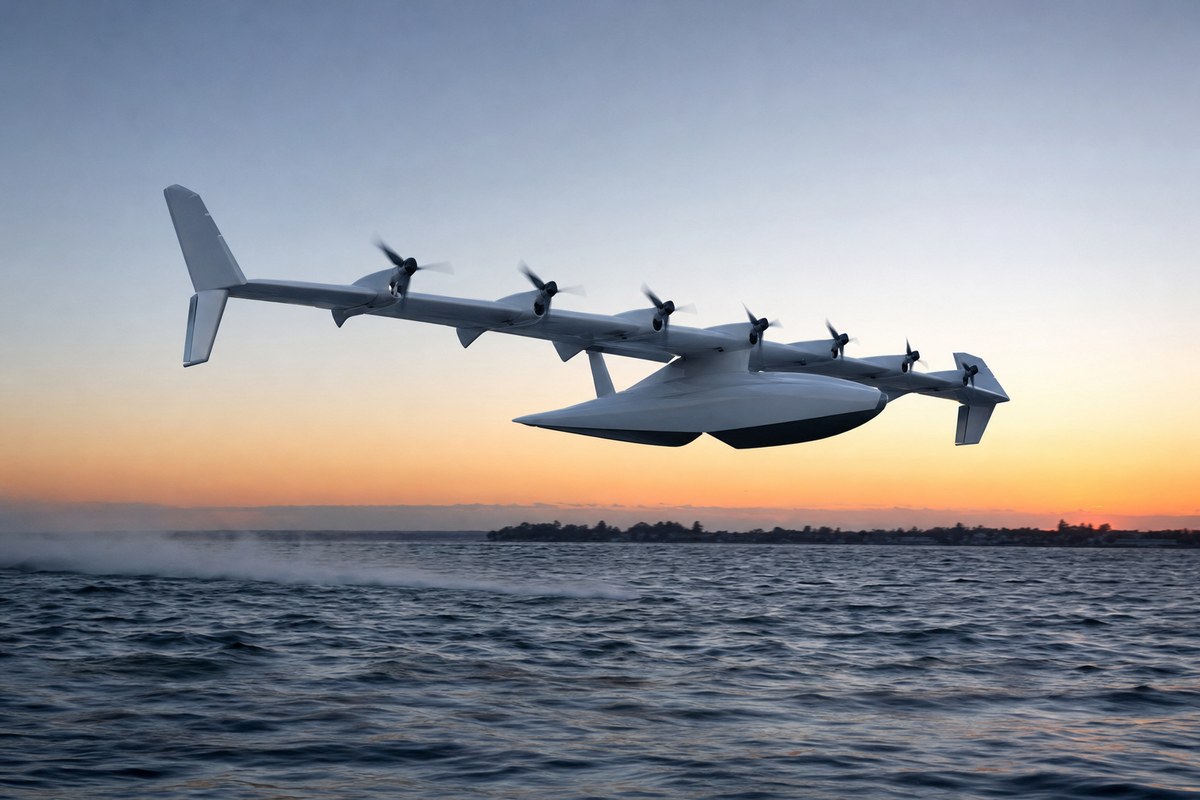
REGENT signed its first MCWL agreement, worth $4.75 million, in October 2023, with goals of proving the craft in hull, foil and wing-borne modes and informing risk reduction and craft-level certification requirements. In March 2025 the company said it had completed that contract and signed a second phase estimated at $10 million, which The Defense Post put at $9.5 million for full-scale prototype demonstrations. REGENT unveiled the full-scale Viceroy prototype and began crewed sea trials in Narragansett Bay that month. In November 2025 it ran three rescue drills for the Marine partnership.
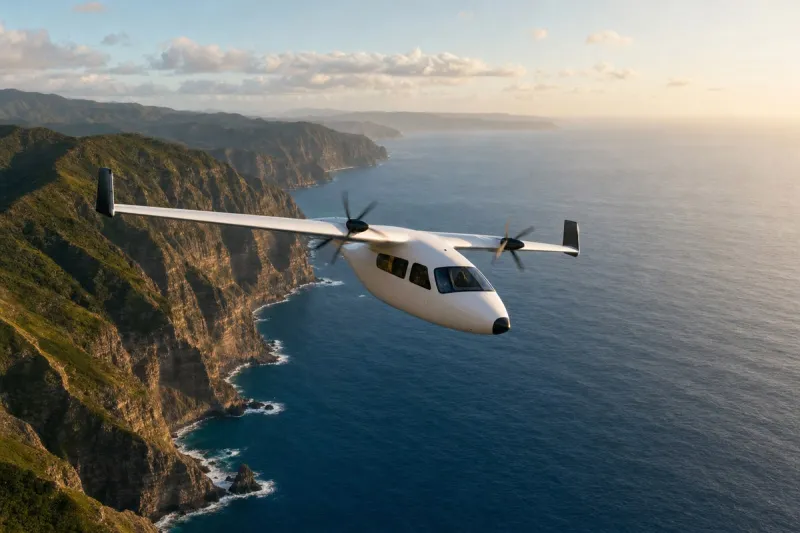
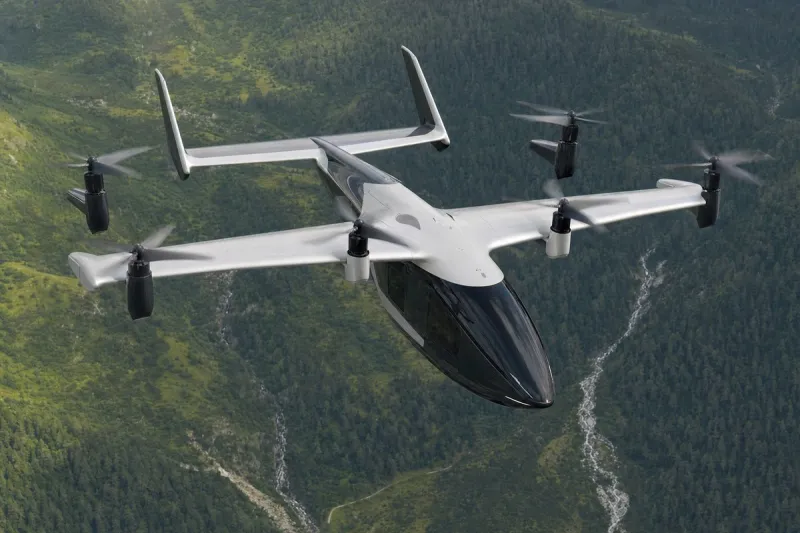
A Seaglider flies within one wingspan of the water, where ground effect reduces drag. It floats on its hull at low speed, rises onto hydrofoils and then lifts into ground effect. Under federal law, wing-in-ground craft are small passenger vessels overseen by the U.S. Coast Guard and captained by certified mariners. REGENT's design targets include speeds up to 180 mph (156 knots), a hybrid-version range of up to 1,400 nautical miles, and a payload of 12 passengers and two crew or 3,500 pounds of cargo. The craft is 55 feet long with a 65-foot wingspan and a 15,000-pound maximum takeoff weight.
The Pentagon has tried large ground-effect concepts before: DARPA ended its Liberty Lifter heavy-lift seaplane program in June 2025 after spending about $98 million. Next, the Viceroy will be tested in conditions relevant to military missions and tied into defense command-and-control systems.