Airbus Forecasts Aviation Services Market to Double by 2045, With 2.44 Million Additional Workers Needed
Why It MattersMaintenance, training and digital connectivity are set to absorb most of the growth, so skilled labour, rather than aircraft supply alone, becomes the binding constraint on fleet availability.
Airbus said at a press conference in Toulouse that it expects the aviation services market to double in size between 2026 and 2045, as the global fleet grows to around 45,500 aircraft. The forecast rests on an average compound annual growth rate (CAGR) of 3.8%, putting the market above US$420 billion by 2045. Passenger numbers are also expected to double, to more than 10 billion a year by 2045. Airbus estimates demand for more than 2.44 million additional skilled people by 2045: 1.05 million flight attendants, 660,000 pilots and 730,000 maintenance technicians.
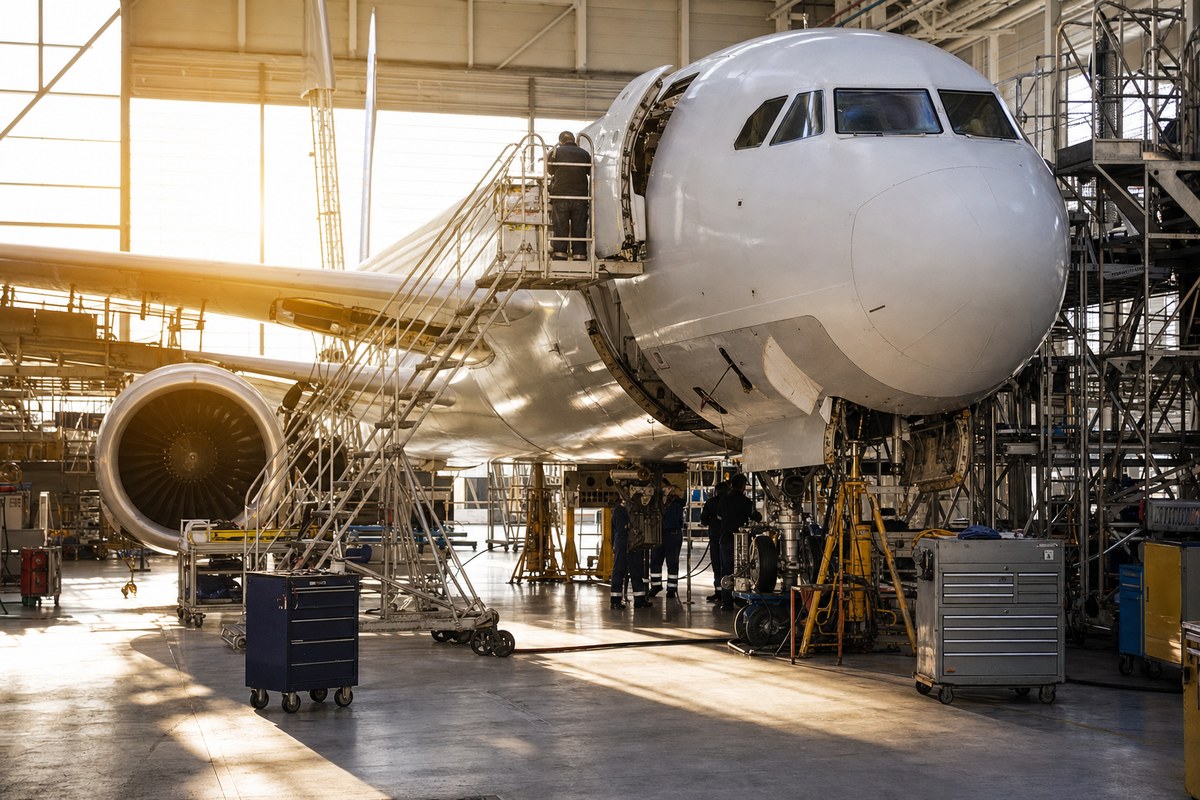
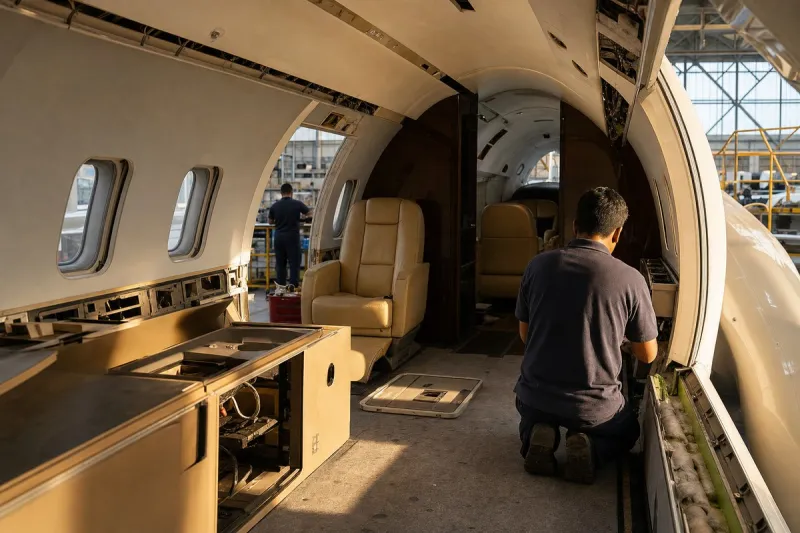
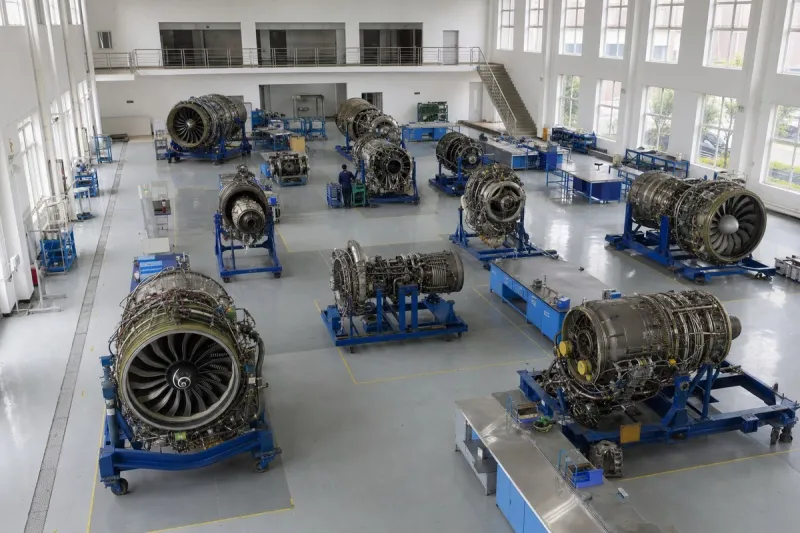
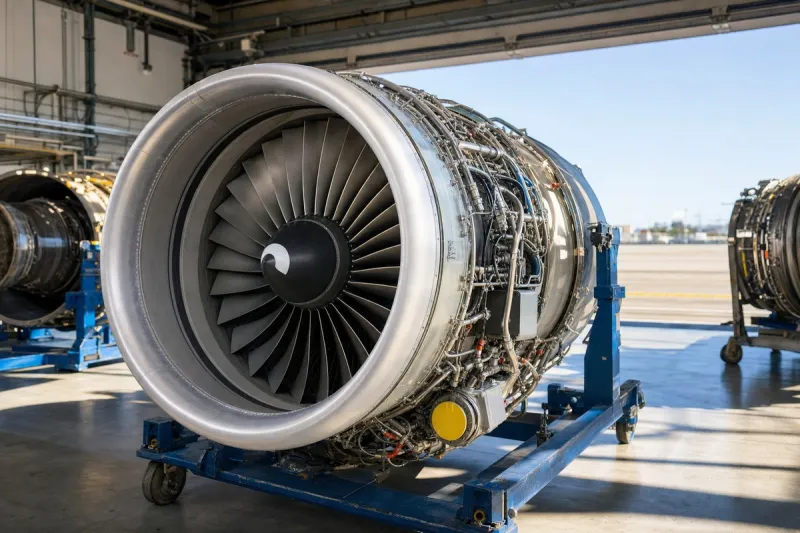
The forecast identifies six growth pillars. Off-wing maintenance is the largest, projected to double in value to $217 billion by 2045 at a 3.7% CAGR, with Airbus citing more shop visits from an aging and growing fleet. Maintenance operations support is projected at $104 billion with a 4.3% CAGR, and on-wing maintenance at $36 billion. Training is expected to grow at a 3.1% CAGR, with pilots' simulator hours set to double. Digital connectivity is the fastest-growing segment at a 5.3% CAGR, tripling in value to $27 billion.
Airbus says digital solutions and connectivity underpin every segment of the services market, helping airlines improve operational efficiency, reduce delays and cancellations, and increase maintenance agility. Disruptions cost the airline sector $43 billion in 2025 alone, and those losses could reach $80 billion by 2045; improved digital connectivity should cut 30% of that total. Cristina Aguilar Grieder, Airbus SVP of Customer Services & Commercial Aircraft, said Airbus is expanding its role as an integral services partner, integrating predictive operations, fleet modernisation and advanced digital solutions to help airlines ensure fleet availability, reliability, safety and long-term operational excellence.