China's Qifei Aviation Raises Nearly 100 Million Yuan, Manned eVTOL W280 Wins TC Acceptance
Why It MattersThe certification milestone signals accelerating domestic progress in China's eVTOL sector, backed by state capital and a largely domestically sourced supply chain led by AVIC-affiliated suppliers.
Qifei Aviation, a Chinese eVTOL developer, has completed a strategic financing round of nearly 100 million yuan, with proceeds directed toward product R&D, test flights and airworthiness certification. The round brought in a shareholder structure jointly backed by provincial, municipal and district state-owned capital.
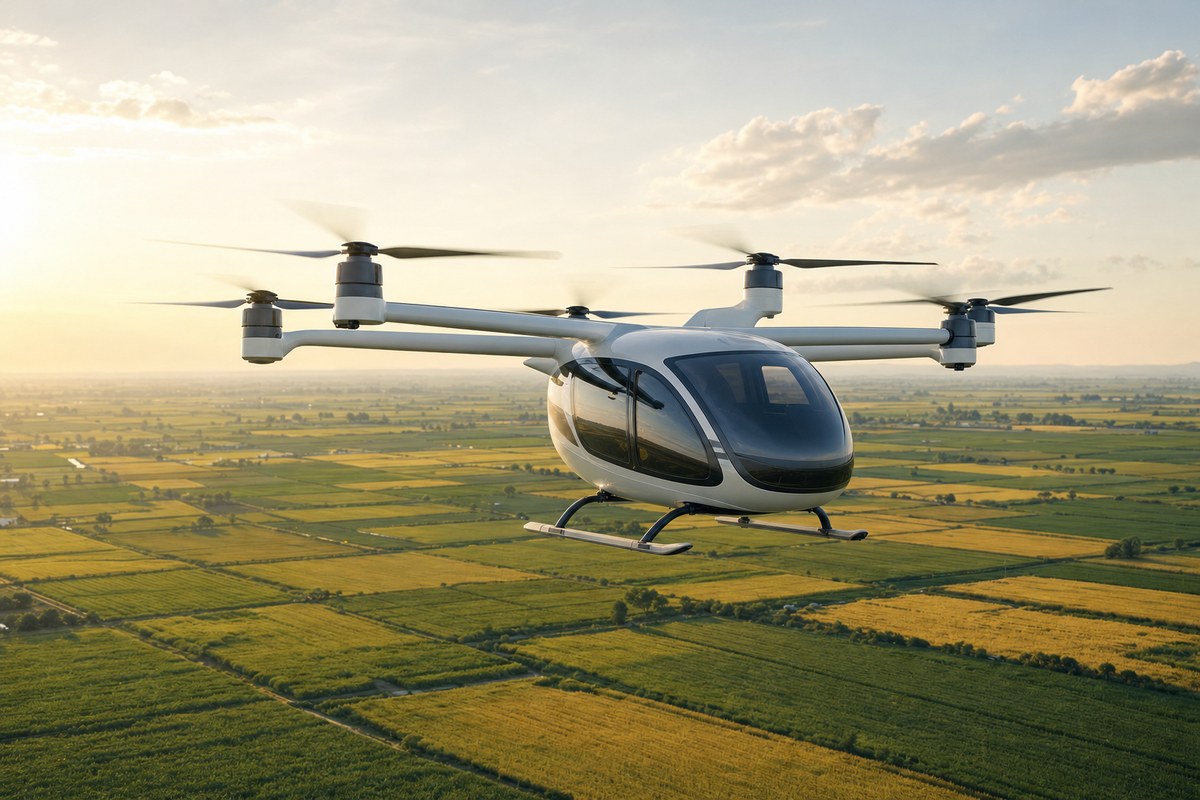
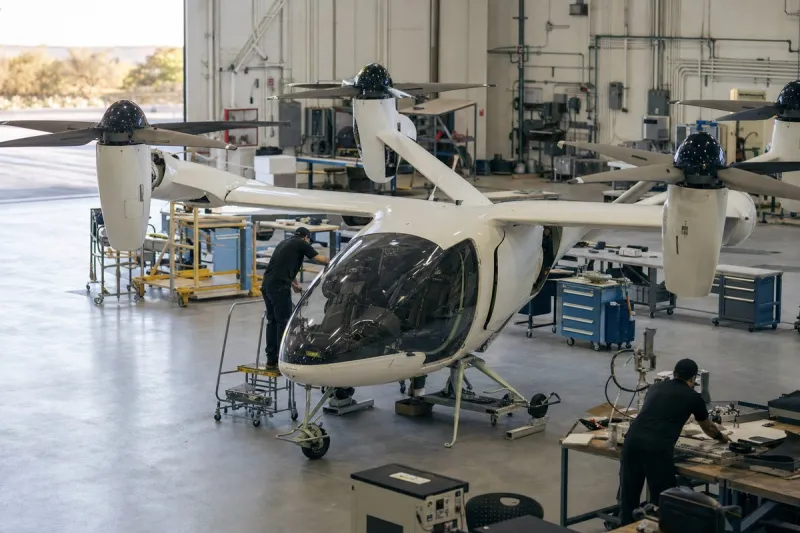
On 1 September 2026, the company's manned eVTOL model W280 received type certificate acceptance from the East China Regional Administration of the Civil Aviation Administration of China. The milestone came just one year after final assembly rollout, covering first flight, conversion flight and the airworthiness acceptance process.
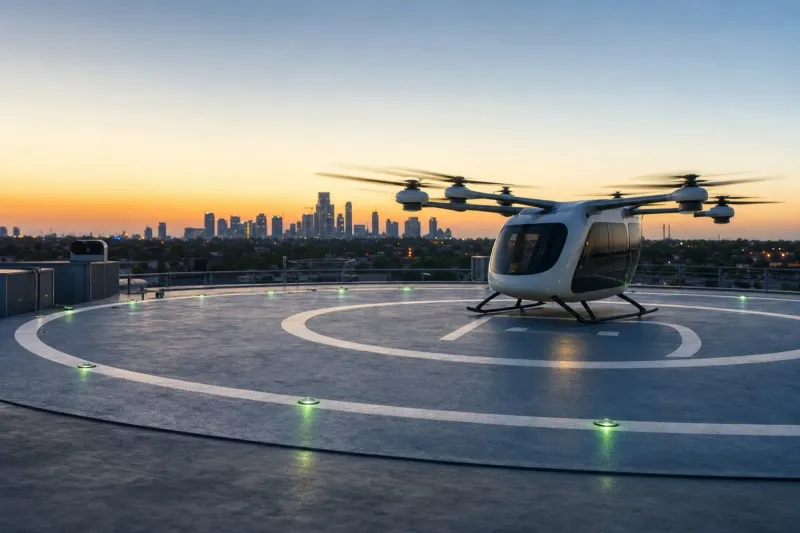
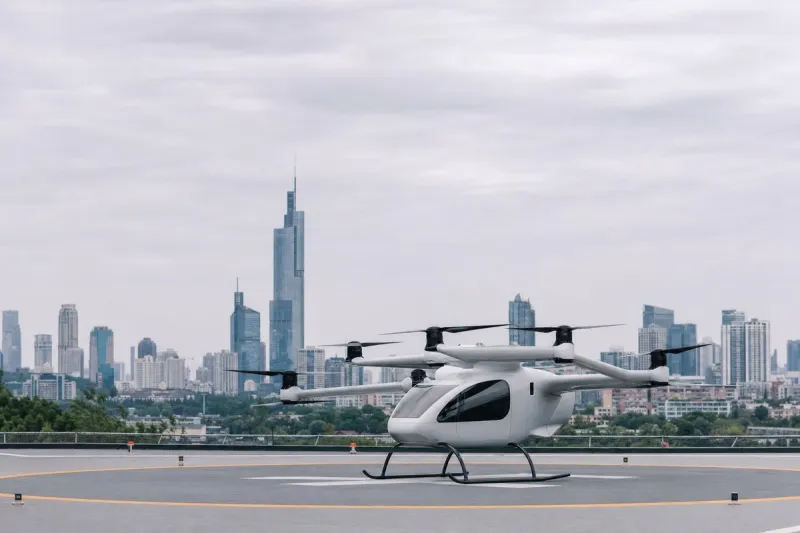
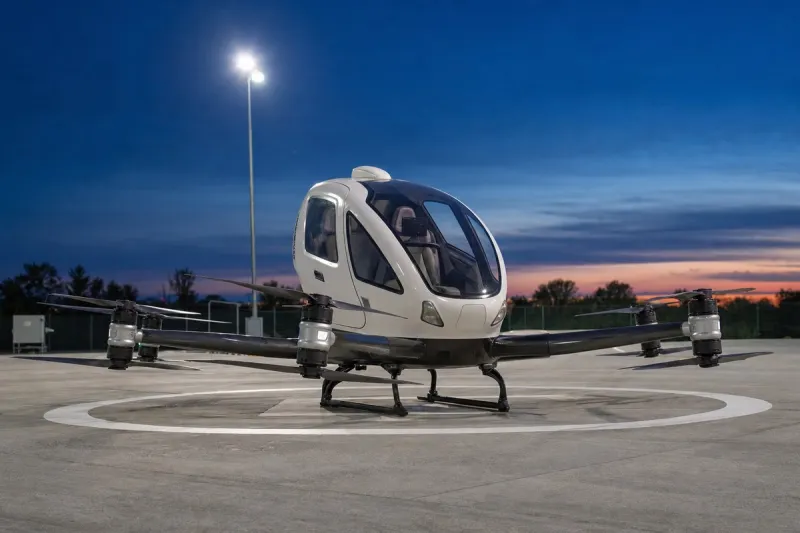
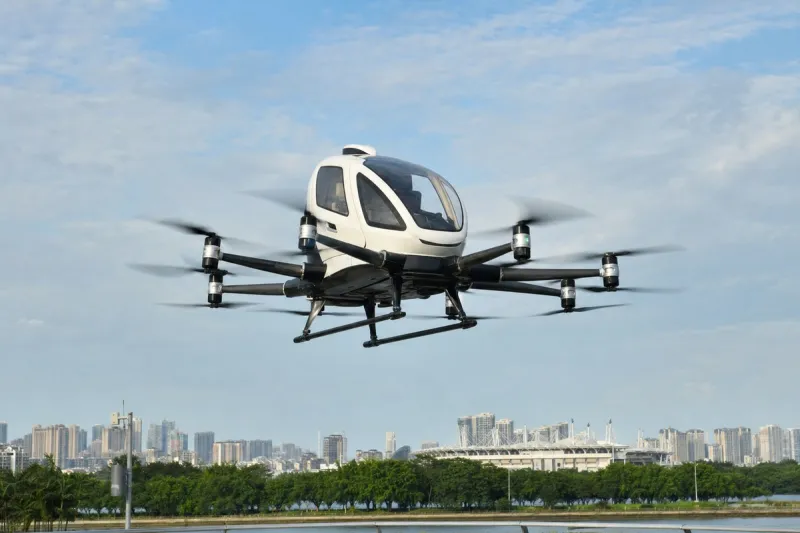
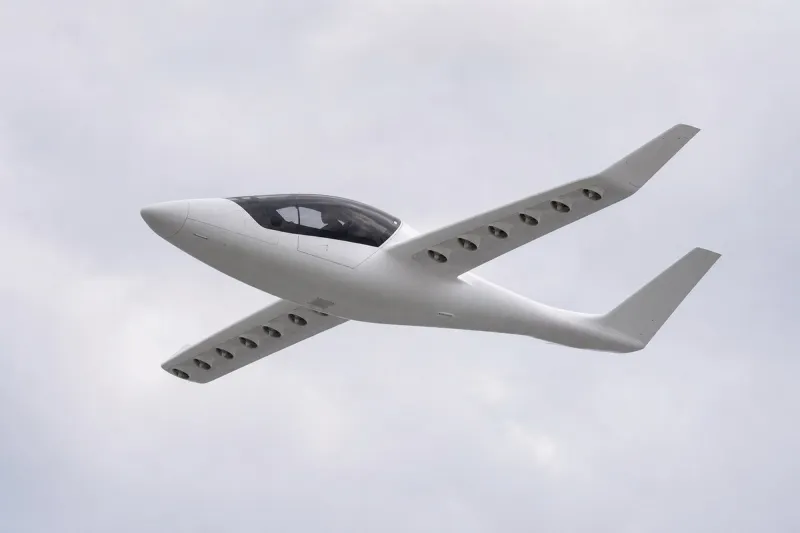
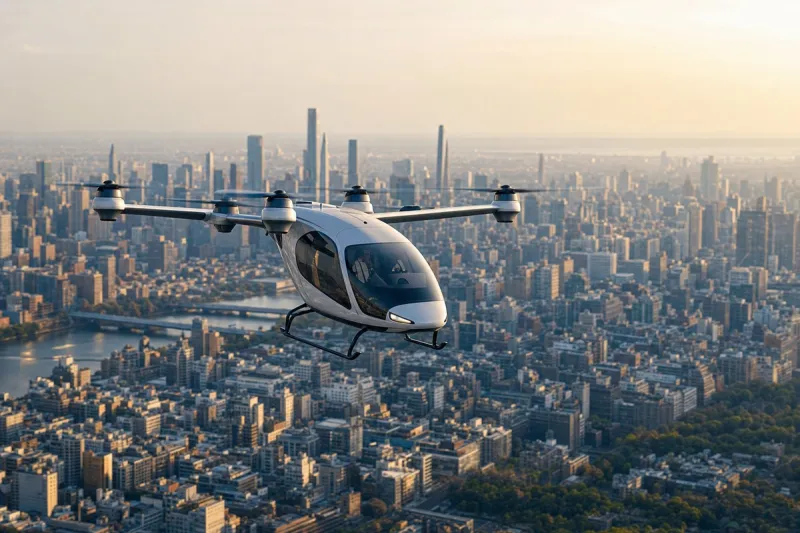
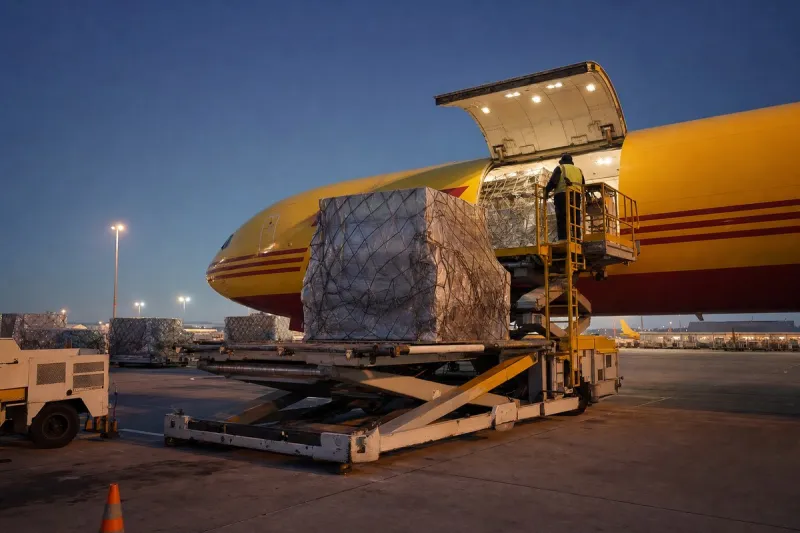
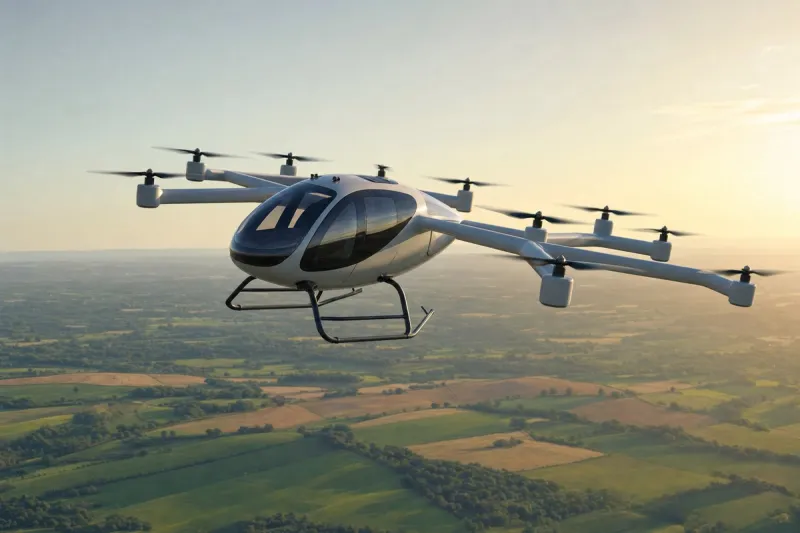
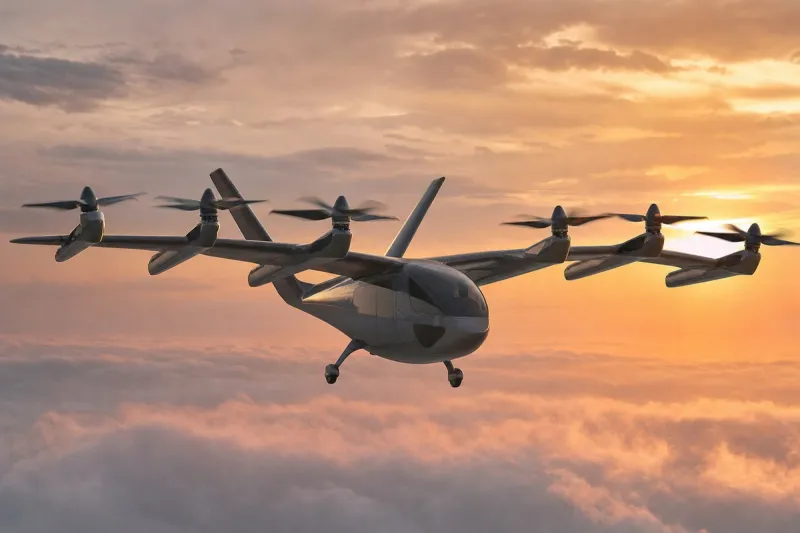
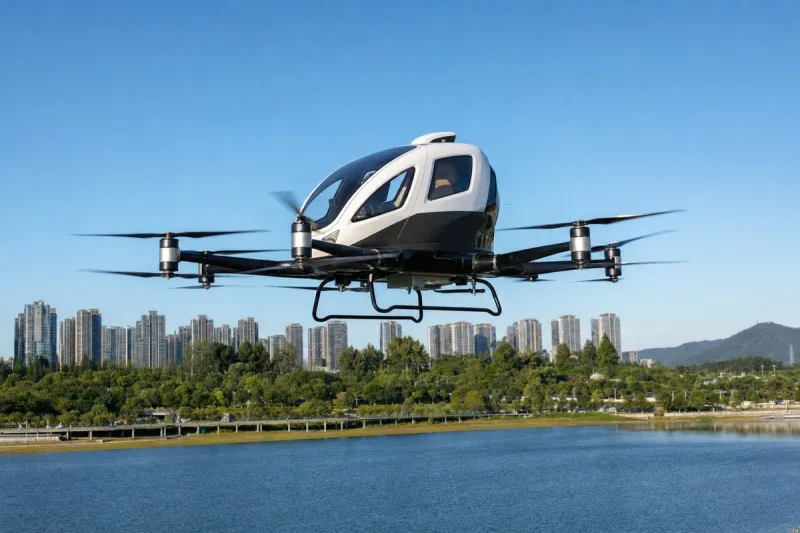
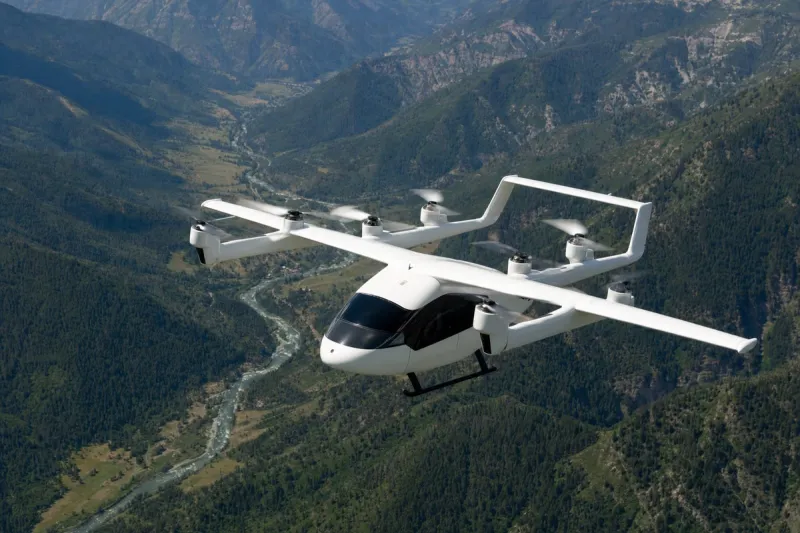
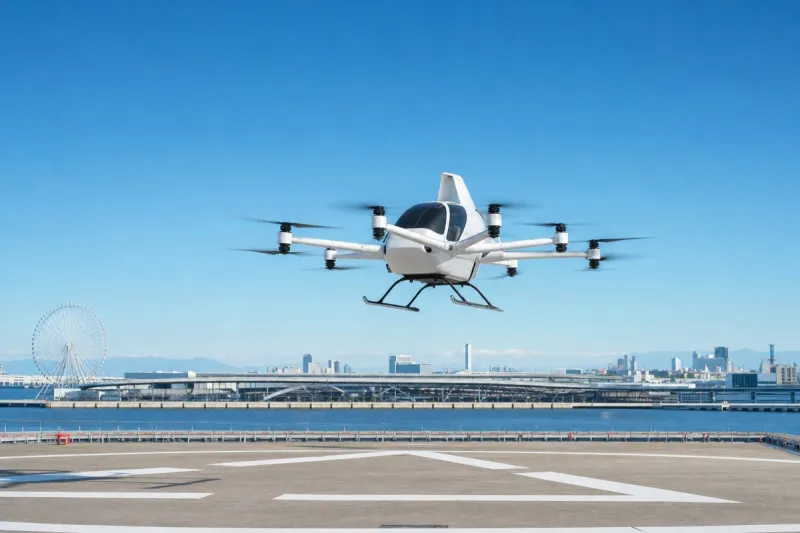
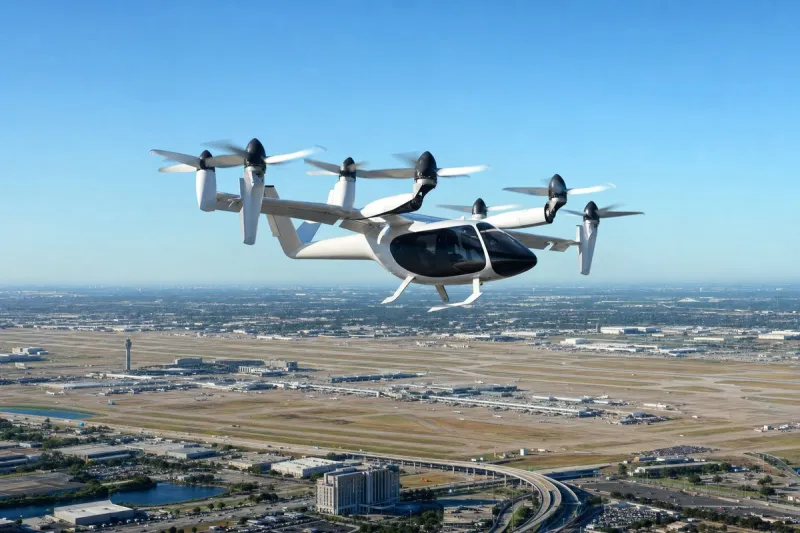
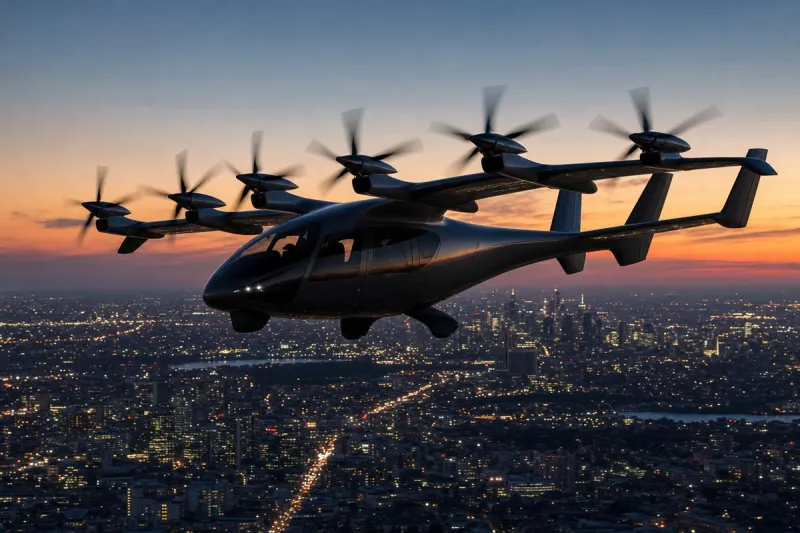
Founded in May 2022, Qifei Aviation has produced three full-size aircraft in three years. The W280 is a compound-wing, pure-electric eVTOL built to passenger-carrying standards, with a maximum take-off weight of 3.18 tonnes, a 5–6 seat layout, a maximum speed of 280 km/h and a maximum range of 300 kilometres. A cargo variant, the W280F, shares the same aerodynamic shape, overall layout, three-electric system, flight control and suppliers, carrying a maximum payload of one tonne.
The company states its supply chain is 100% domestically sourced, with Aviation Industry Corporation of China system suppliers accounting for more than 50%. Qifei Aviation has an exclusive strategic cooperation with AVIC Automatic Control Research Institute covering flight control hardware, while core flight control software is developed in-house. The founding team has nearly 20 years of collective aviation experience, with members having contributed to programmes including the Gulfstream G500, G650, G600, G700 and G800, Bombardier C Series and Global series, Airbus A350 and A400, Boeing 787 and 777X, and COMAC C919 and ARJ21.
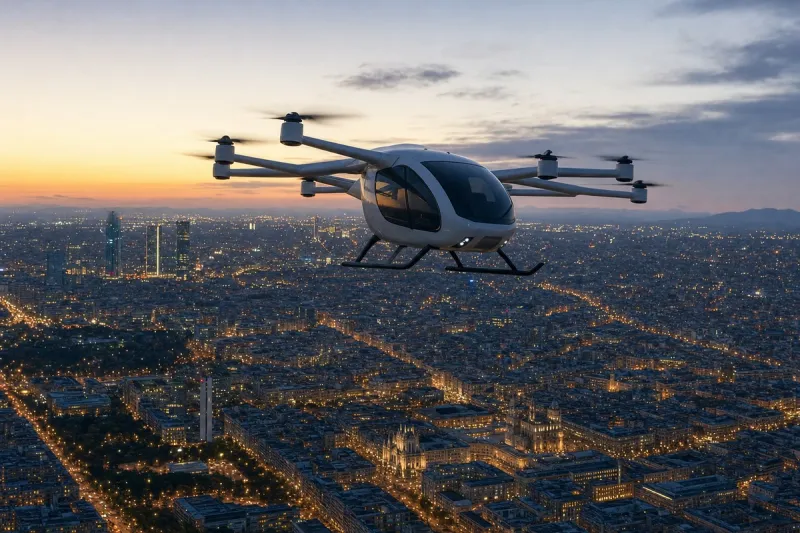
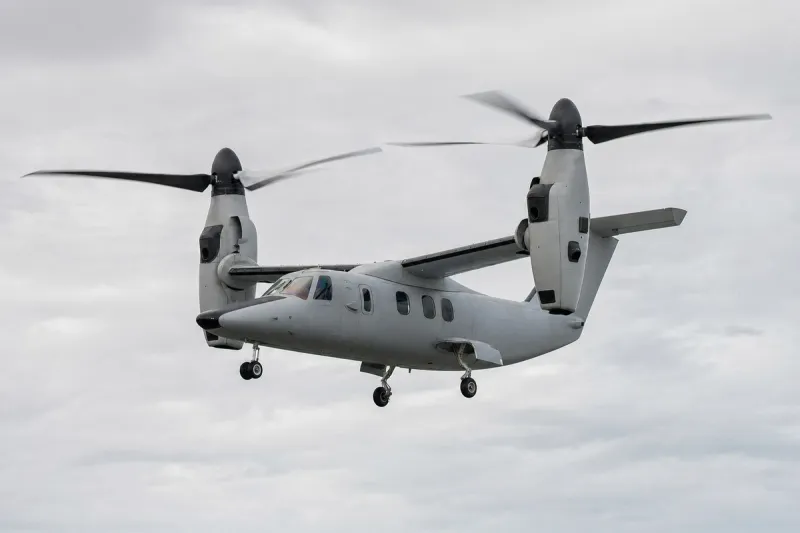
Qifei Aviation targets the 30–150 kilometre point-to-point urban and inter-city travel market, such as routes from city centres to transport hubs and inter-city corridors in the Pearl River Delta and Yangtze River Delta regions. The company chose a compound-wing configuration over tilt-rotor partly because, while tilt-rotor aircraft cruise at 250–300 km/h versus the compound wing's 160–200 km/h, the resulting minute-level time difference has limited impact on passenger experience, whereas tilt-rotor faces higher technical and certification complexity.