Germany Plans €2 Billion Double Auction to Support Synthetic Aviation Fuel Development
Why It MattersThe scheme targets a structural financing gap blocking large-scale eSAF production in Europe, a bottleneck that threatens the EU's 2030 synthetic-fuel mandate across the aviation sector.
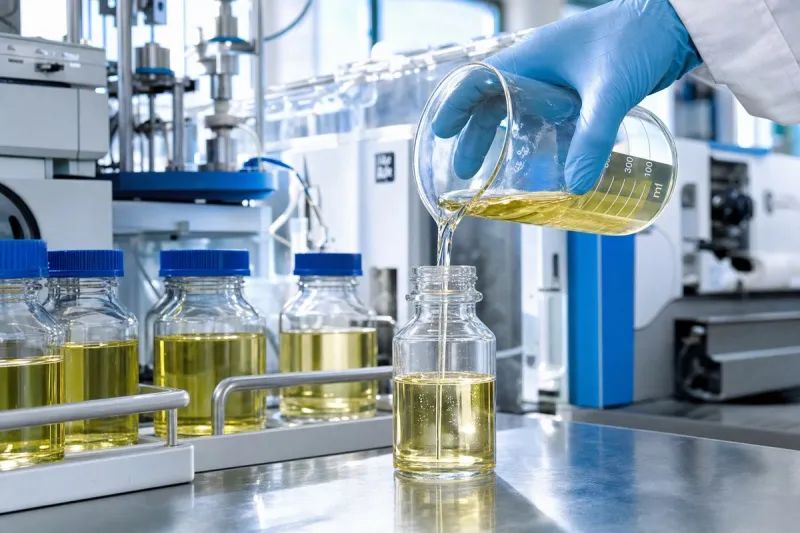
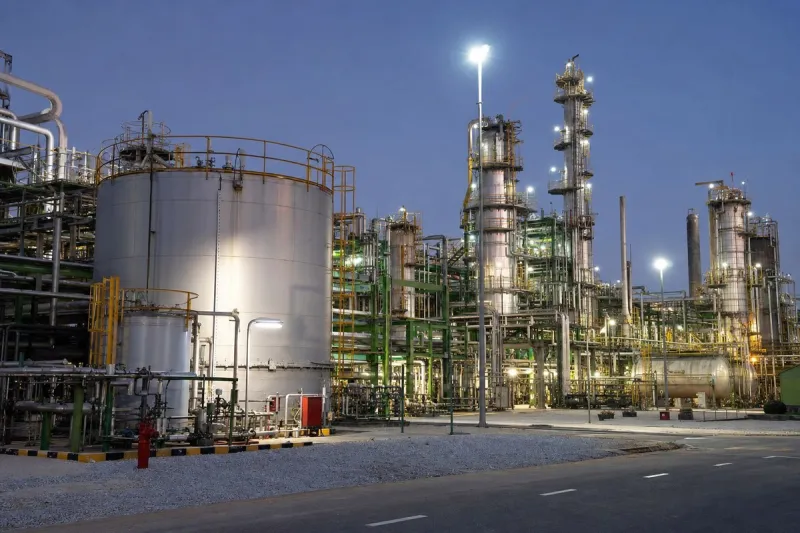
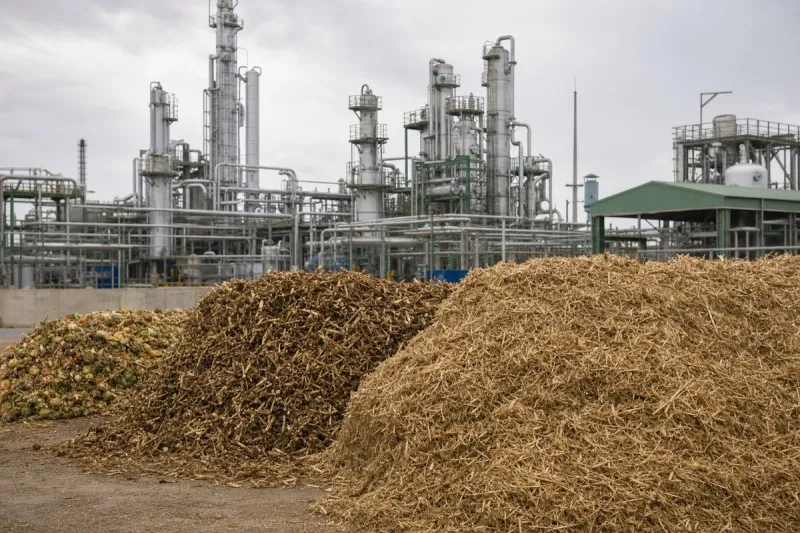
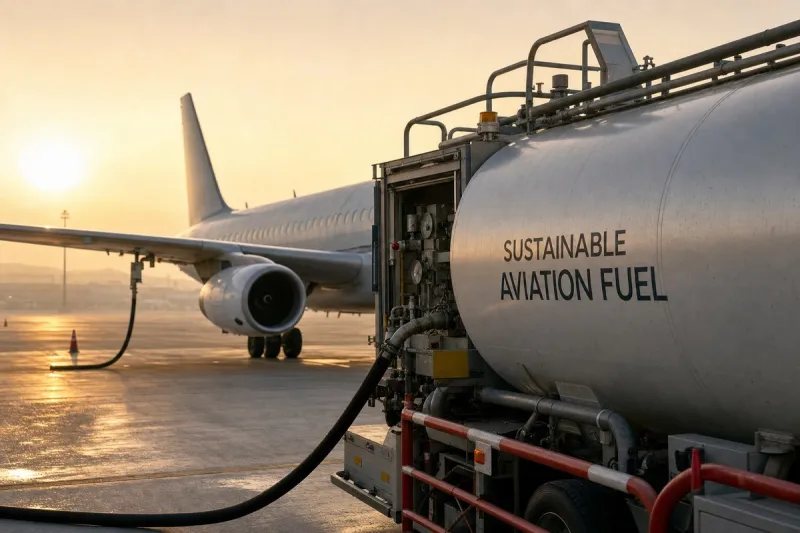
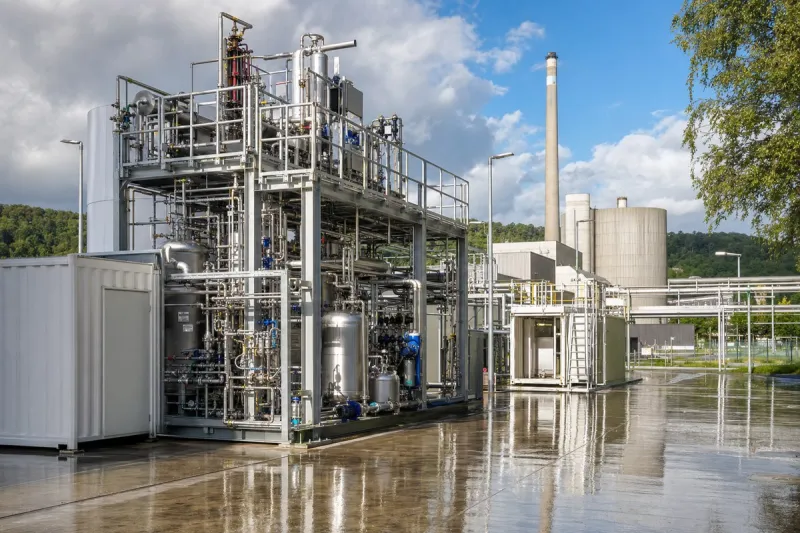
Germany is preparing a €2 billion double-auction mechanism meant to break the financing deadlock that has so far kept any large-scale electrofuel-based sustainable aviation fuel (eSAF) project in Europe from reaching a final investment decision. Under the proposed structure, a state-backed intermediary would sign long-term purchase agreements with eSAF producers offering qualifying fuel at the lowest bid price, then auction that fuel to distributors under shorter contracts, bridging the mismatch between producers needing decade-long revenue certainty and buyers unwilling to commit to ten-year contracts at today's prices.
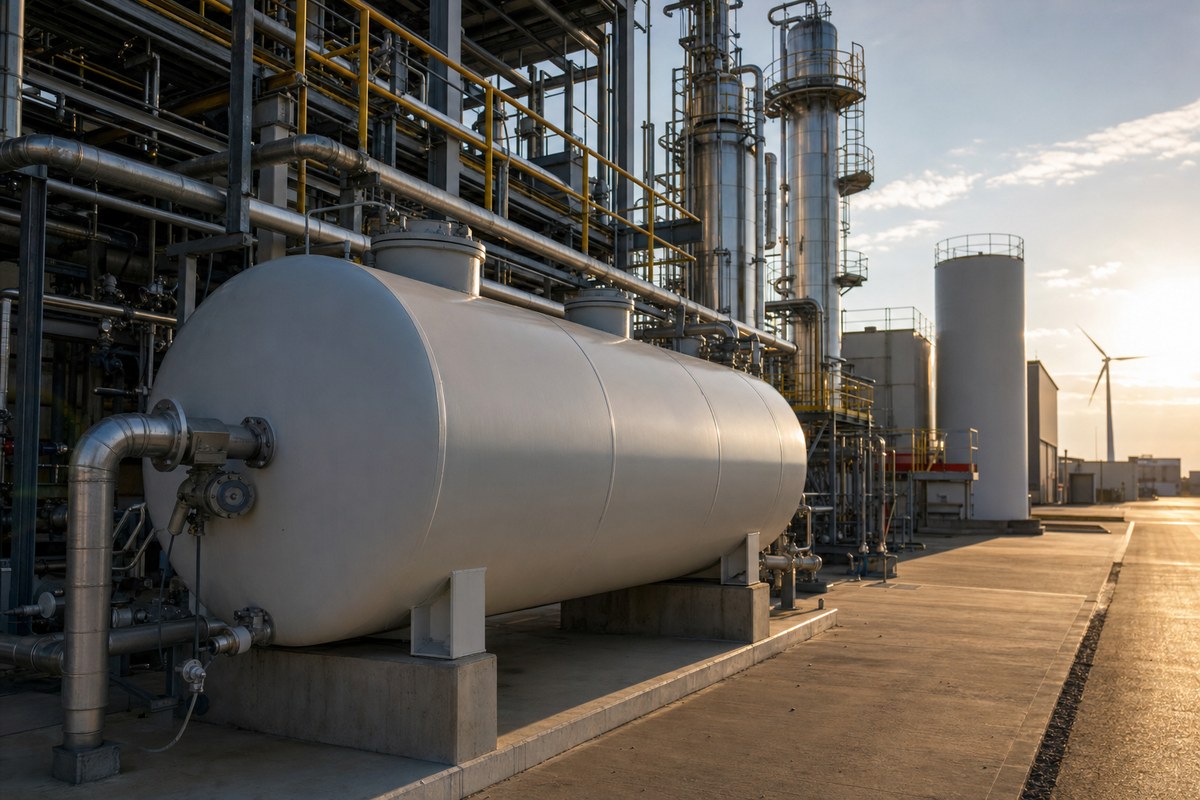
According to EASA's 2025 reference prices, synthetic aviation fuel costs approximately €7,520 per tonne versus €640 per tonne for conventional jet fuel. At the full reference price, the €2 billion budget would buy roughly 266,000 tonnes, though since the government covers only the gap between producer and resale prices, actual supported volumes are expected to be higher. Transport & Environment counts 41 large-scale eSAF projects under development in Europe with potential combined output near 3 million tonnes per year, of which only four are at an advanced stage and none has reached FID; each plant is estimated to require €1–2 billion in capital.
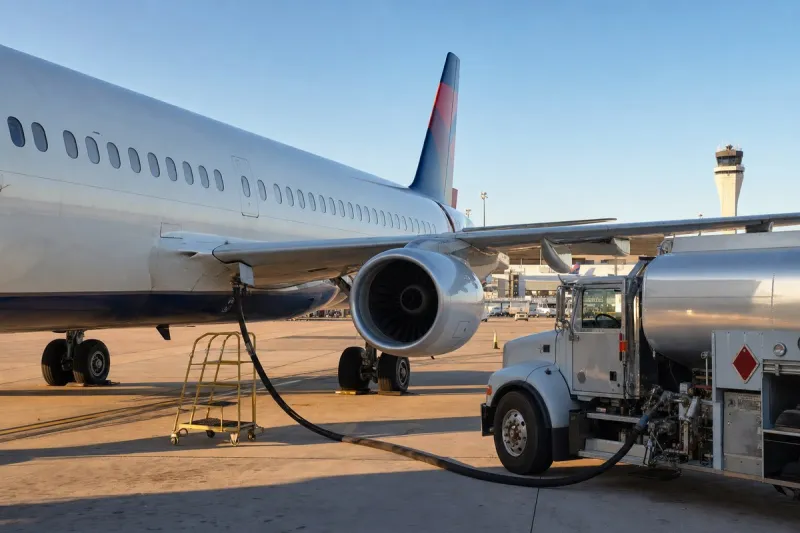
The EU's ReFuelEU regulation requires synthetic fuels to make up 1.2% of aviation fuel supplied at EU airports from 2030, within an overall 6% SAF mandate, but Airlines for Europe said in March that projects with committed investment would cover only 0.7% of the volume needed. Germany had included eSAF in the original H2Global pilot launched in 2022, though that lot ended without a contract award and its funding was redirected to renewable methanol; the new proposal carries a dedicated budget and a longer delivery horizon, and forms part of an eight-country Early Movers Coalition seeking to mobilise at least €500 million for an initial multinational auction.
Qualifying fuel must be ASTM-certified, comply with EU renewable-fuel rules and be produced within the European Economic Area, a requirement analysts note excludes regions with lower renewable electricity costs, with long-term cost leadership instead expected to favor producers with access to abundant cheap renewables, reliable carbon dioxide supply and efficient conversion technology, potentially in regions such as North Africa, the Middle East, Australia or Latin America.