SAF Production Doubled to Two Million Tonnes in 2025 as Industry Shifts Focus From Climate to Strategic Resilience
Why It MattersFeedstock concentration in HEFA and rising geopolitical risk are pushing SAF strategy toward pathway diversification and defense-linked demand to secure long-term production capacity.
Global production of sustainable aviation fuel doubled in 2025 to approximately two million tonnes, according to the SkyNRG & ICF SAF Market Outlook 2026. Demand is forecast to accelerate sharply through the end of the decade, driven by regulatory mandates including ReFuelEU Aviation and the UK's SAF mandate, along with corporate decarbonization commitments.
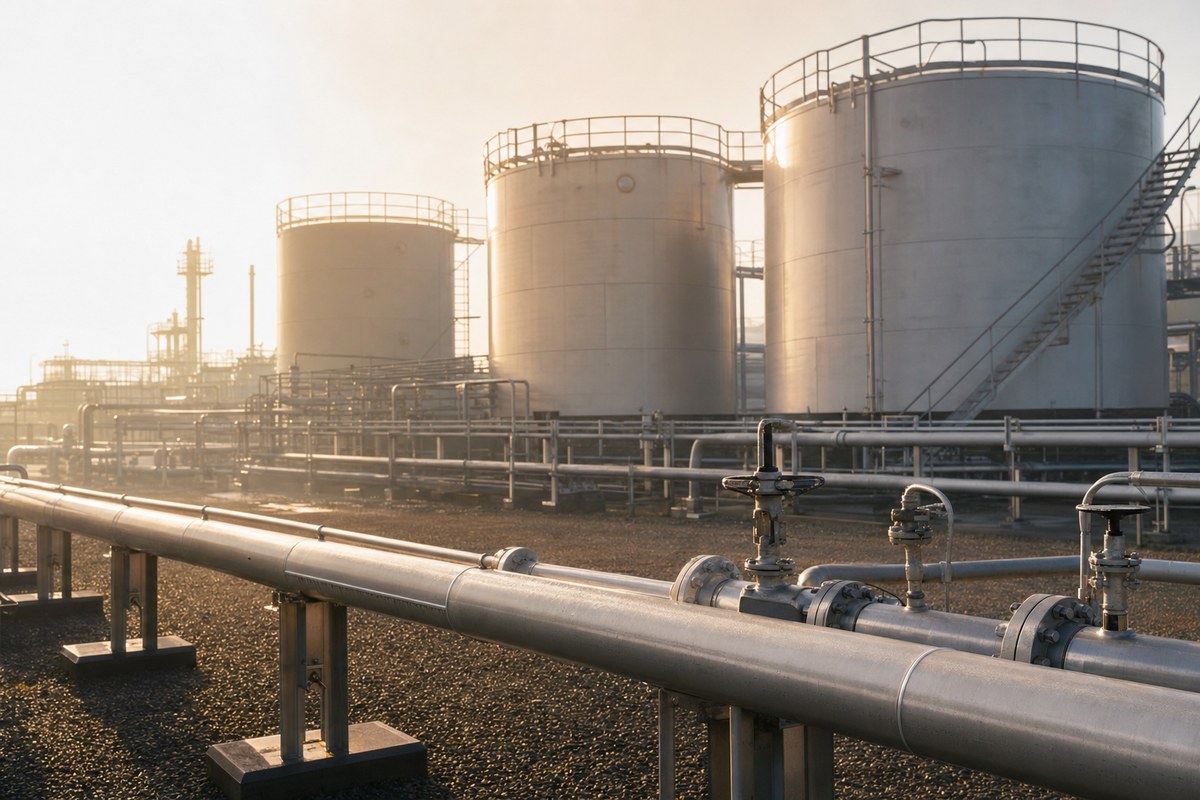
Nearly 85% of announced SAF production capacity currently relies on the Hydroprocessed Esters and Fatty Acids (HEFA) pathway, which converts used cooking oil, animal fats and other lipid feedstocks into aviation fuel. The SkyNRG & ICF outlook and Valentin Batteiger of Bauhaus Luftfahrt, speaking at the IMPACT Aviation Stocktake Forum 2026, both identified a need to diversify into alcohol-to-jet, Fischer-Tropsch and advanced biofuel pathways as competition for HEFA feedstocks increases across sectors.
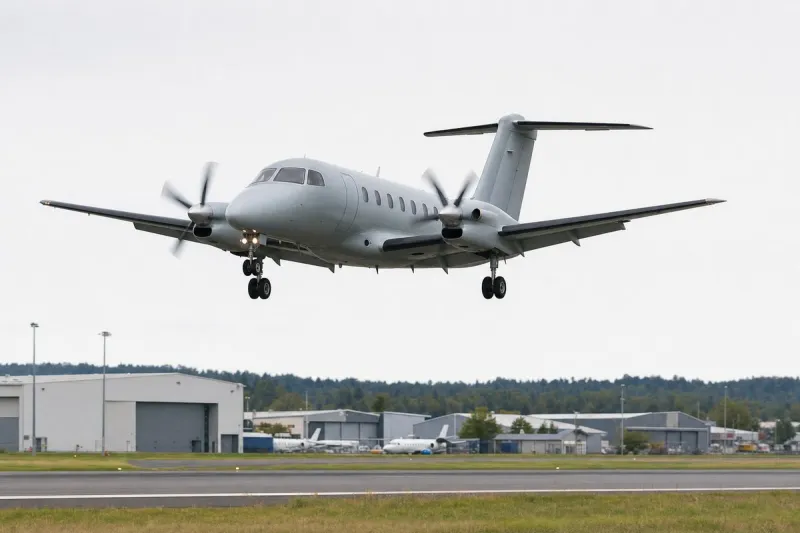
Beyond decarbonization, SAF is increasingly framed as a matter of energy security and industrial strategy. Geopolitical tensions, including the Iran conflict in early 2026, have highlighted aviation's vulnerability to fossil-fuel supply disruptions, particularly in Europe, Asia and Oceania, and domestic SAF production is now being discussed across industry, energy and national security government departments, not only climate ministries. Defense organizations have been identified as potentially critical contributors to market development, since long-term procurement commitments from military institutions could improve bankability for large SAF production facilities requiring substantial upfront investment, while operational military deployments can validate fuel performance under demanding conditions.
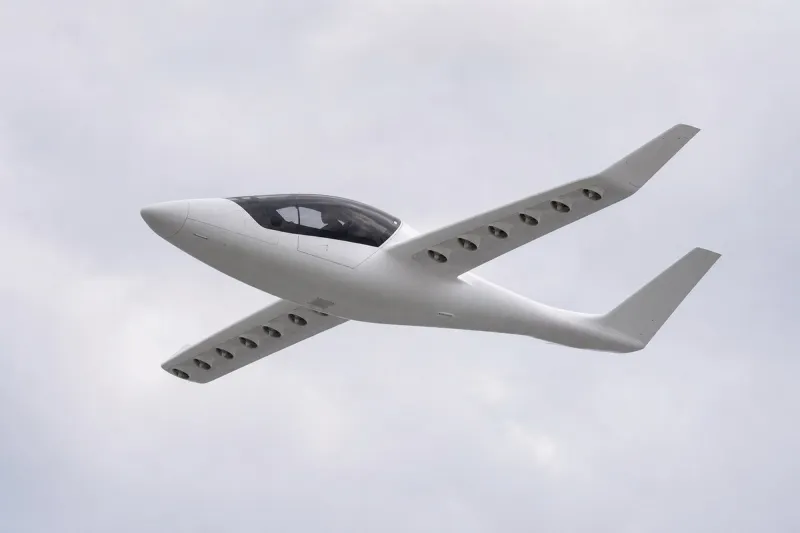
Experts argue that long-haul aviation will remain dependent on liquid hydrocarbons for decades, as electric propulsion and hydrogen face significant technical and infrastructure barriers at scale. SAF's principal advantage is compatibility with existing aircraft, engines and fueling infrastructure, removing the need for fleet replacement or airport fuel-system upgrades, and building sufficient diversified production capacity before fuel availability becomes a strategic constraint is described as the central challenge for aerospace and defense leaders in the years ahead.