Treasury Defends SIFL Formula, Rejecting Senators' Call to Reform Private-Jet Tax Valuation
Why It MattersThe decision preserves a lower-cost tax valuation method for personal use of employer-provided aircraft, leaving operators and executives with continuity absent new legislation or rulemaking.
The U.S. Treasury Department has declined to change the Standard Industry Fare Level (SIFL) formula, the IRS rule used to calculate the taxable value of personal flights on employer-provided aircraft, after five Democratic senators publicly challenged the decision. Senators Sheldon Whitehouse, Elizabeth Warren, Chris Van Hollen, Ed Markey, and Bernie Sanders argued in a July 24 letter that SIFL allows taxable values far below comparable charter prices, calling it a loophole. Treasury responded on August 17, defending the formula and stating that requiring individual fair-market valuations for every personal flight would be administratively burdensome for both taxpayers and the IRS.
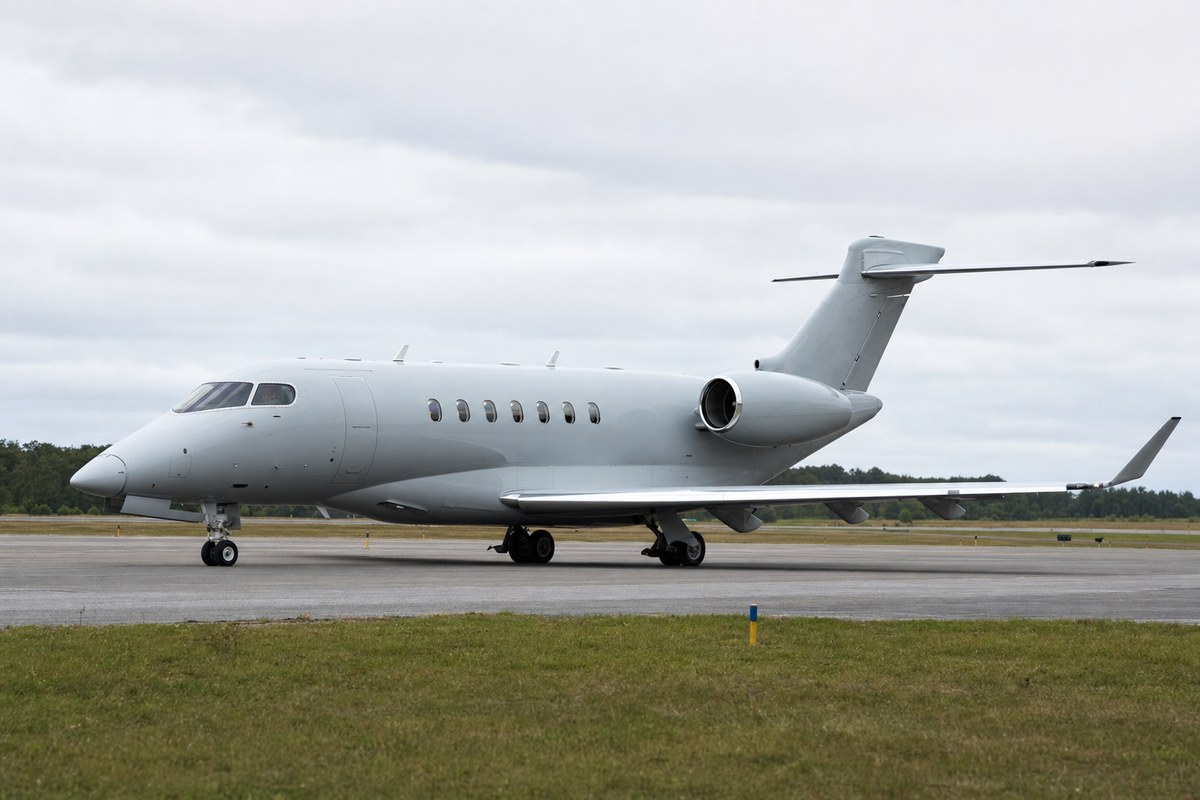
A Joint Committee on Taxation analysis, using first-half 2025 SIFL rates and broker quotes collected in January 2026, found that a control employee's flight from JFK to DCA aboard a light jet produced a SIFL taxable value of $235.77, compared with charter estimates of $4,500 to $5,112. The senators estimated the gap translated to $1,577 to $1,804 less in taxes for the executive in that example, though the JCT cautioned that SIFL is calculated per passenger while charter prices generally cover the full aircraft, making passenger count significant to any comparison. Daniel Cheung, CPA, principal and co-founder of Aviation Tax Consultants, confirmed that SIFL can produce a taxable value below a flight's actual cost, saying SIFL "is in fact still somewhat of a loophole."
SIFL uses a formula rather than a flight-specific charter price, multiplying mileage rates by an aircraft multiple that depends on aircraft weight and control or non-control employee status, then adding a terminal charge, with the Department of Transportation calculating the underlying rates semiannually. For January through June 2026, rates are 29.80 cents per mile for the first 500 miles, 22.72 cents for miles 501 through 1,500, and 21.84 cents above 1,500 miles, plus a $54.48 terminal charge; for July through December 2026, rates rise to 32.25 cents, 24.59 cents, and 23.64 cents, with a $58.95 terminal charge. The debate arises alongside permanent 100% bonus depreciation enacted under Public Law 119-21, which provides a first-year deduction for eligible property, including certain aircraft, acquired after January 19, 2025, though tax advisers note SIFL valuation and bonus depreciation address separate questions. The senators' letter and Treasury's response do not constitute a new regulation, and any formal change would generally require new legislation or an amended regulation subject to public comment.