Brisbane Startup SkySight Awarded £718,586 UK Grant to Develop Stratospheric Flight-Planning Platform
Why It MattersThe funding signals growing government backing for stratospheric HAPS aircraft as a connectivity infrastructure layer between drones and satellites for underserved regions.
Brisbane startup SkySight has been awarded a grant of £718,586 (approximately $960,763) from the UK's Advanced Research and Invention Agency (ARIA) to develop a unified weather forecasting and flight-planning platform for High Altitude Pseudo-Satellites, aircraft designed to operate persistently in the stratosphere.
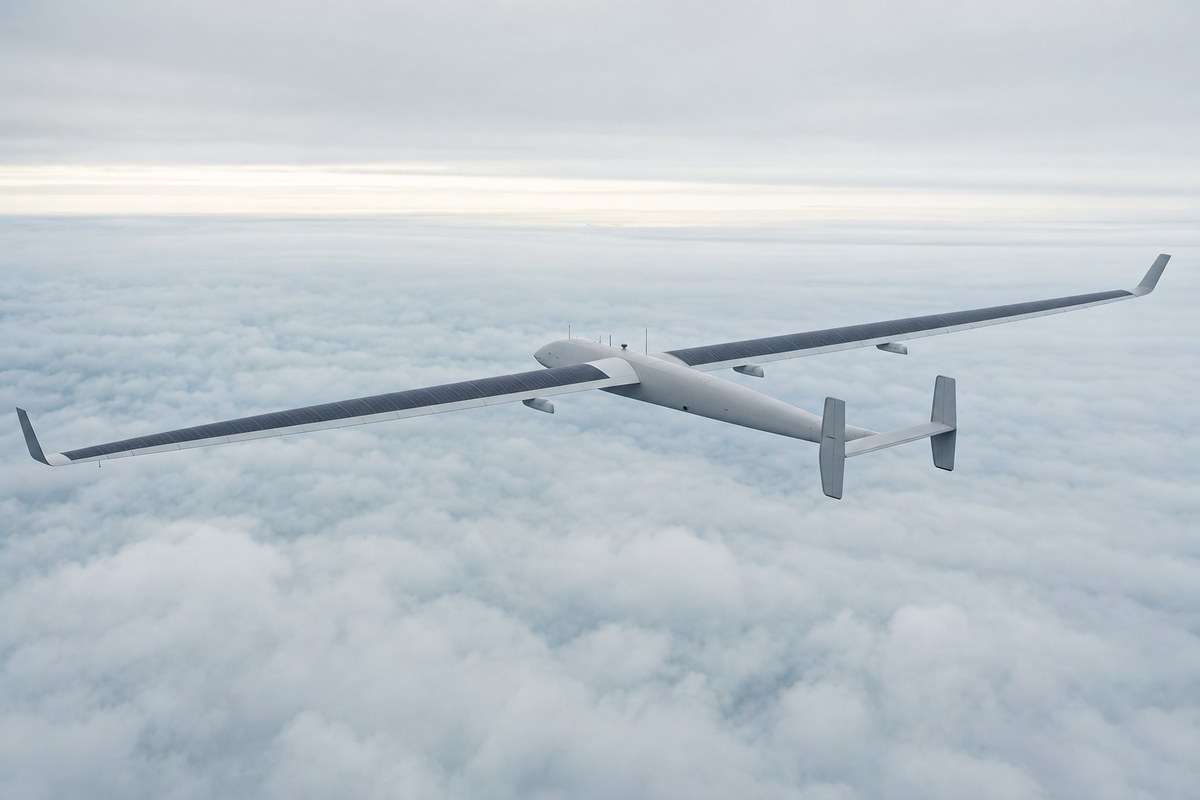
The grant sits under ARIA's Enduring Atmospheric Platforms programme, backed by £70 million over 3.5 years and led by programme director Rico Chandra, which aims to demonstrate that communications payloads can be kept aloft and powered in the stratosphere above the UK for a continuous week. SkySight is one of 18 funded teams working on technologies to make stratospheric operations reliable and cost-effective.
SkySight's platform will help operators plan routes and keep aircraft positioned above a target area while accounting for changing weather, solar energy availability and beamed power, with features including atmospheric forecasts updated every 20 minutes, high-resolution atmospheric modelling, 4D route planning across location, altitude and time, and identification of favourable conditions for radio-frequency and laser power beaming, alongside API integrations with partner aircraft tracking and control systems.
The project will be carried out through SkySight's UK subsidiary, building on its existing stratospheric wave forecasting work for The Perlan Project and BAE Systems, as the broader programme aims to support advanced communications and connectivity for underserved regions by positioning HAPS as an infrastructure layer bridging drones and satellites.