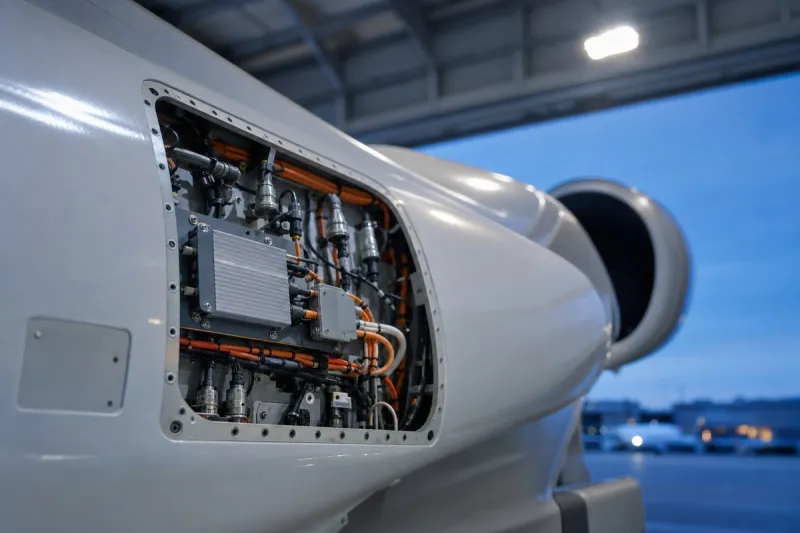
Aerospace Suppliers Test Rare-Earth-Free Coatings as US-China Tensions Disrupt Critical Mineral Supplies
Why It MattersThe disruption pushes aerospace engine and coatings suppliers to diversify materials sourcing and revive older technologies, though full independence from Chinese rare earths remains years away.
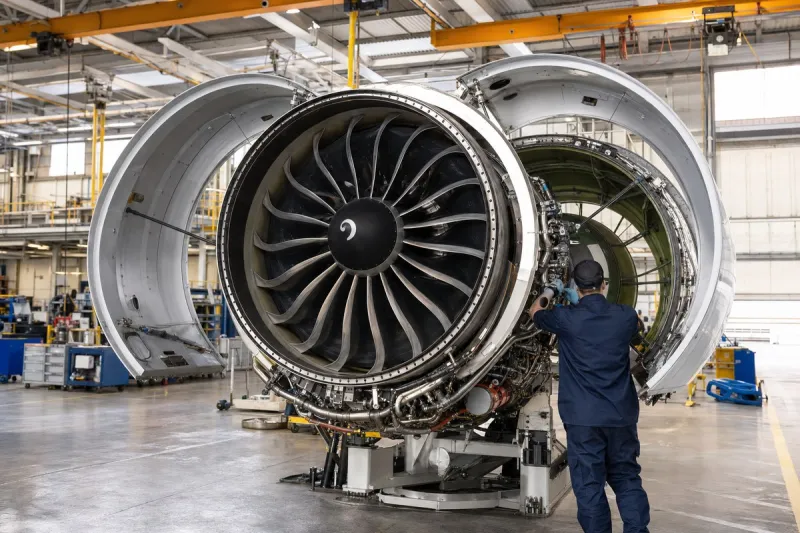
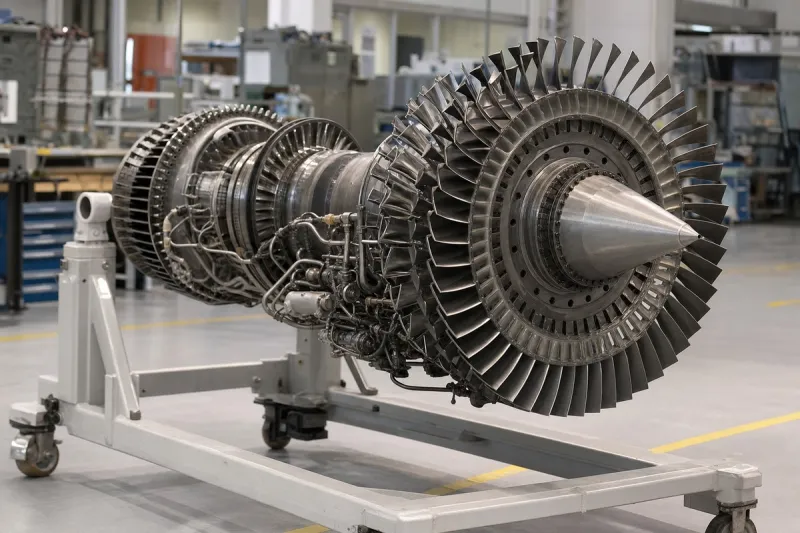
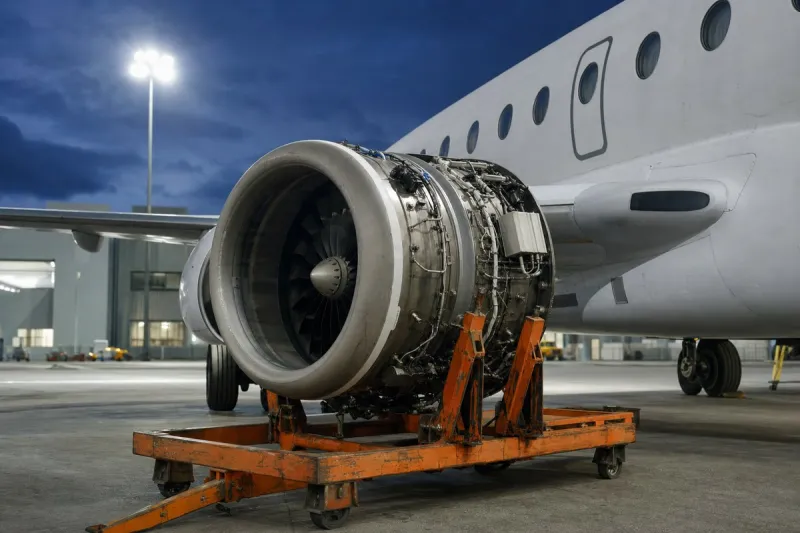
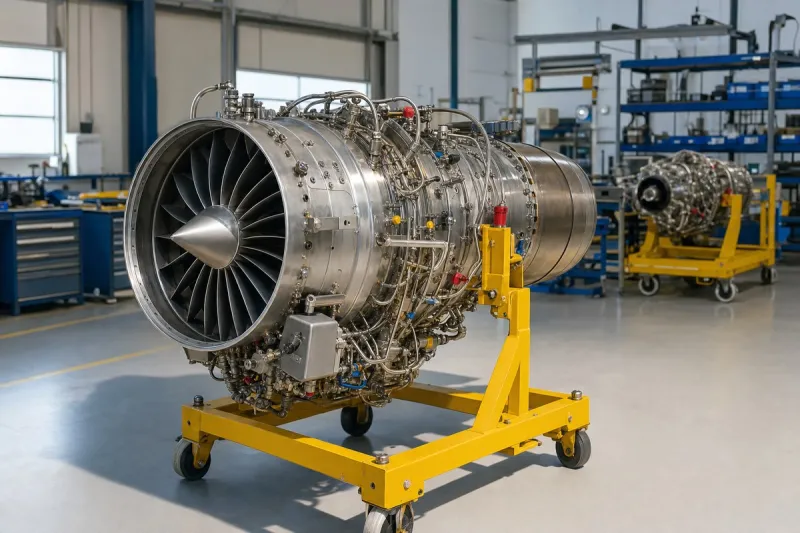
US-China trade tensions have disrupted supplies of rare earth materials from China, which holds a near monopoly on elements such as yttrium, indium phosphide and tungsten used in jet engine coatings, turbine components and semiconductor chips. In response, some aerospace suppliers are revisiting turbine coating formulas from the 1970s and 1980s that were once considered obsolete.
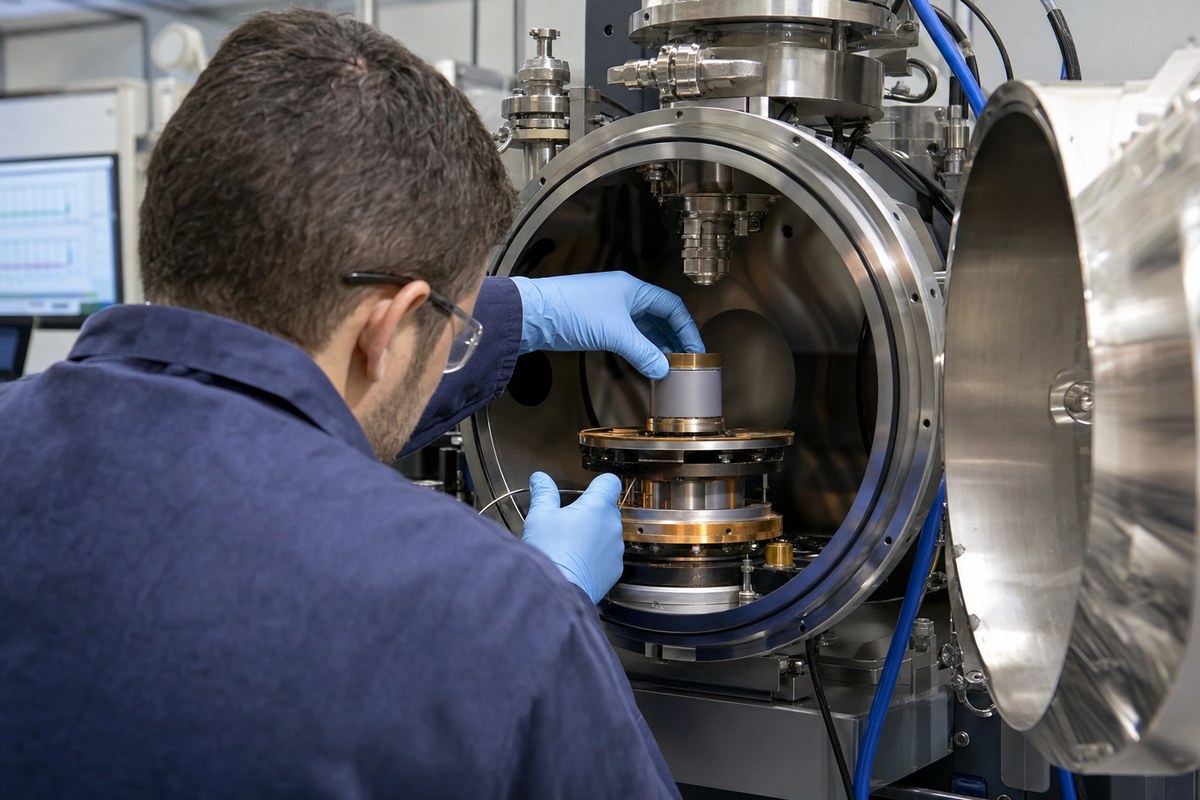
Canada's National Research Council confirmed that rare earth shortages are driving industry interest in alternative thermal barrier coatings used in the hottest sections of jet engines, and is evaluating with industry partners whether zirconium dioxide and other non-rare-earth ceramic oxides from that era can match modern rare-earth-based coatings' performance. European producer Oerlikon Metco said it already sells some rare-earth-free products and is developing zirconia-based thermal barrier coatings made with magnesium and calcium oxides, while some US suppliers are exploring non-rare-earth alternatives for less critical components and recycling surplus coating materials to ease supply constraints.
Geoffrey Gertz, a former White House National Security Council official and senior fellow at the Center for a New American Security, said producers remain years away from replacing rare-earth-based materials or securing adequate domestic US supplies, warning that China will continue to hold considerable leverage in trade negotiations with the United States.