GE Aerospace Commits Over $1 Billion Over Five Years to Expand Global LEAP Engine MRO Capacity
Why It MattersAs LEAP fleets mature into heavy shop visits, engine makers are racing to add module-level overhaul capacity and durability upgrades to keep aircraft flying rather than waiting on repair queues.
What happened
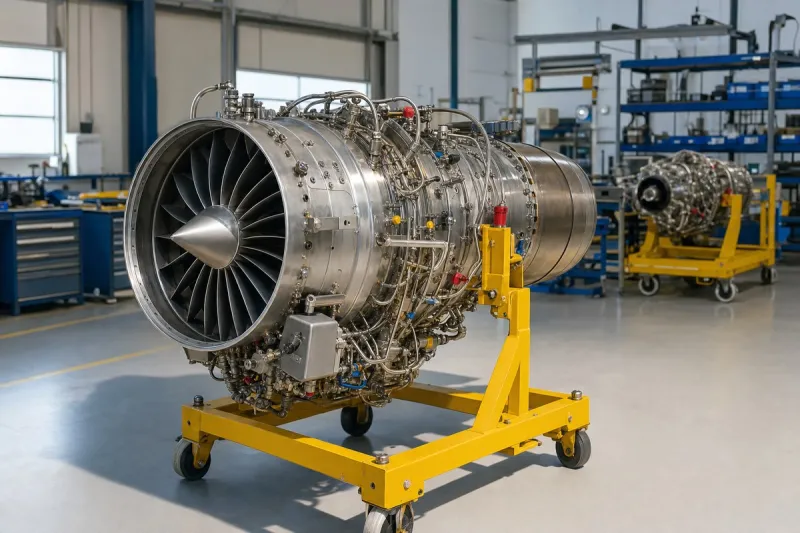
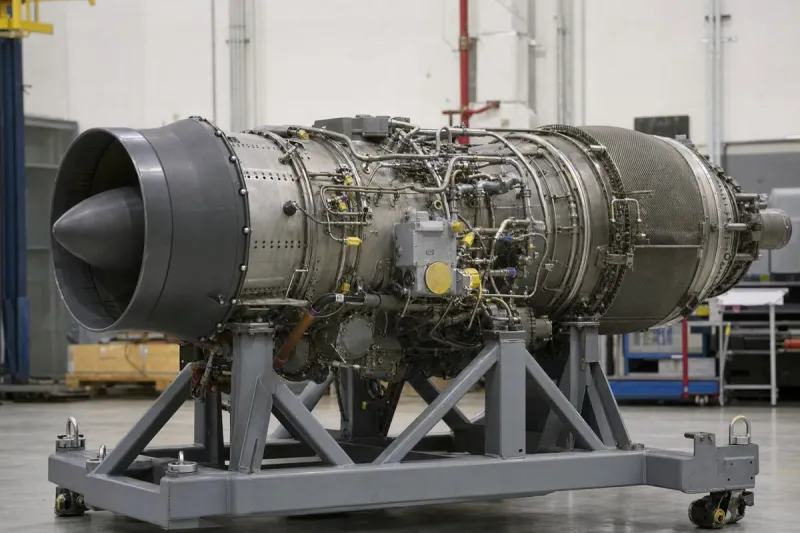
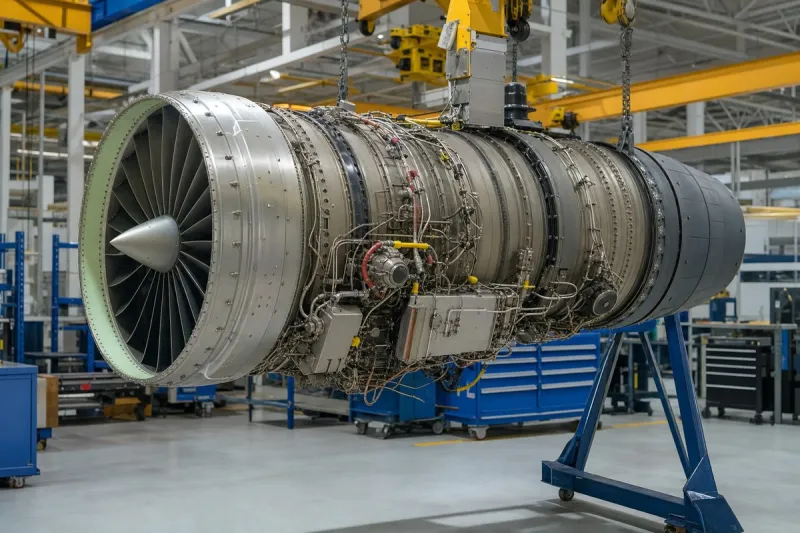
GE Aerospace is on track to spend more than $1 billion over five years to expand and modernise its worldwide engine maintenance, repair, and overhaul network, driven by demand for CFM LEAP engine servicing. The investment was first announced in July 2024 in anticipation of a large wave of LEAP engines reaching major service milestones. As of early 2026, nearly 4,000 aircraft powered by CFM LEAP engines were in service across 150 airlines, having logged more than 60 million flight hours, with a backlog of 10,000 additional LEAP engines on order at the time of the initial announcement, when more than 3,000 LEAP-powered aircraft were already flying.
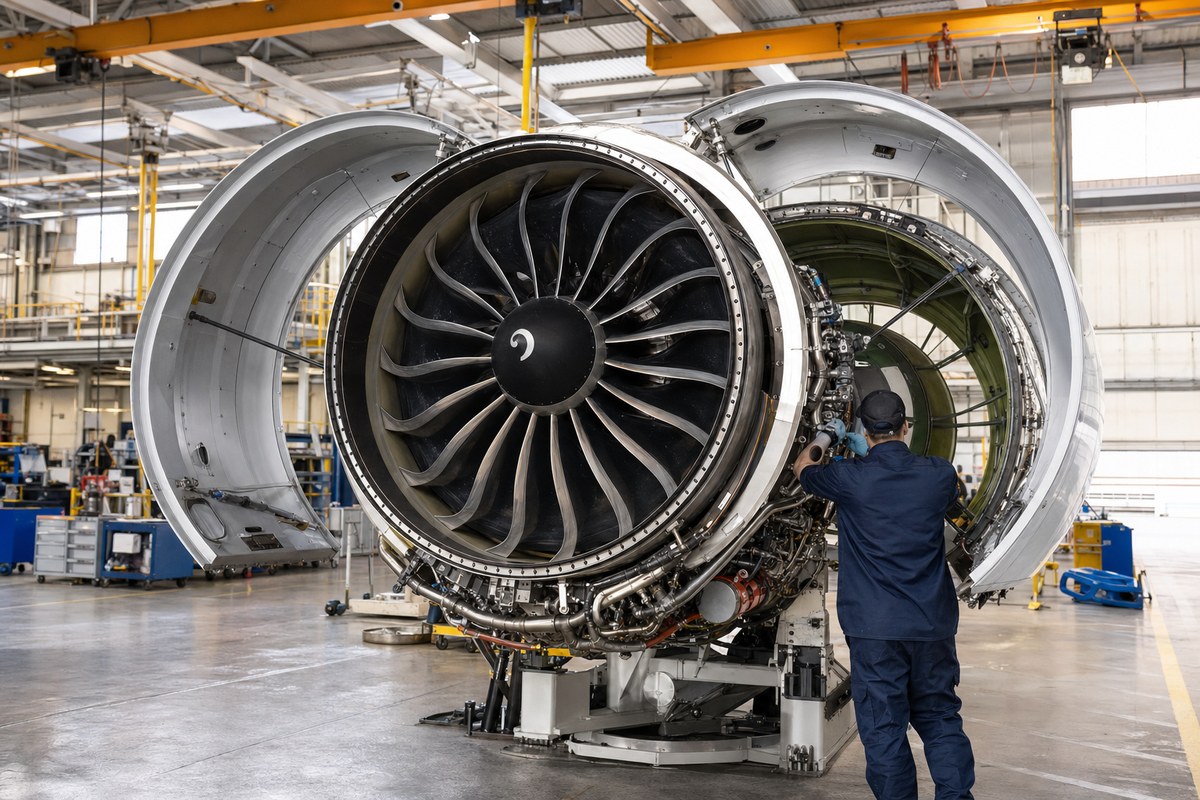
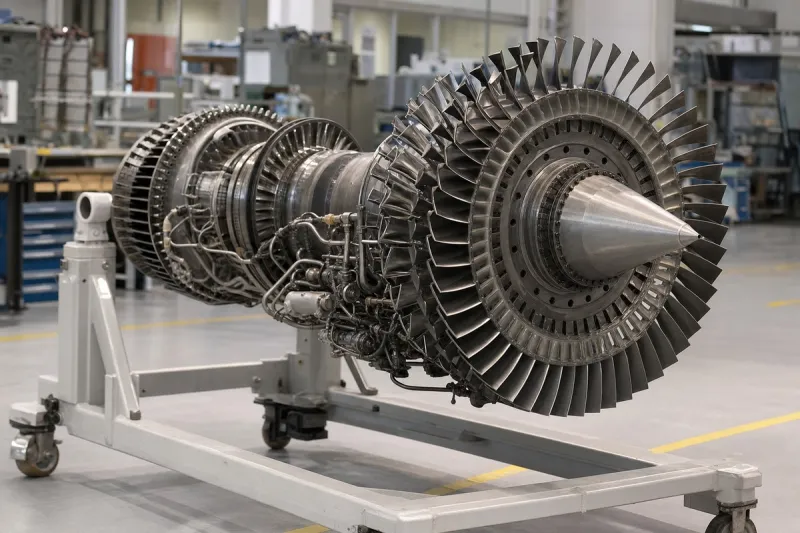
Russell Stokes, President and CEO of Commercial Engines and Services at GE Aerospace, said the investment is intended to increase capacity and efficiency to meet growing customer demand and keep fleets flying safely. The largest single commitment is $300 million for Singapore, supported by the Singapore Economic Development Board, covering work at Seletar Aerospace Park targeted for completion by 2029. That work includes a dedicated shop for CFM LEAP-1A and LEAP-1B high-pressure turbine modules, an Artificial Intelligence Center of Excellence for automated digital inspection, a chemical coatings facility, and a turbine shaft repair center.
In Europe, GE Aerospace announced $130 million in investment across the United Kingdom, Poland, and Hungary through 2026, including a $30 million contribution to the XEOS joint venture with Lufthansa Technik near Wrocław, Poland, where a 376,737-square-foot (35,000-square-meter) facility dedicated to LEAP engine sustainment is planned. In Brazil, GE Aerospace's Celma operation in Rio de Janeiro is opening a new facility in Três Rios in 2026, described by the company as the largest CFM LEAP overhaul facility in the world. The expansion will nearly double Celma's annual engine throughput, from approximately 600 to over 1,000 engines per year, and is expected to create around 400 jobs, bringing Celma's Rio de Janeiro workforce to nearly 4,000. The four existing Celma facilities in Rio de Janeiro will continue servicing older engine models including the CF6, CFM56, and GEnx.
CFM International, the joint venture between GE and Safran that manufactures the LEAP engine, is pairing the repair expansion with durability improvements. New LEAP-1A engines are now being shipped with a reverse bleed system designed to reduce carbon buildup and extend fuel nozzle life, and an improved high-pressure turbine blade has been introduced with the stated aim of matching the on-wing durability of the older CFM56 model. A similar blade upgrade for the CFM56 has already been delivered to more than 500 customers. CFM International head Gael Meheust, speaking at the Farnborough Airshow, said the company is accelerating development of high-yield repairs, working with suppliers to improve parts delivery, and updating engine and shop manuals to reduce unnecessary part replacement. Combined commitments from GE Aerospace and Safran now exceed $2 billion for LEAP maintenance capacity, with Safran pledging more than €1 billion (approximately $1.14 billion).
Industry impact & what to watch
The LEAP program is entering the phase every high-volume engine family eventually reaches: a large in-service fleet aging into its first heavy shop visits at once, faster than legacy overhaul networks were sized to handle. Nearly 4,000 LEAP-powered aircraft flying more than 60 million hours, against a 10,000-engine order backlog, is the kind of volume that turns module-level repair capacity into the binding constraint on airline availability rather than engine production itself.
The way GE Aerospace and Safran are responding shows how MRO economics work at this scale: consolidating high-pressure turbine module repair in single dedicated shops, such as Singapore's Seletar facility, cuts aircraft ground time compared with routing parts across multiple sites, while durability upgrades like the reverse bleed system and new turbine blade attack the problem from the other end by pushing out the interval between shop visits altogether. Combined GE and Safran commitments exceeding $2 billion signal that both partners see the capacity gap as structural rather than a temporary bottleneck.
That other engine makers are moving in parallel, Rolls-Royce with Trent 1000 XE durability upgrades and Pratt & Whitney with its Hot Section Plus upgrade for the GTF family, suggests the industry has settled on the same two-pronged answer to fleet-wide reliability pressure: build more overhaul capacity and extend time on wing simultaneously. Whether Singapore's 2029 completion date and the Três Rios ramp-up land on schedule will determine how quickly LEAP operators feel relief from current shop-visit queues.