UrbanV Names Five São Paulo Vertiport Sites, Taps ENGIE to Assess Grid Capacity Ahead of eVTOL Launch
Why It MattersThe move signals that grid and vertiport infrastructure, rather than aircraft certification, is emerging as the primary bottleneck shaping when commercial eVTOL networks can launch in Latin America.
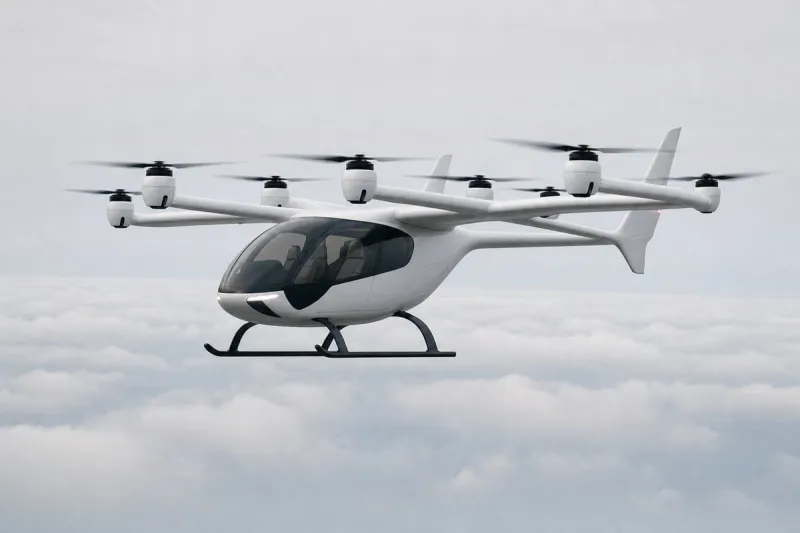
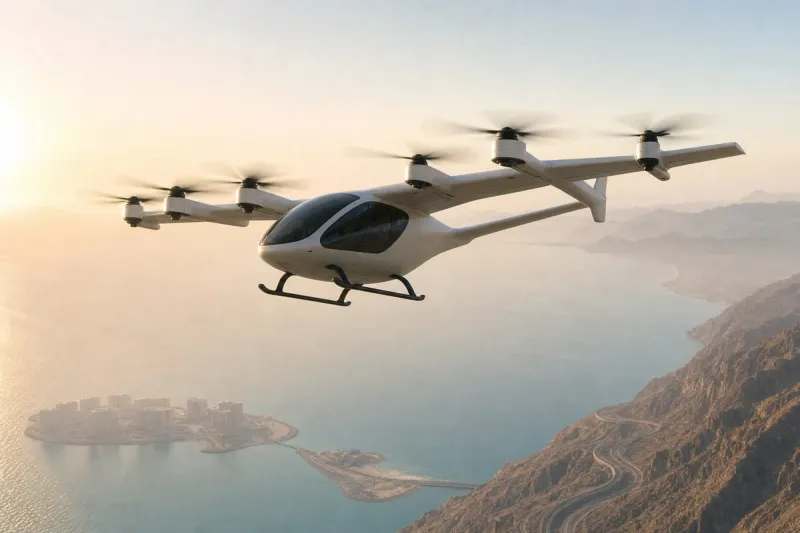
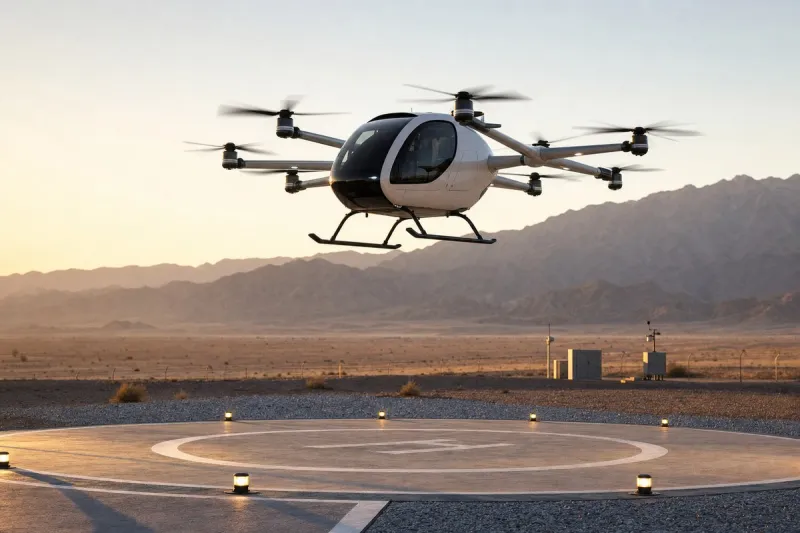
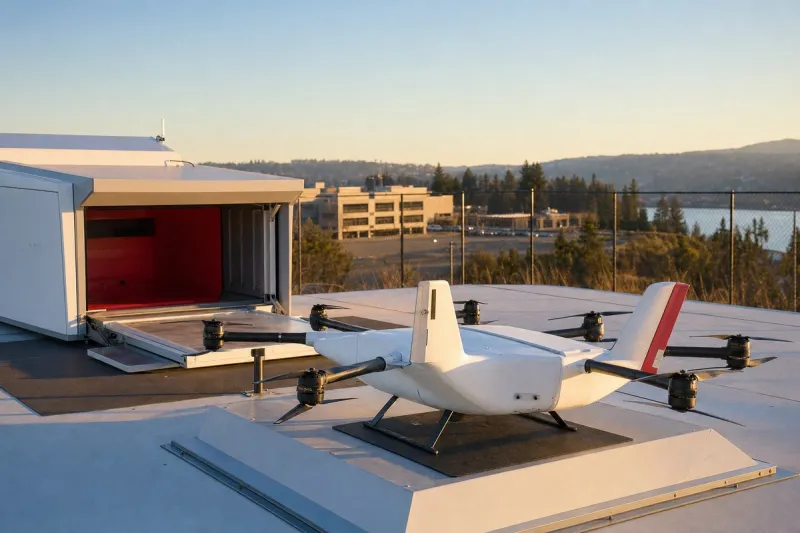
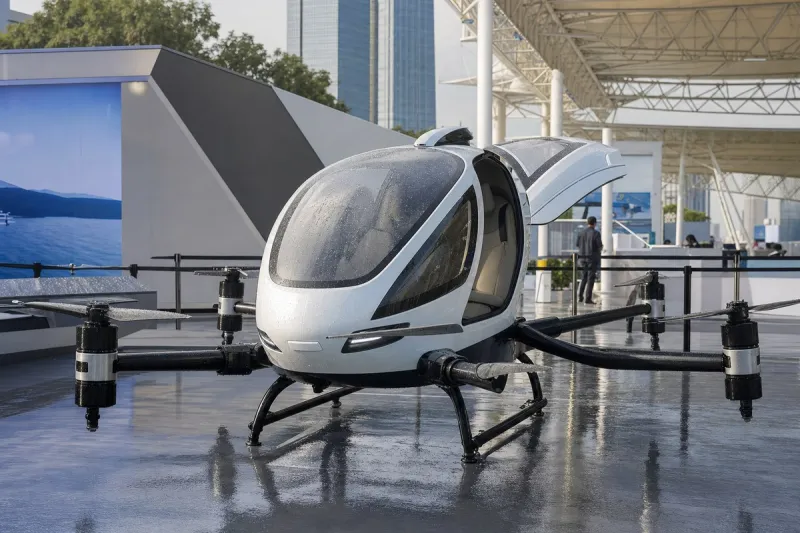
Italian vertiport developer UrbanV announced at Brazil's LABACE 2026 business aviation trade show that São Paulo has designated five specific sites for its first dedicated electric air-taxi ground network, and named ENGIE Soluções Energéticas as the network's technical energy partner, tasked with evaluating existing electrical infrastructure and grid connection capacity at each site and identifying solutions for eVTOL charging.
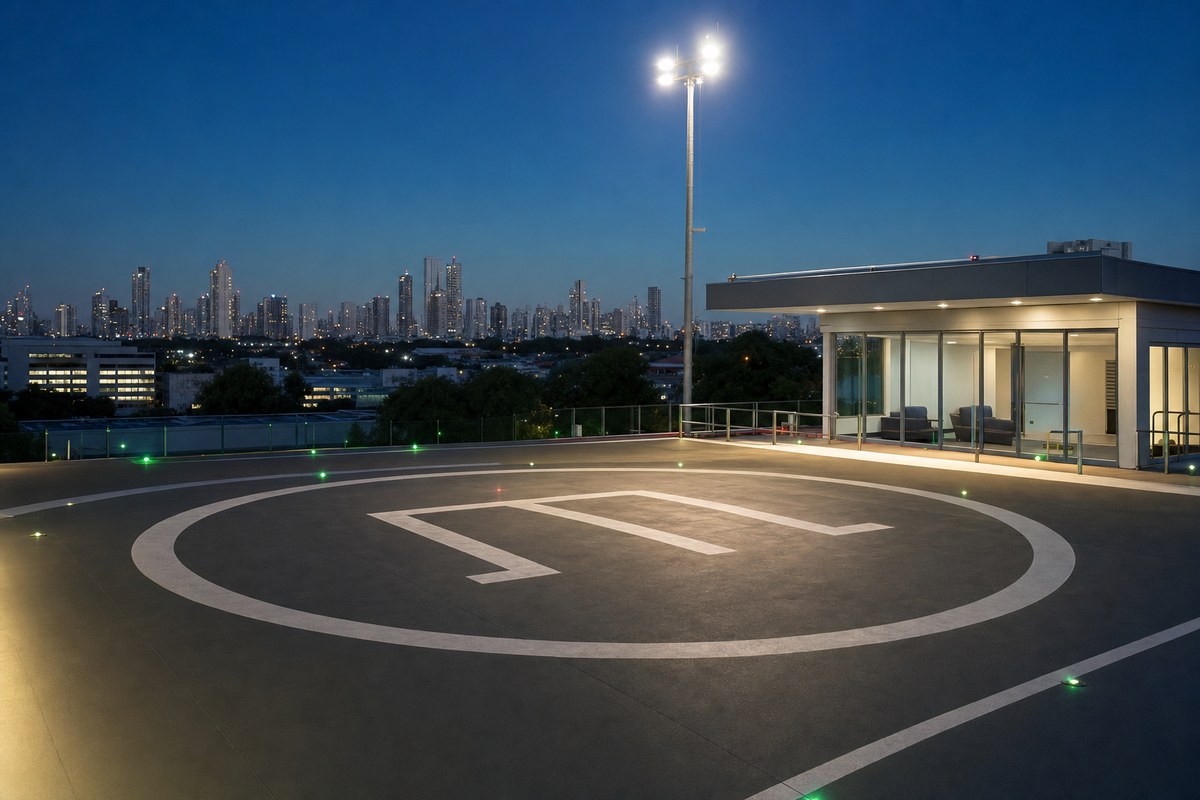
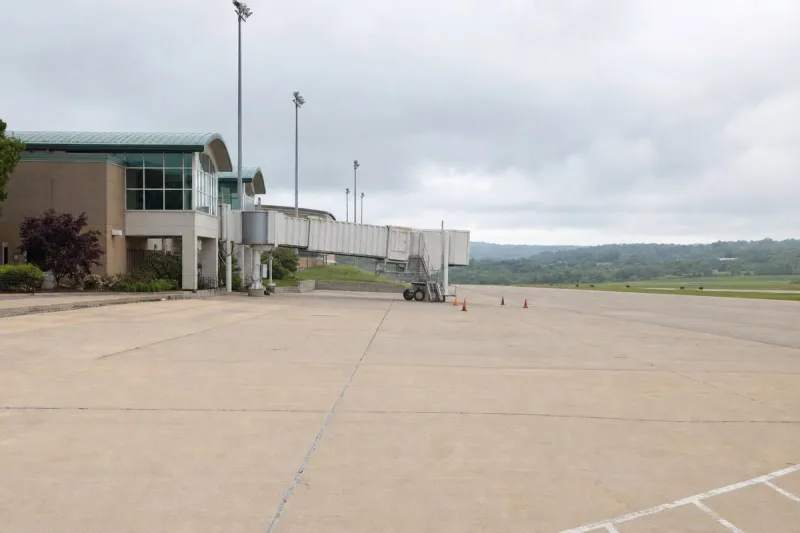
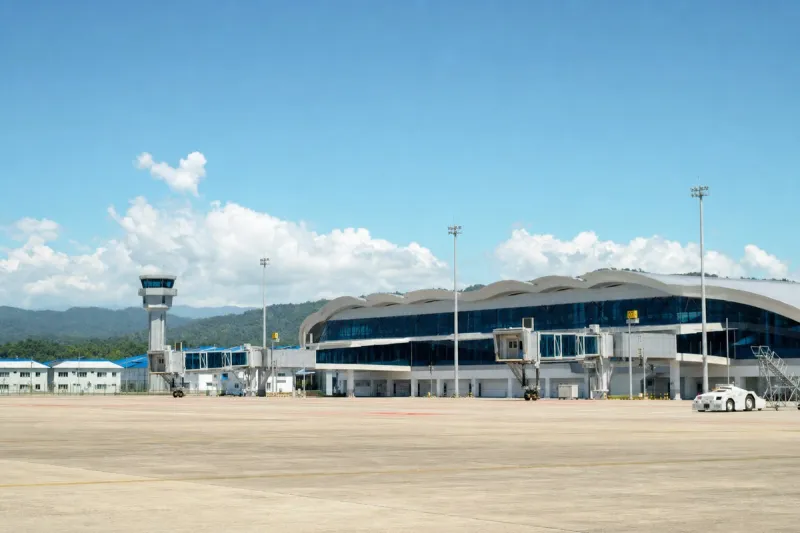
Campo de Marte Airport, operated in partnership with PAX Aeroportos and located roughly 11 km north of the city center, serves as the primary hub; it already hosts Brazil's ANAC advanced air mobility regulatory sandbox and has long been the operational center of São Paulo's helicopter ecosystem, with the UrbanV–PAX Aeroportos partnership formalized in early 2026. Two heliport sites — Alphaville Heliport (SJIW) and the World Trade Center Hotel Sheraton Heliport (SDWT) in the Faria Lima financial district — are run with Helicenter/Ponte Aérea, while the São Paulo Expo and the Santos Convention Center on the Atlantic coast are operated with French events group GL events. São Paulo Negócios, the city's investment promotion agency, will engage public stakeholders in support of the initiative.
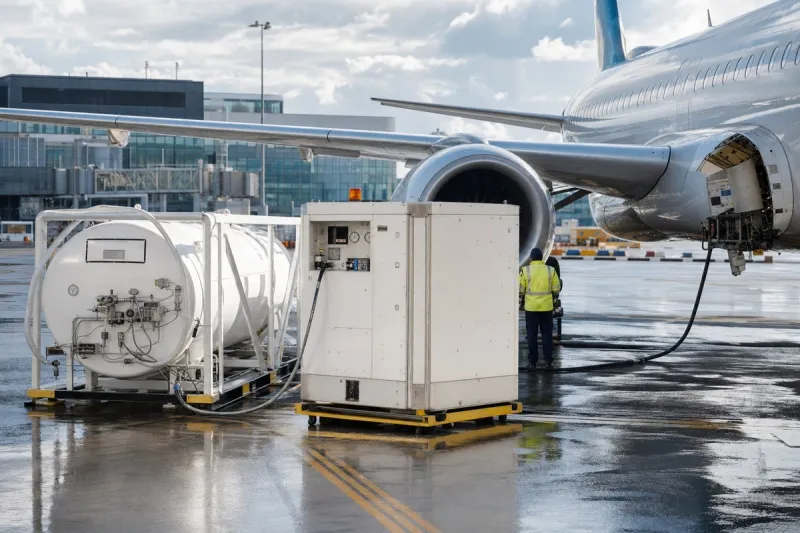
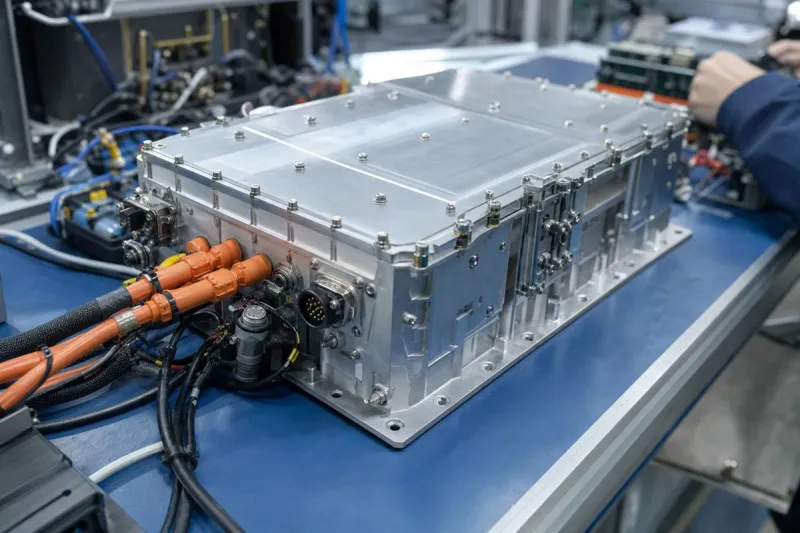
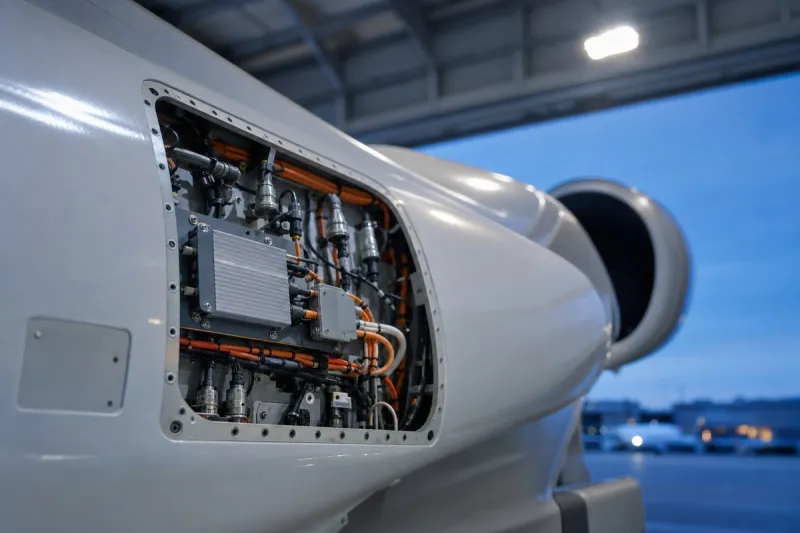
Electrical capacity is the central technical challenge across all five sites: research from the National Renewable Energy Laboratory, produced for the Federal Aviation Administration, found an average vertiport needs at least 1 megawatt of continuous charging capacity, with busy multi-pad facilities requiring 1.5 to 5 megawatts, and most eVTOL aircraft needing 300 kW to 1 MW DC fast chargers for 15-to-30-minute turnarounds. One architectural solution is on-site battery storage, charging buffers of 1 to 5 megawatt-hours slowly and discharging rapidly during turnarounds, an approach demonstrated by BETA Technologies' Vermont battery model pairing solar canopies with lithium-ion storage; in July 2026 Eve Air Mobility and Hitachi Energy signed a memorandum of understanding to evaluate grid capacity and power availability for vertiports using this approach.
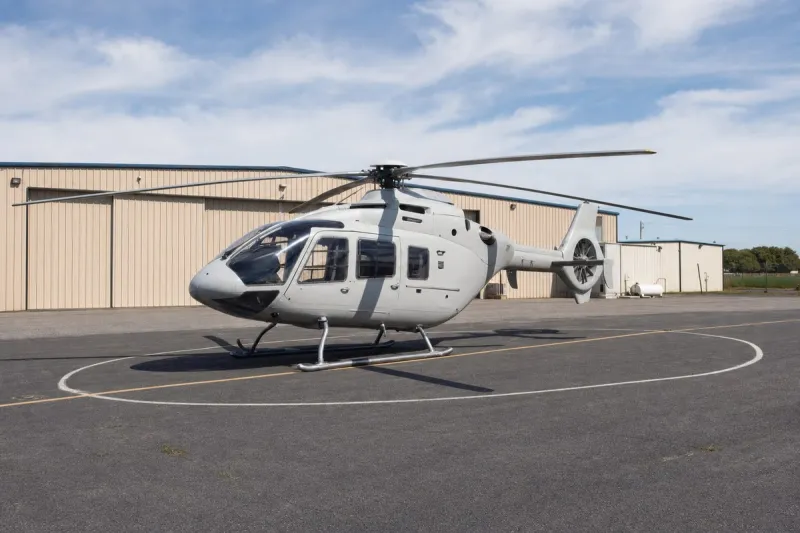
São Paulo holds the world's largest urban helicopter fleet, with approximately 410 registered aircraft and more than 260 active helipads across commercial towers, residential buildings and hospital rooftops, and Brazil logs approximately 2,200 helicopter flights per day, with São Paulo accounting for the majority. ANAC Director-General Tiago Faierstein said at LABACE that Brazil is pursuing a leadership position in the global eVTOL sector, though he also noted in June 2026 that Eve Air Mobility's certification timeline had slipped to 2028 from an earlier 2027 target, identifying power grid infrastructure, vertiport construction and air traffic management — not aircraft certification — as the binding constraints on commercial launch. "The issue is the ecosystem," Faierstein said. UrbanV Chairman Ivan Bassato said: "São Paulo combines a deeply rooted culture of urban aviation with an exceptional concentration of strategically located infrastructure. Together with PAX Aeroportos, we are building the foundations for future air mobility networks in Brazil, starting from airports that already play a central role in urban aviation."