VIP Airliner Completions See Rising Demand for Widebody Platforms, Industry Analysis Finds
Why It MattersAs VIP completions shift toward ultra-large widebody cabins, weight mitigation and certification compliance become the binding constraints on how much luxury a completion center can deliver without sacrificing range.
What happened
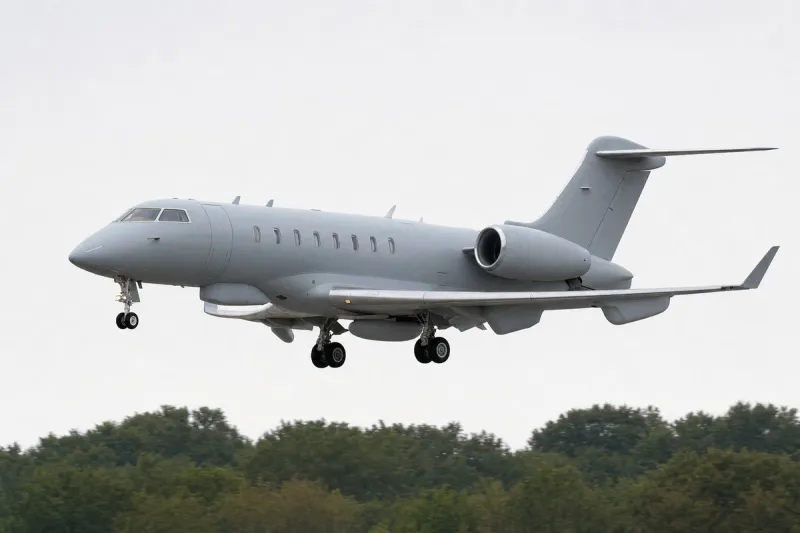
A July 2026 completion industry analysis by Aviation International News found a pronounced shift toward next-generation widebody platforms, with completion centers managing what the analysis describes as unprecedented demand for VIP airliner installations. Platforms named in the analysis include the Boeing Business Jet (BBJ) and Airbus Corporate Jet (ACJ) series, sought by heads of state, corporate entities, and ultra-high-net-worth individuals for their large interior volume, transoceanic range, and spatial versatility.

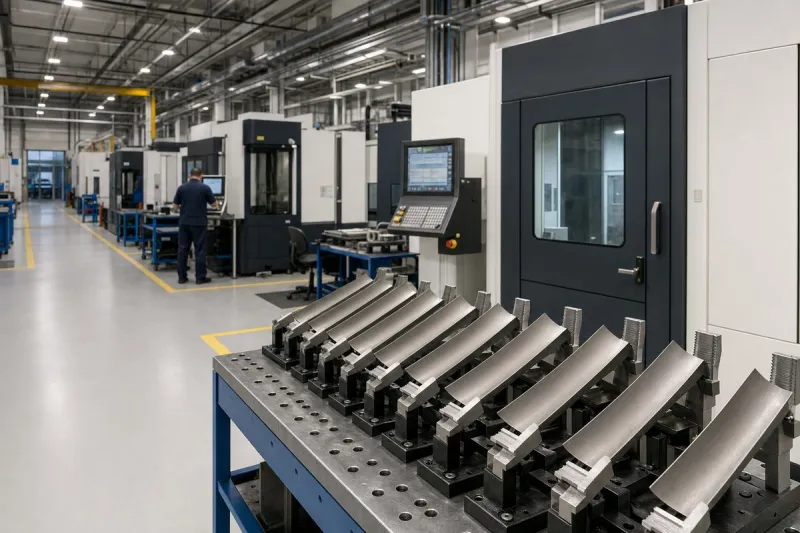
The analysis describes cabins incorporating dedicated master staterooms, full-service galleys, dining areas, and conference suites, and states that outfitting these airframes requires a shift from traditional business jet styling to complex structural design engineering. Heavy interior monuments cited include full-enclosure master suites, stone-clad lavatories, and soundproof conference bulkheads, which the analysis says require advanced weight mitigation strategies — including replacing traditional cabinetry cores with lightweight composite honeycomb structures.
The analysis also states that every custom partition, seating group, and bulkhead in a VIP airliner must comply with Supplemental Type Certificate (STC) guidelines, emergency evacuation path requirements, and flammability certifications, and that structural integration must accommodate airframe flex and acoustic dampening to keep noise levels low on long-haul flights.
Industry impact & what to watch
This points to a broader pattern in VIP completions: as cabin ambitions grow toward residential-style environments, the engineering discipline required shifts from interior styling toward structural design, weight budgeting, and certification management. Managing structural payload and center-of-gravity parameters is described as one of the most critical challenges in ultra-large cabin completions, which suggests that the limiting factor on luxury is no longer interior imagination but airframe physics.
In this segment, completion centers work within a fixed envelope of weight, range, and certification rules, so lightweight composite honeycomb structures function as a way to buy back the payload that heavy monuments like stone-clad lavatories or soundproof bulkheads consume. Every added feature has to clear STC guidelines, evacuation path requirements, and flammability certifications before it can be installed, which sets the pace of how quickly a completion can move from design to delivery.
Whether this demand shift translates into longer completion backlogs or new engineering approaches at individual centers is not addressed here, and would depend on capacity data the analysis does not provide.