North America Aircraft Fuel-Cell Power Management Systems Market Projected to Expand at 17.2% CAGR Through 2034, United States Leading
Why It MattersConcentration among a handful of suppliers alongside bottlenecks in aerospace-qualified semiconductors and certification engineering means near-term growth in this segment depends more on component and approval capacity than on demand.
What happened
A market study covering the North America aircraft fuel-cell power management systems market projects growth at a compound annual growth rate of 17.2% from 2025 to 2034, with the United States identified as the largest market in 2025 and the fastest-growing through the forecast period. Canada ranked second, representing approximately 19% of the regional total, with the study citing its turboprop ecosystem, aerospace manufacturing base and clean-aviation research programs as supporting factors. The study period runs from 2021 to 2034, using 2025 as the base year, with market value measured in USD millions.
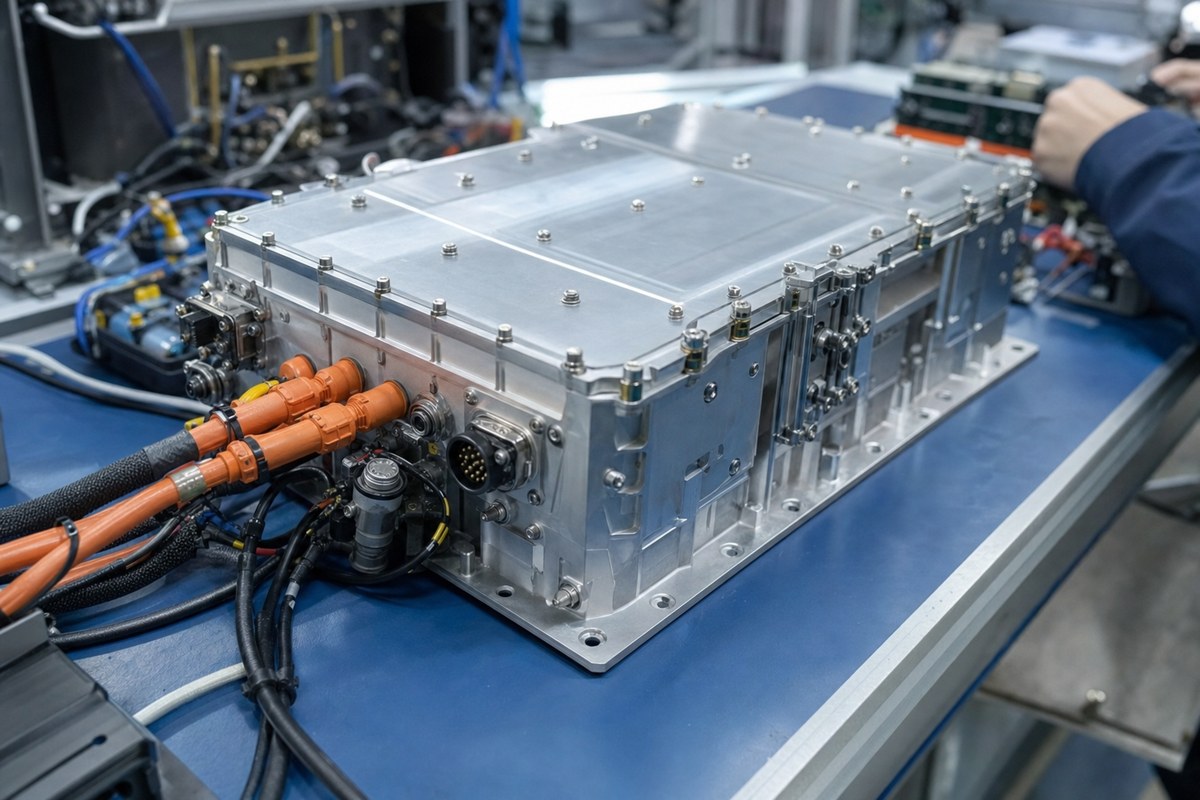
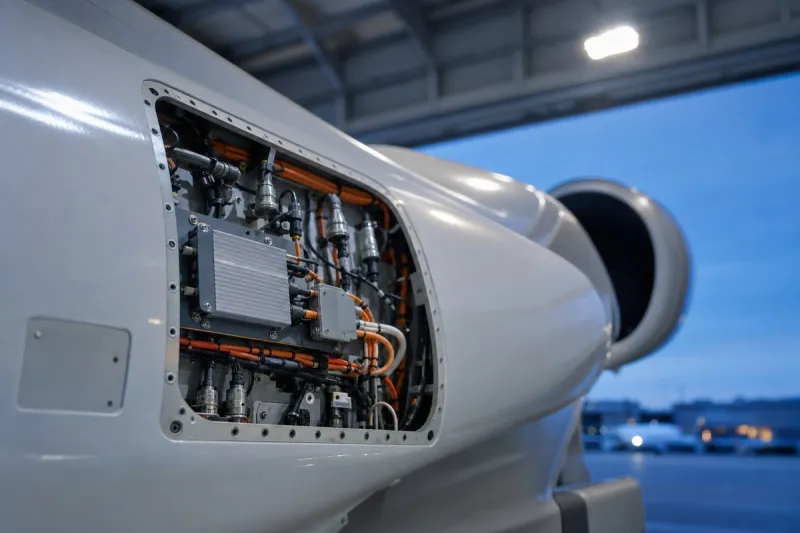
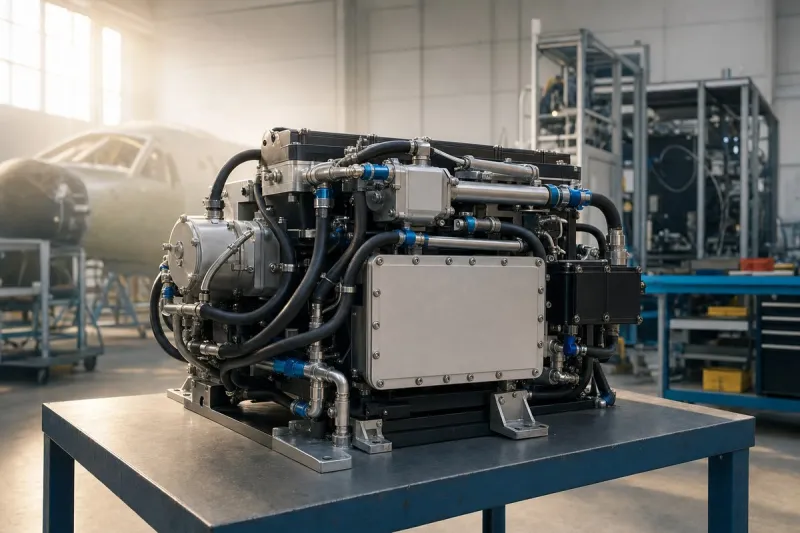
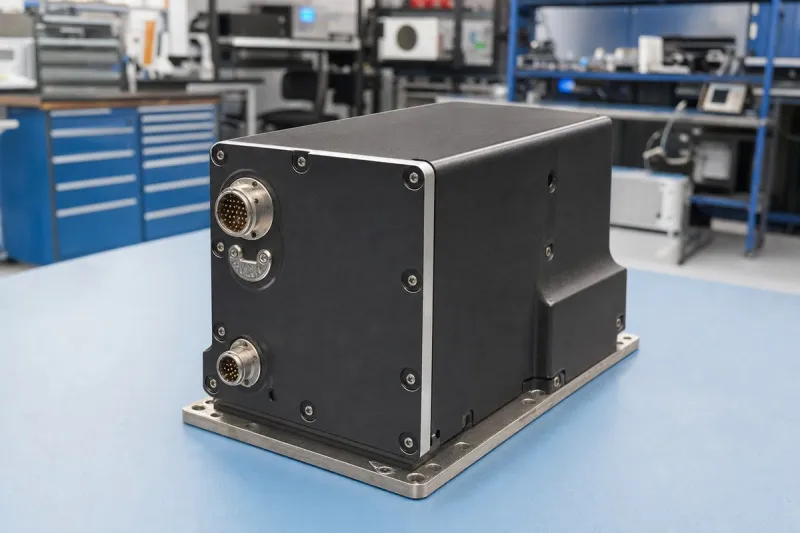
The market scope includes power conditioning units, DC/DC converters, inverters, power distribution units, energy-management controllers, voltage regulation systems, battery-fuel-cell hybrid controllers, thermal-management interfaces, protection systems, sensors, communication interfaces and digital control software used in aircraft fuel-cell powertrains. By product type, Fuel Cell Power Conditioning Systems held a 32% share in 2025, followed by DC/DC Converters at 21%. By application, Primary Propulsion Power held the largest share at 36%, with Hybrid-Electric Propulsion ranking second. The top five players collectively account for approximately 59% of the market, with named companies including Honeywell International Inc., Crane Aerospace & Electronics, Collins Aerospace, GE Aerospace, ZeroAvia, Eaton, Parker Hannifin and Moog.
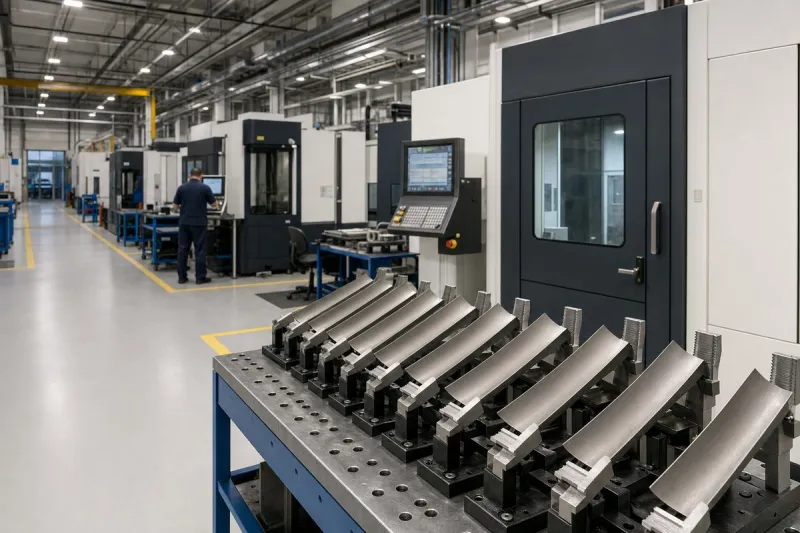
The study lists growth drivers including aviation decarbonization targets, hydrogen-electric propulsion development programs, rising onboard electrical loads, demand for higher power density and expansion of distributed propulsion architectures. It cites automation being introduced into converter assembly, electronic testing, thermal-interface application, calibration and end-of-line validation, with potential reductions of approximately 20-40% in repetitive manual intervention. ZeroAvia's December 2025 financing round is cited as an example of the capital required to industrialize hydrogen power and propulsion systems for aviation and defense applications.
Industry impact & what to watch
This kind of forecast sits at the intersection of two unresolved questions in aerospace electrification: whether hydrogen-electric propulsion programs reach production volumes on the timelines their backers assume, and whether the power-electronics supply base can scale alongside them. A 59% share held by the top five suppliers shows how concentrated this segment already is even before demand materializes at scale, which matters because concentrated supply tends to set the pace for the whole value chain rather than the reverse.
The study's own risk list is the more instructive part: long certification cycles, high system cost, uncertain hydrogen infrastructure, limited early aircraft production volumes and competition from batteries, hybrid turbines and sustainable aviation fuel. Capacity constraints in aerospace-qualified power semiconductors, high-voltage components, thermal-management systems, specialized sensors and certification engineering suggest that component and approval throughput, not airframe demand, could be the binding limit on how fast this market actually expands.
What would sharpen this picture is evidence that ZeroAvia or another named supplier converts financing into qualified, flying hardware rather than test-bench demonstrations, since the study treats the December 2025 round only as an example of capital intensity, not as proof of a production pathway. Certification milestones from regulators, and any shift in the 59% concentration figure as new entrants qualify parts, are the markers that would show whether this segment is industrializing or still assembling the pieces to do so.