Honeywell Urges USAF to Issue Early Engine Contract as MMA Program Takes Shape
Why It MattersThe push shows how defense engine suppliers depend on early government purchase orders to fund supplier capacity ahead of production ramp-ups on fast-timeline programs.
What happened
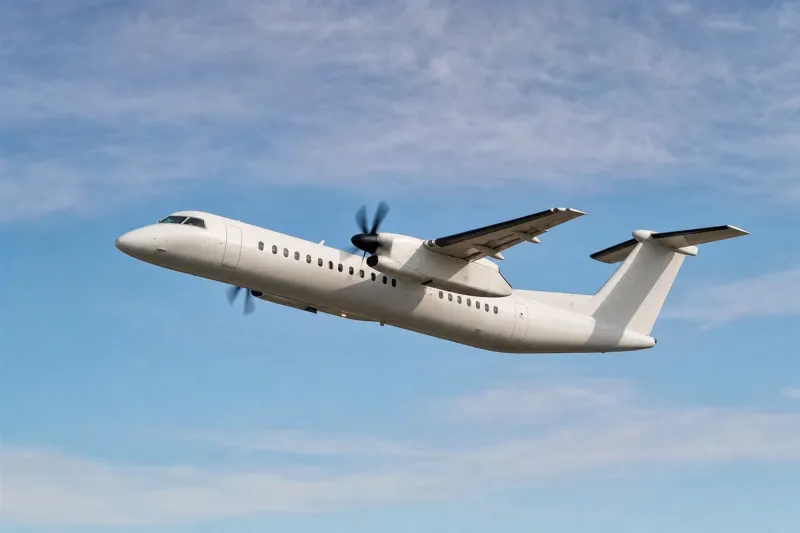
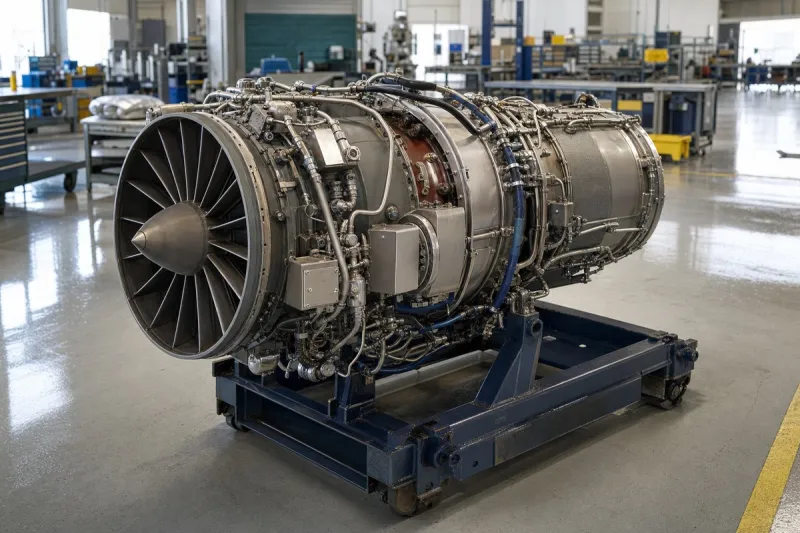
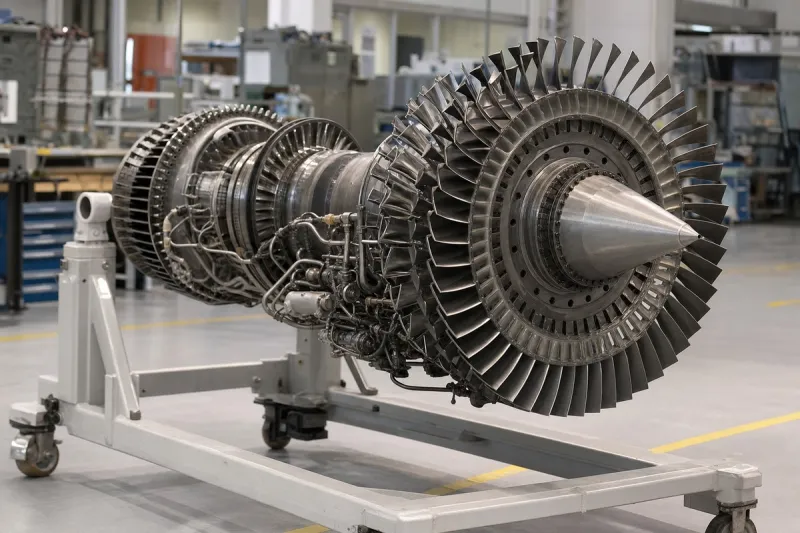
Honeywell Aerospace is pressing the U.S. Air Force to issue an early contract for long-lead engine procurement under its Massed Modular Aircraft (MMA) program, arguing that funding delays will slow the service's ability to field the MQ-9 replacement on its stated timeline. Matt Milas, Honeywell's president of defense and space, said the Air Force should move now to place purchase orders for the TPE331 turboprop engine, which powers the MQ-9 and is common to MMA proposals submitted so far.
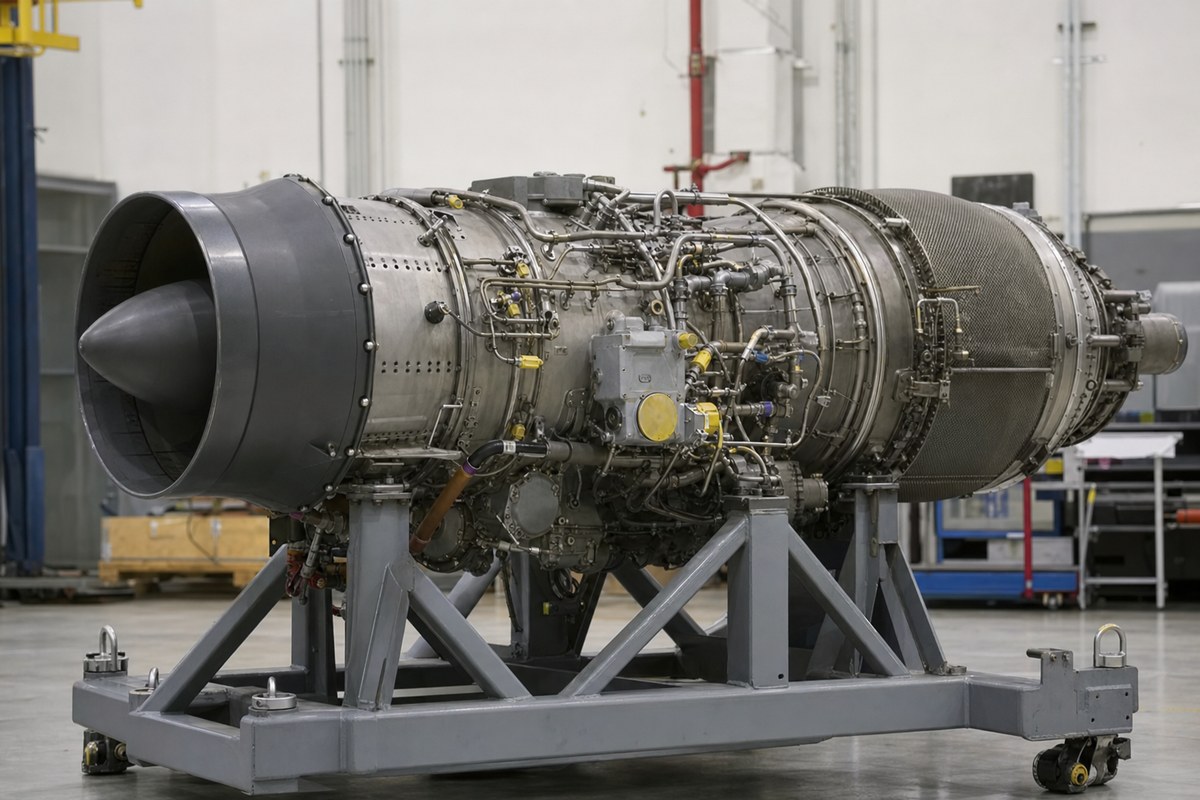
Speaking at the Air and Space Forces Association's Air, Space & Cyber Conference, Milas said early procurement funding would let Honeywell flow money to suppliers so they could hire workers, acquire capital equipment, and build production capacity. "What we need from the Air Force is some purchase orders for long-lead material, so that we can take those purchase orders, take that funding and flow it to our suppliers," Milas said. He added that providing engines as government-furnished equipment is consistent with Air Force procurement practices and could help reduce costs while accelerating supply-chain investment.
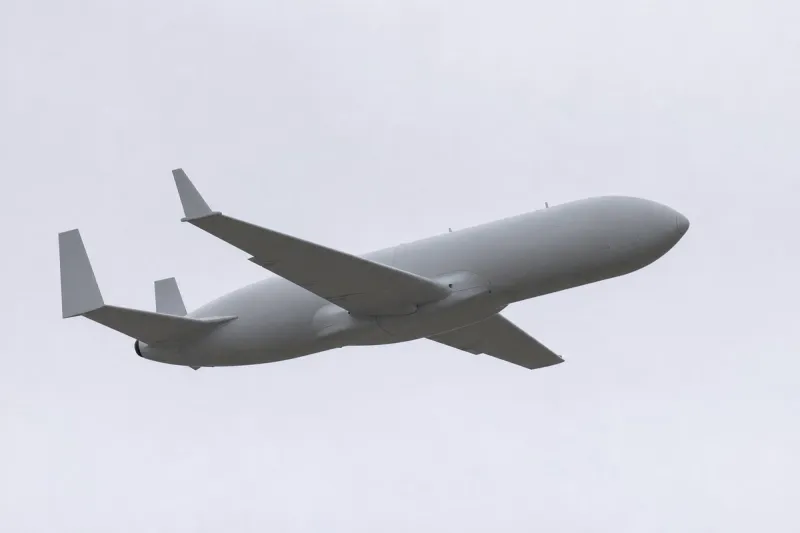
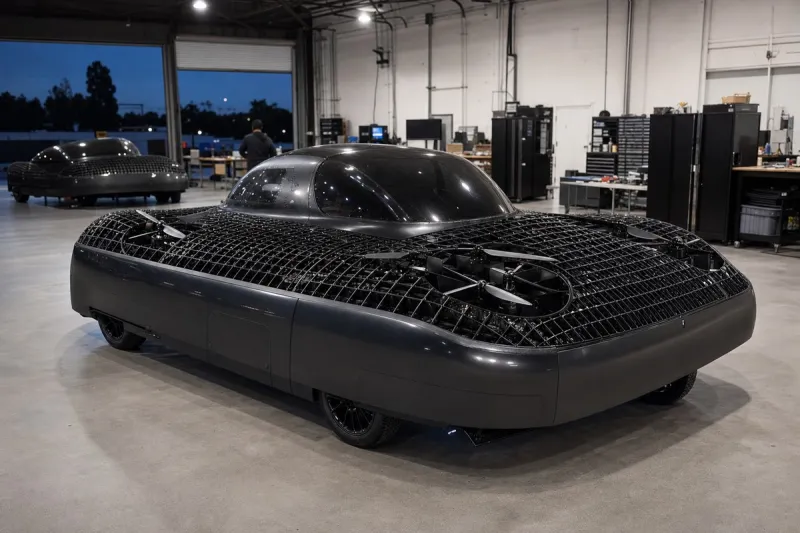
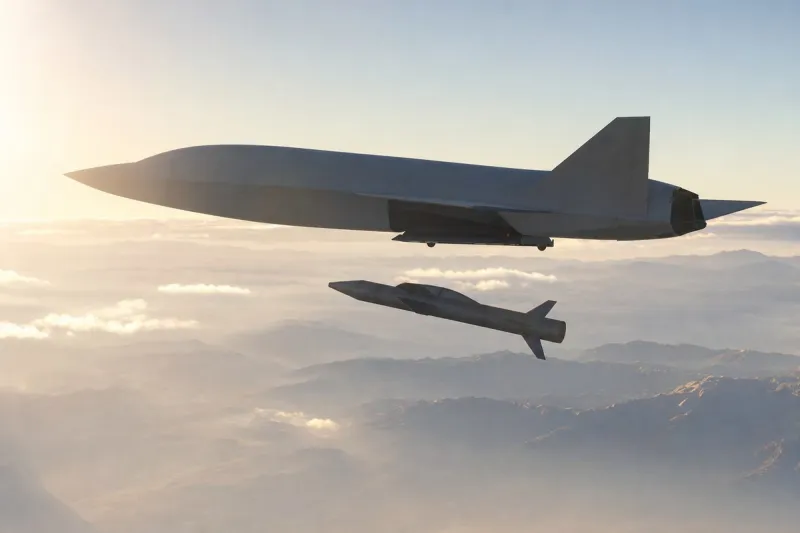
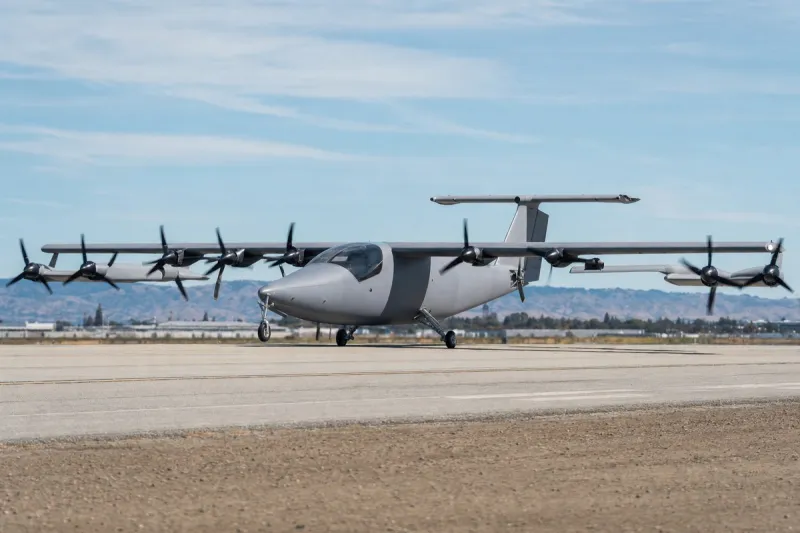
The Air Force this week announced a goal of fielding 100 MMAs by 2029 and 500 by 2032. General Atomics Aeronautical Systems Inc. has unveiled an MMA proposal called Wildfire, an evolution of the MQ-9, and Swarm Aero on September 14 revealed its Gamera design; both aircraft are proposed to use the TPE331. Milas noted that the TPE331 is comparable in size and scale to auxiliary power units that Honeywell produces in the thousands annually for commercial and defense customers, giving the company existing factory capacity. He also disclosed that Honeywell and the Air Force Research Laboratory are jointly developing an upgraded variant called the 1500 series, which would increase power output from approximately 1,000 shaft horsepower to 1,500 shaft horsepower, providing greater range and capability without requiring major changes to the engine or airframe.
Industry impact & what to watch
This is a familiar pattern in defense procurement: a supplier with an incumbent engine position asks the customer to front long-lead funding before a program of record is finalized, so that capacity exists when volume orders arrive. Engine production for military platforms depends on components with long manufacturing cycles, and suppliers typically cannot commit capital equipment or hire against a program until purchase orders or government-furnished-equipment funding materializes, which is why Milas is asking the Air Force to act ahead of the broader MMA award.
The fact that both disclosed MMA proposals, General Atomics' Wildfire and Swarm Aero's Gamera, use the TPE331 gives Honeywell a common-engine position across competing airframes, which is unusual leverage in a competitive program and explains why the company is pushing for an early, program-agnostic engine contract rather than waiting for a single airframe winner. The parallel development of the 1500 series variant with the Air Force Research Laboratory suggests Honeywell is positioning the engine family to scale with the program's stated ambition of 500 aircraft by 2032, rather than staying fixed at current MQ-9-era power levels.
What happens next depends on whether the Air Force issues the long-lead purchase orders Milas described, and on how the MMA competition resolves between the Wildfire and Gamera proposals given both rely on the same engine supplier.