NASA Test Pilot Mike Lippert Completes First Ground Engine Run in X-59 Cockpit
Why It MattersThe milestone advances a NASA-led effort to define new overland supersonic noise standards that could shape future commercial supersonic aircraft regulation.
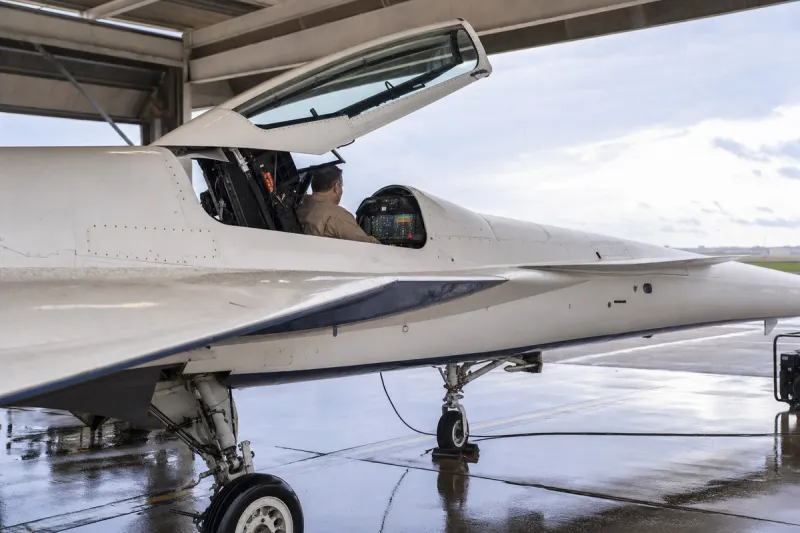
NASA test pilot Mike Lippert powered up the X-59 cockpit for the first time this summer, running the aircraft's engines on the ground as part of his preparation to fly the experimental quiet supersonic aircraft. Lippert is the third pilot supporting NASA's Quesst mission, joining established X-59 pilots Nils Larson and Jim "Clue" Less, who guided him through the test; Larson monitored his coordination with the control room while Less provided coaching, and engineer feedback turned the engine startup sequence into a detailed training exercise focused on the aircraft's systems and test pace.
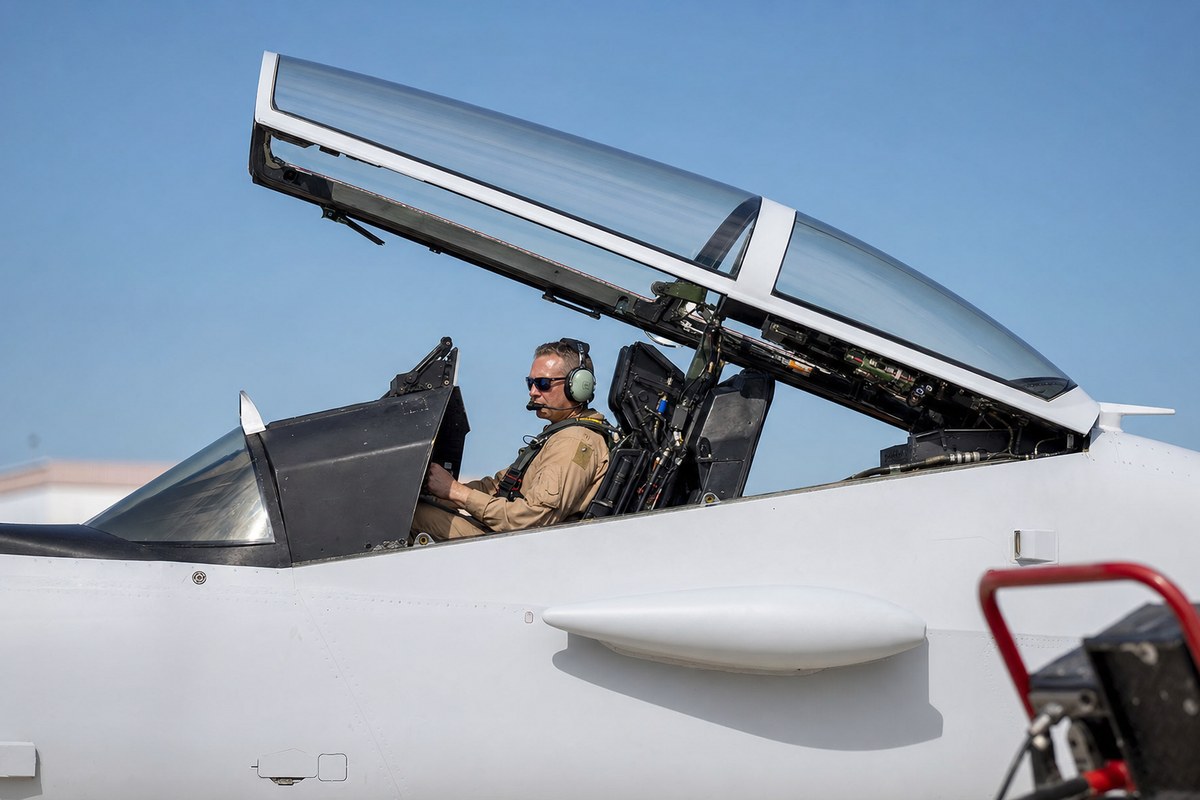
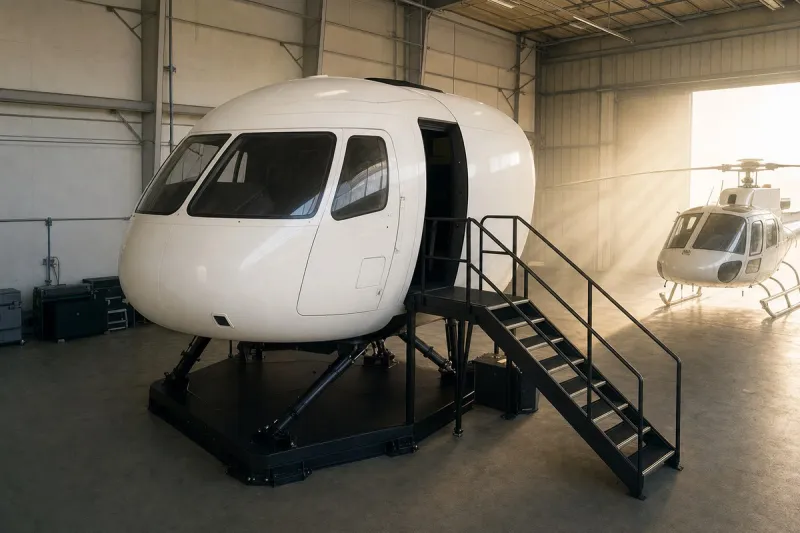
The exercise also introduced Lippert to the X-59's maintenance crew and gave him direct experience of how the cockpit and control room interact during critical operations, building on extensive time he has logged in the X-59's high-fidelity simulator for training, familiarization, and mission rehearsal. "Getting into the cockpit of the X-59 felt very comfortable," Lippert said. "The whole team has done a tremendous job of making sure I am trained and prepared."
The X-59 is designed to produce a quiet sonic "thump" instead of a traditional sonic boom when flying faster than the speed of sound, and Quesst will fly it over U.S. communities to gather public feedback on the sounds it produces before sharing those responses with national and international regulators to inform new noise thresholds for supersonic commercial flight over land. The aircraft is set to advance toward acoustic validation flight tests in the coming months, with Quesst supported through NASA's Aeronautics Research Mission Directorate.