Harry Reid International Airport Opens Dedicated West-Side Customs Facility for General Aviation and Cargo
Why It MattersDedicated general-aviation customs processing shows large hub airports separating business and cargo traffic from commercial flows to manage capacity strain during peak demand periods.
What happened
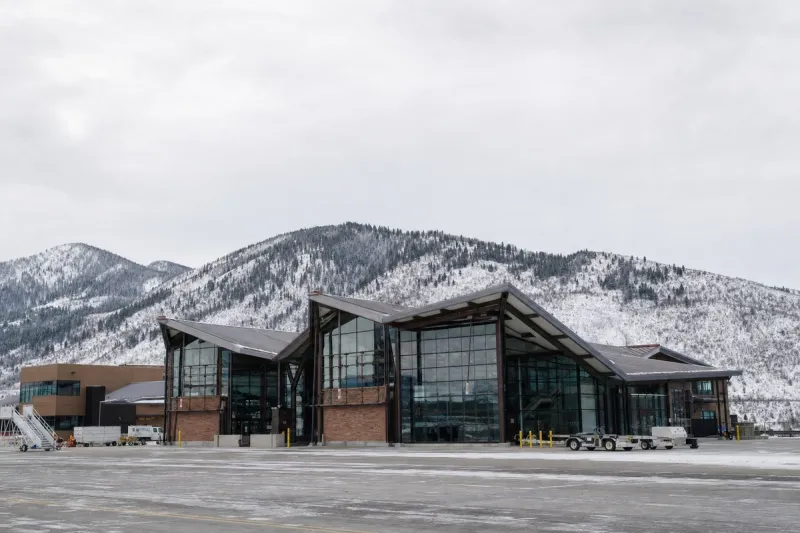
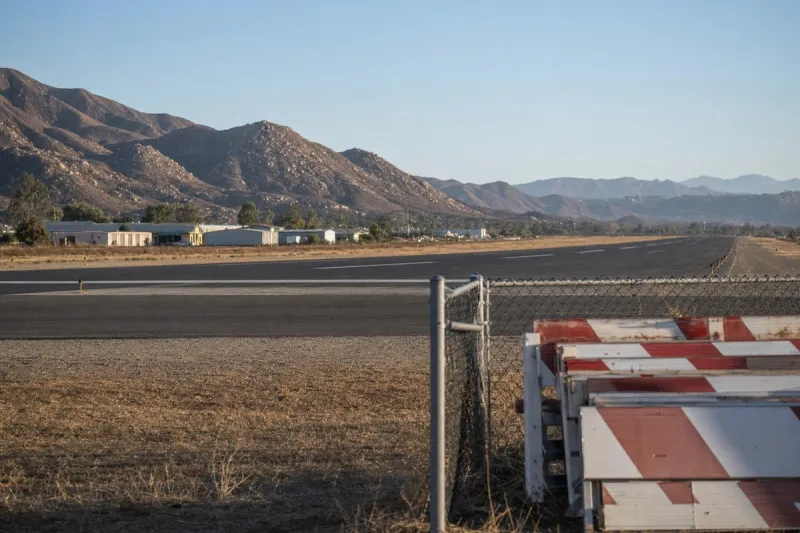
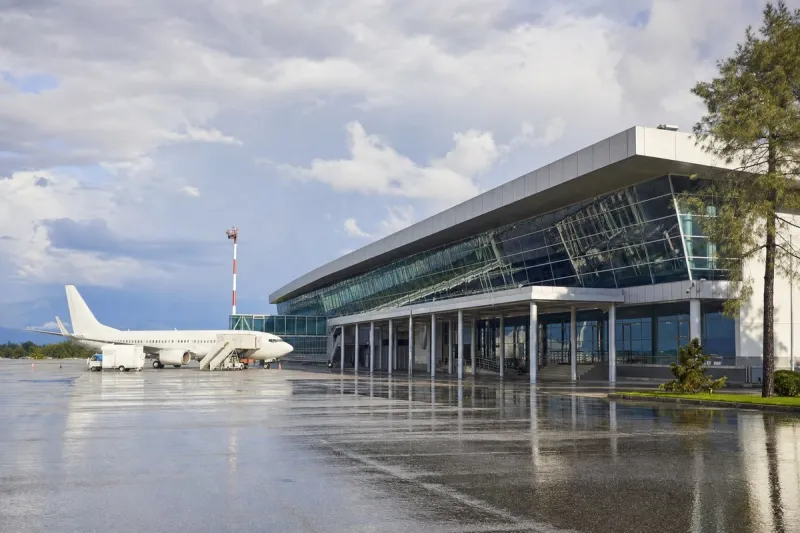
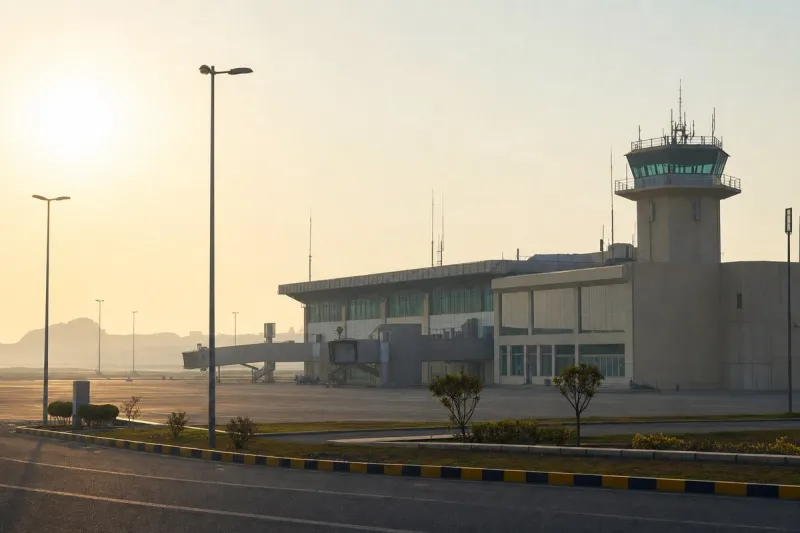
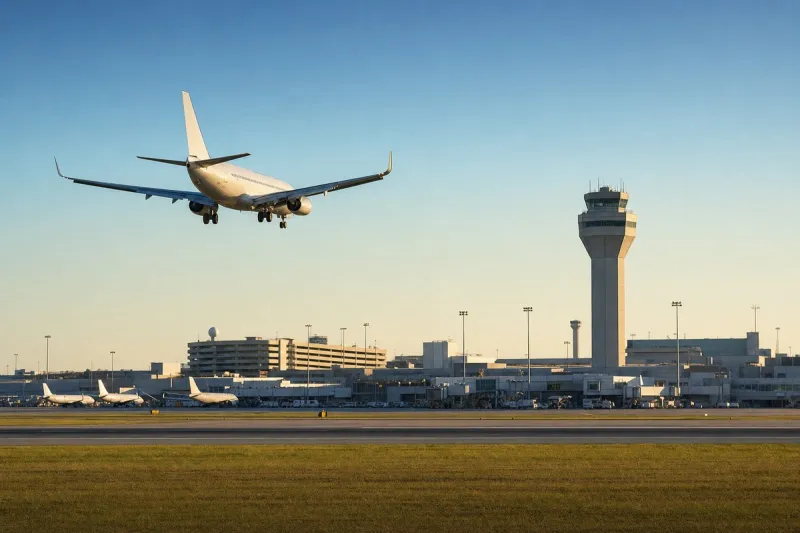
Harry Reid International Airport in Las Vegas has opened a new U.S. Customs and Border Protection facility on the west side of the airfield. Airport officials said the project took a full decade to complete.
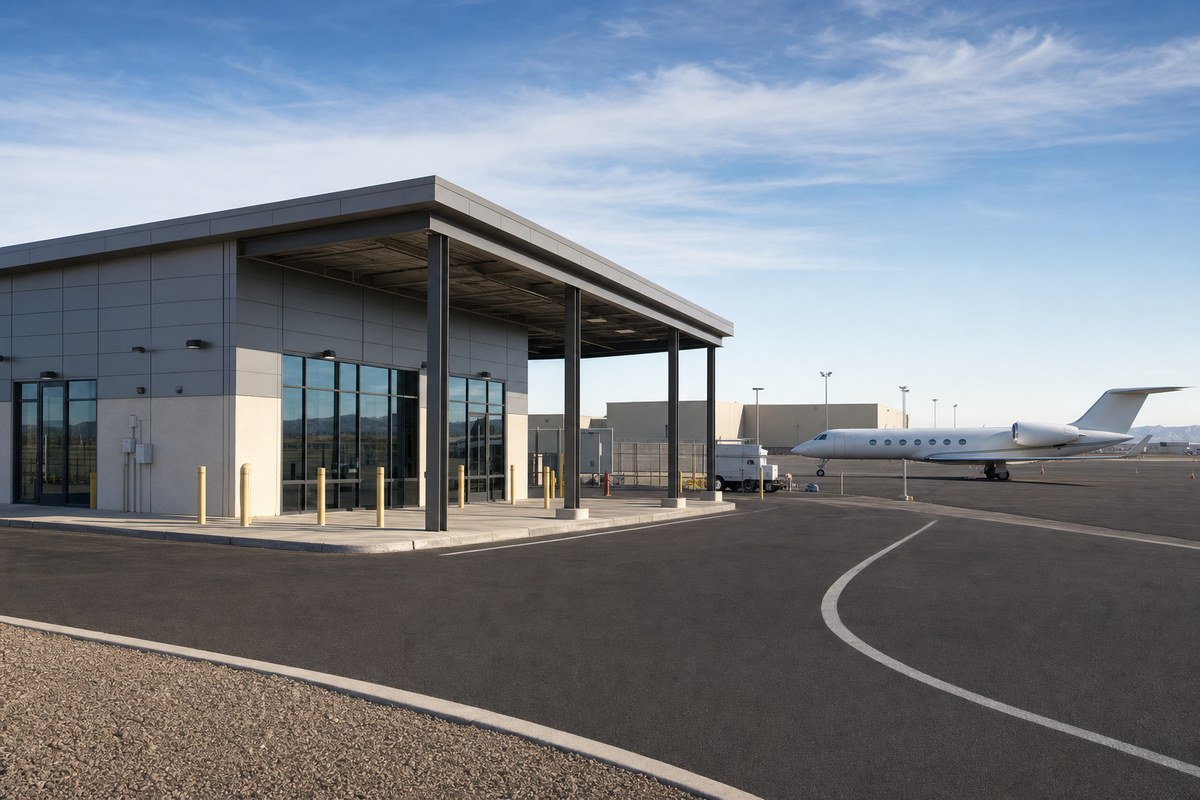
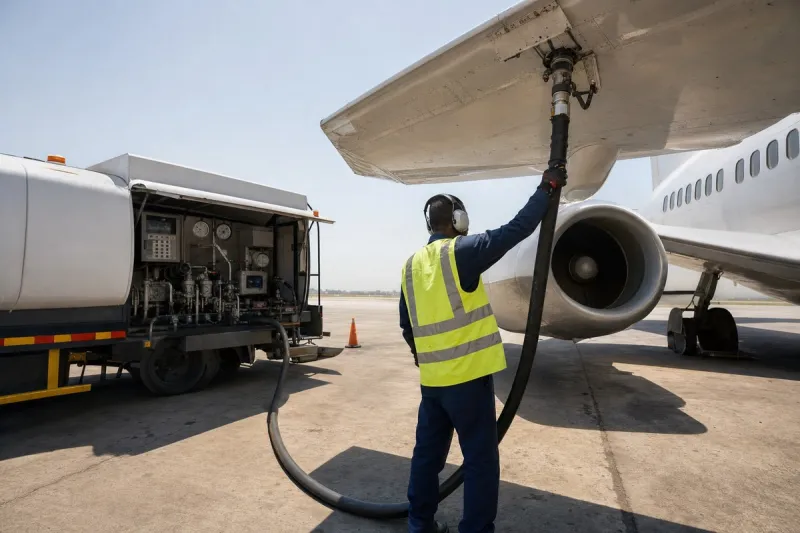
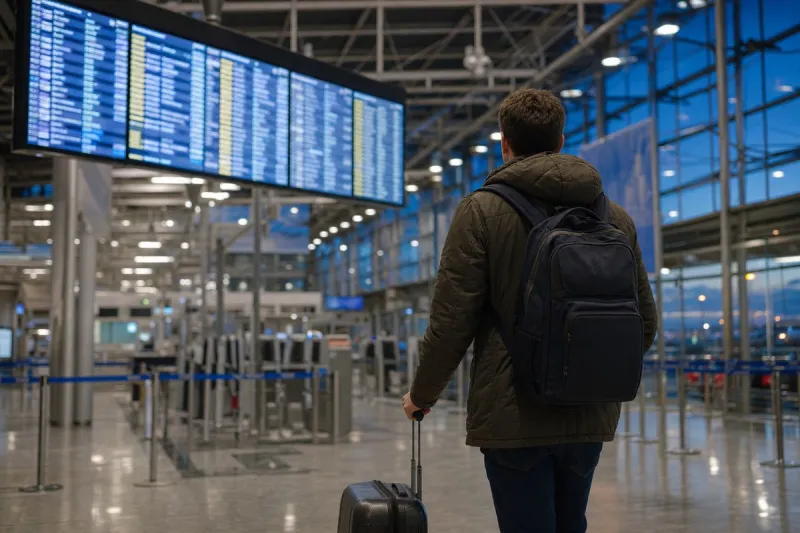
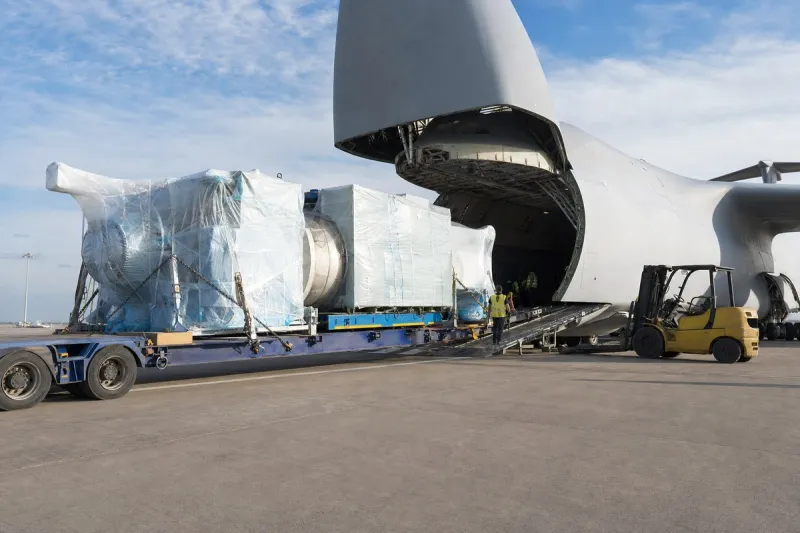
The facility is separate from the passenger terminals and is designed specifically to handle international general aviation and cargo operations rather than commercial airline traffic. Airport officials said it will serve as a first point of contact for international arrivals and is expected to reduce congestion at the main terminals, improve the traveler experience, and enhance operational efficiency.
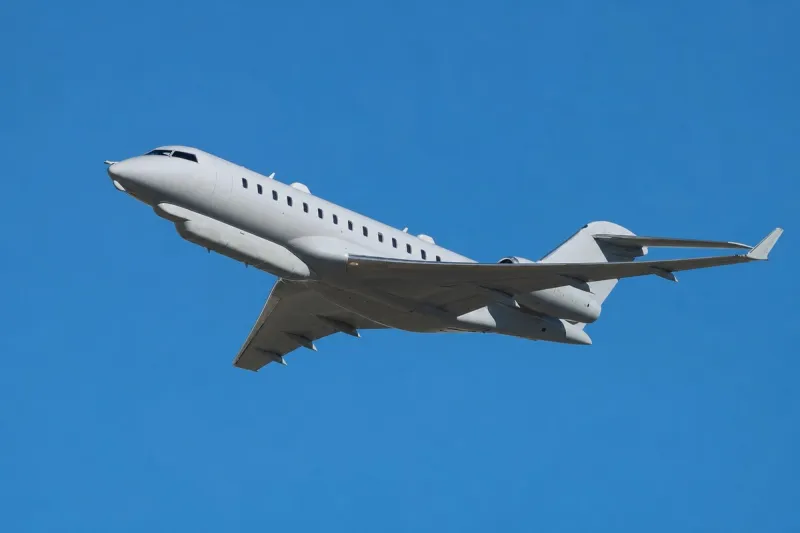
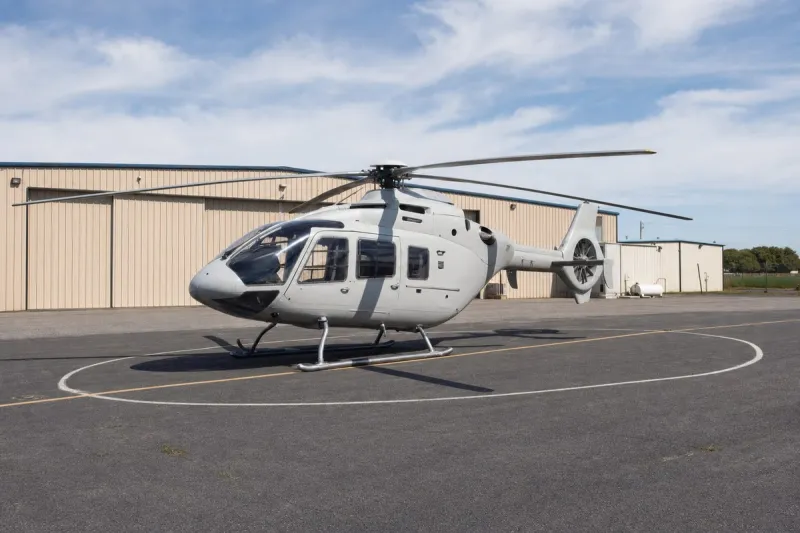
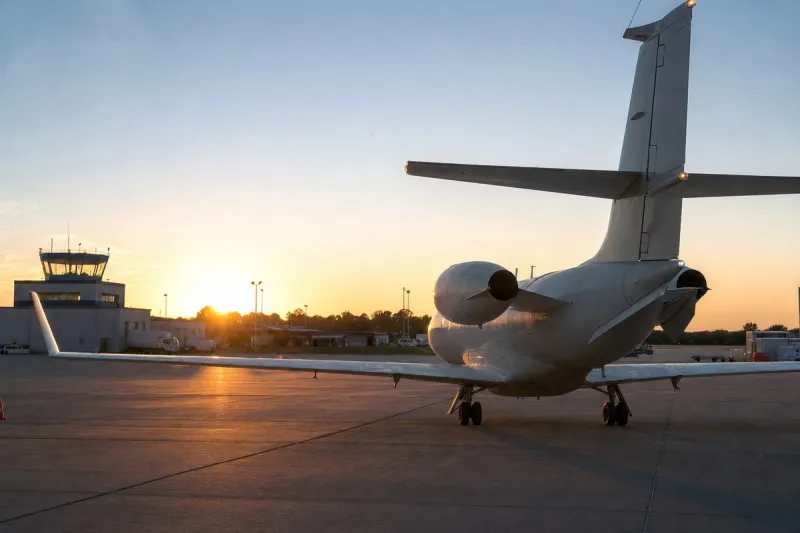
The west side of Harry Reid already functions as the section of the airfield used for parking and servicing corporate aviation aircraft. A customs facility was previously located on that ramp alongside a building used by JetSuiteX and NetJets and several helicopter tour operators. The new dedicated facility formalizes and expands that customs presence, routing international general aviation and cargo arrivals through a separate processing point rather than through the main terminal infrastructure.
The airport was renamed from McCarran International in 2021 in honor of the late Senator Harry Reid. It has long experienced extended wait times during peak periods and major events, pressures that have grown alongside Las Vegas's expanding sports and entertainment calendar. Officials confirmed the west-side customs facility is now open and operational.
Industry impact & what to watch
This kind of project reflects a broader pattern at major hub airports: separating general aviation and cargo customs processing from passenger terminal infrastructure so each stream can move at its own pace rather than competing for the same checkpoints. For business aviation operators flying into Las Vegas, a dedicated west-side entry point means international arrivals no longer funnel through terminal-facing customs queues built around commercial passenger volumes.
How well this works in practice depends on staffing and throughput at the new facility, neither of which has been disclosed. A facility opening is not the same as a facility performing — wait-time data, if and when the airport releases it, will be the real test of whether congestion actually eases during peak periods and major events.
The next signal worth watching is whether Harry Reid or CBP publishes any operational data tied to the new facility, since cost, staffing levels, and size remain undisclosed for now.