Air Charter Service airlifts 163 tons of power plant machinery from India to Ghana
Why It MattersOutsize air charter logistics rely on last-minute consolidation between broker, operator loadmasters and client to cut aircraft count and cost without compromising urgent delivery timelines.
What happened
Air Charter Service (ACS) transported 163 tons of outsize machinery from India to Ghana to support a power plant project in Kumasi, moving cargo for a client based in Mumbai who needed urgent delivery of equipment intended to improve the efficiency of a major power plant.
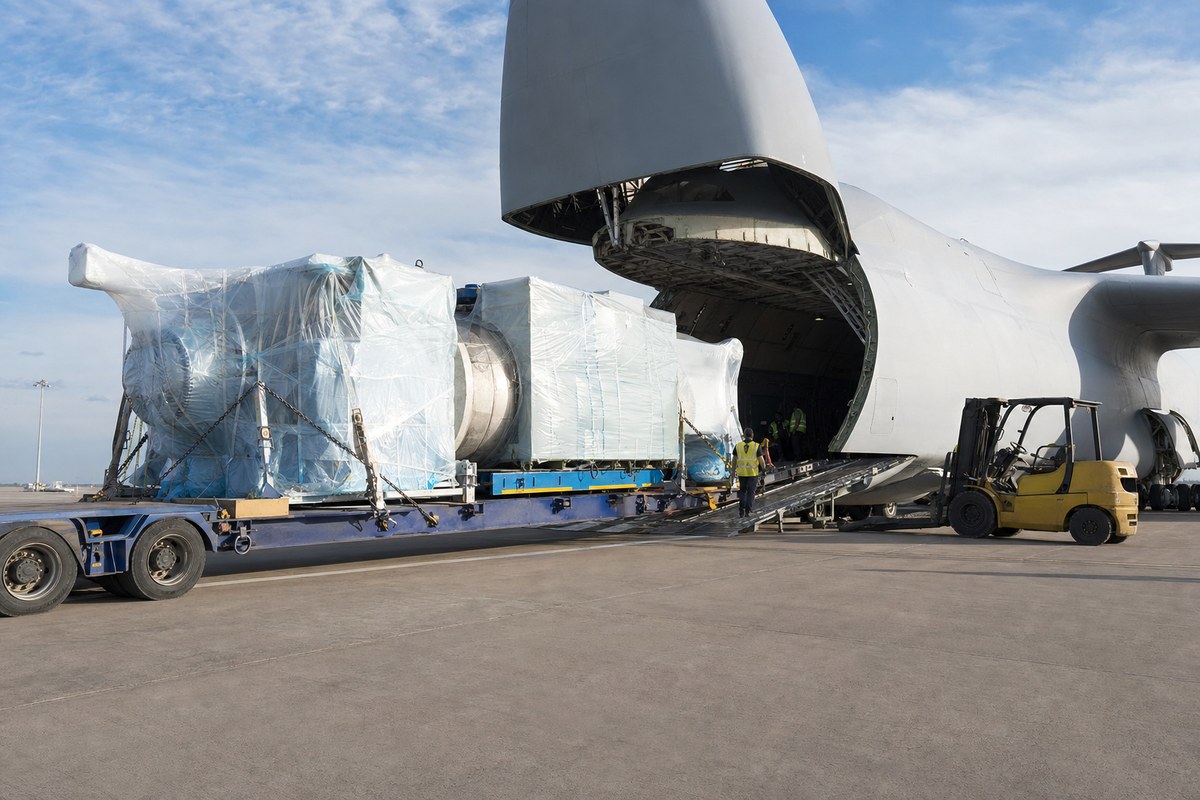
The shipment comprised more than 110 individual pieces, including components exceeding 12.5 tons in weight and 10 metres in length. An initial plan called for three aircraft, but ACS worked with the operator's loadmaster team and the client to consolidate the cargo onto two Boeing 747 freighters, which the company said resulted in significant cost savings for the customer. A nose-loading B747 freighter carried the oversized 10-metre components, with two external cranes sourced by ACS used to load the bulkiest items onto that aircraft, while the remaining smaller components were palletised and loaded onto a second B747.
After both aircraft landed in Accra, the machinery was offloaded and transported overland by truck to the power plant site in Kumasi. Shahvez Jafary, Chief Commercial Officer of ACS's Indian operations, noted that the client confirmed the final cargo details just days before the requested flight date, following several changes to the packing list in the lead-up to the flights.
Industry impact & what to watch
This case illustrates how outsize cargo charters are planned around aircraft consolidation rather than fixed early quotes: the initial three-aircraft plan gave way to a two-aircraft solution once the broker, the operator's loadmasters and the client worked through the actual dimensions and weights of each piece.
In this segment, nose-loading freighters and externally sourced cranes are the tools that decide whether outsize components can move by air at all, and packing-list changes right up to departure are treated as normal rather than exceptional. The gap between an initial charter plan and the final loaded configuration is where the cost savings in this kind of shipment actually come from.
What happens at the Kumasi site once the equipment arrives, and whether the efficiency gains it was meant to deliver materialize, is not addressed here and would be the next point of confirmation from the power plant operator.