Private Jet Baggage Limits in 2026: How Aircraft Class, Payload and Door Geometry Determine What You Can Bring
Why It MattersBaggage limits illustrate how private aviation pricing and capacity remain trip-specific rather than standardized, reinforcing operators' central role in every load calculation.
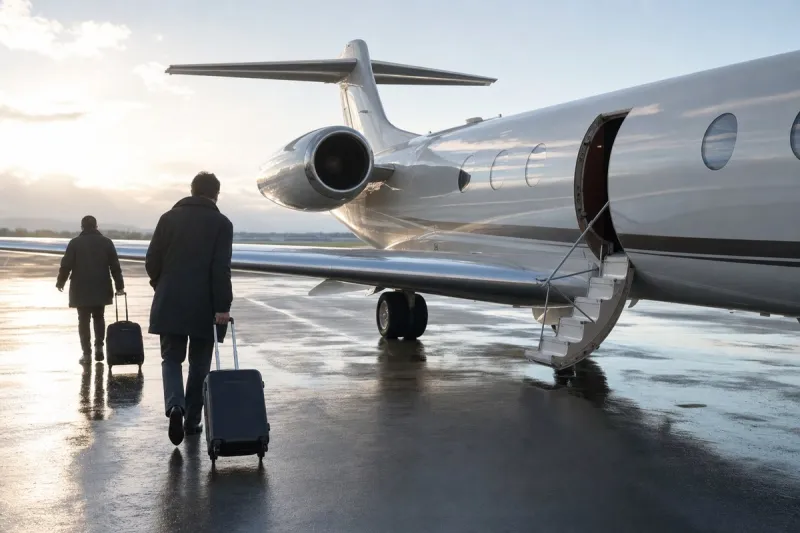
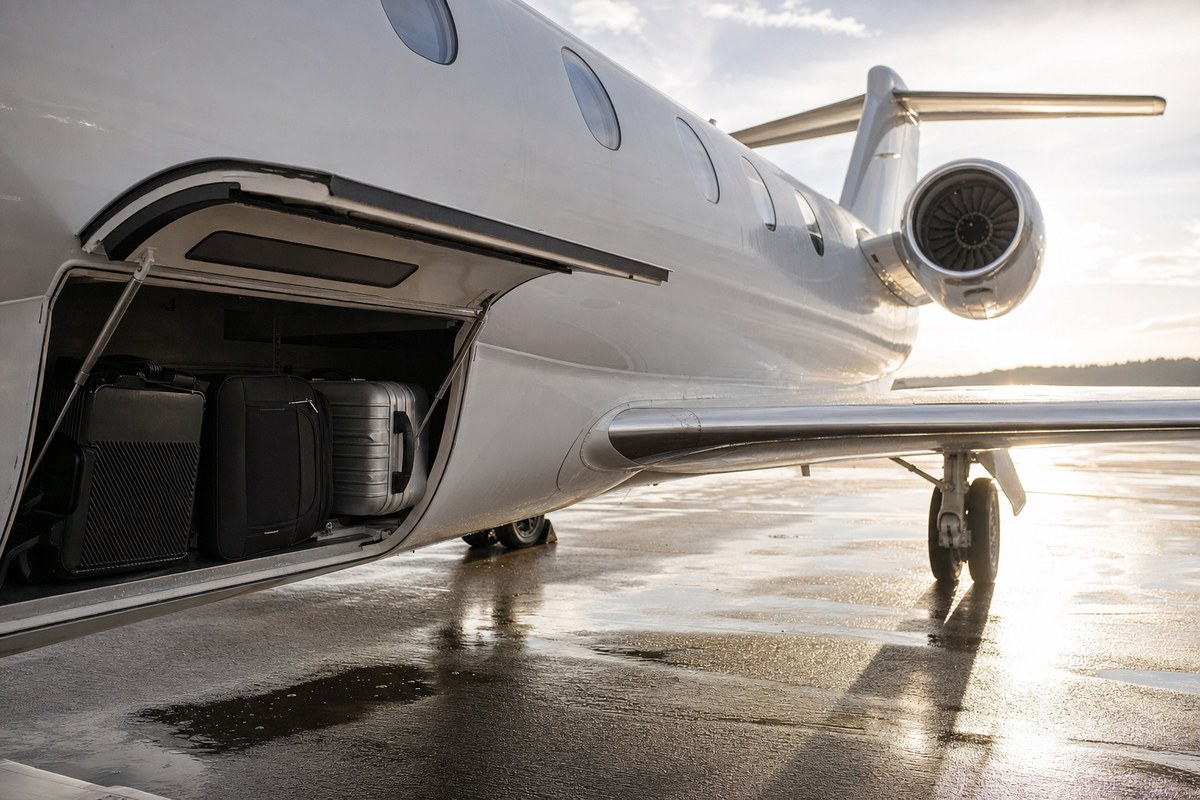
Private jet baggage allowances are not governed by a single published rule; instead, three factors determine what a passenger may bring aboard: compartment volume in cubic feet, the aircraft's maximum payload on that specific route, and whether items physically fit through the baggage door opening.
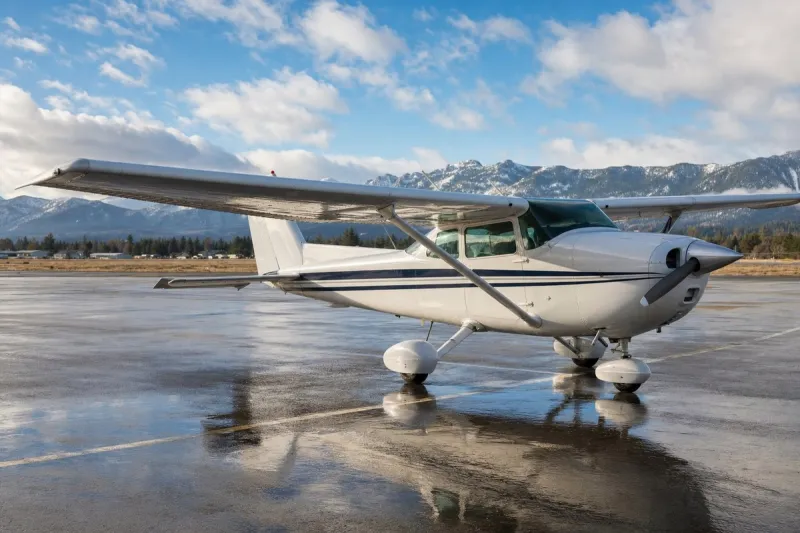
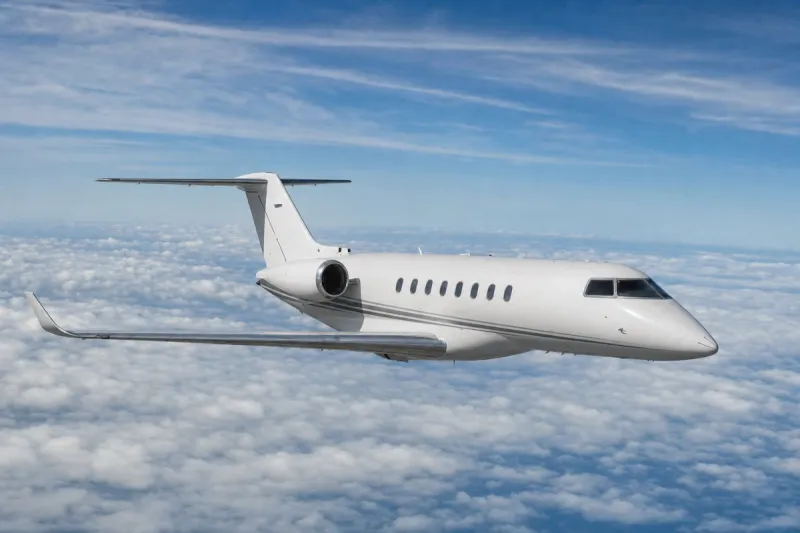
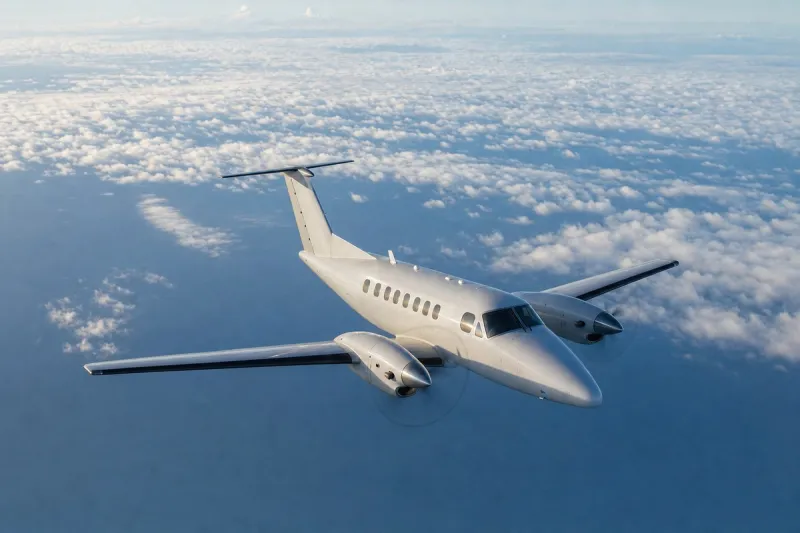
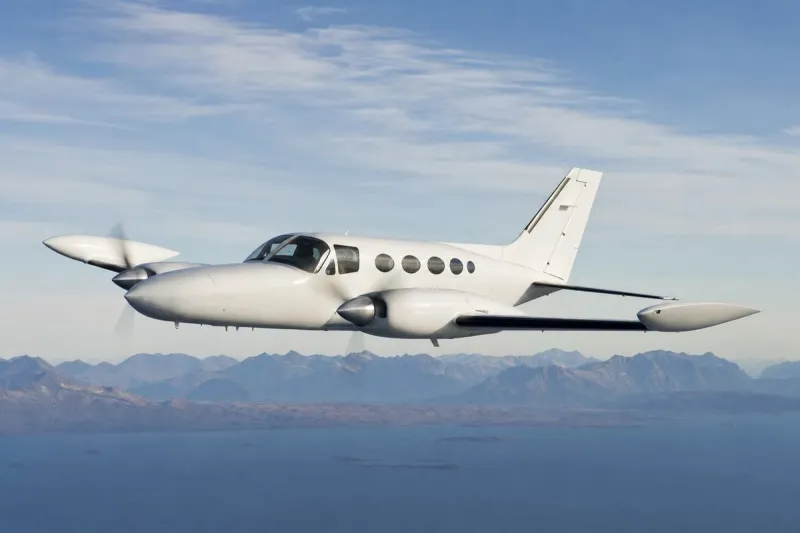
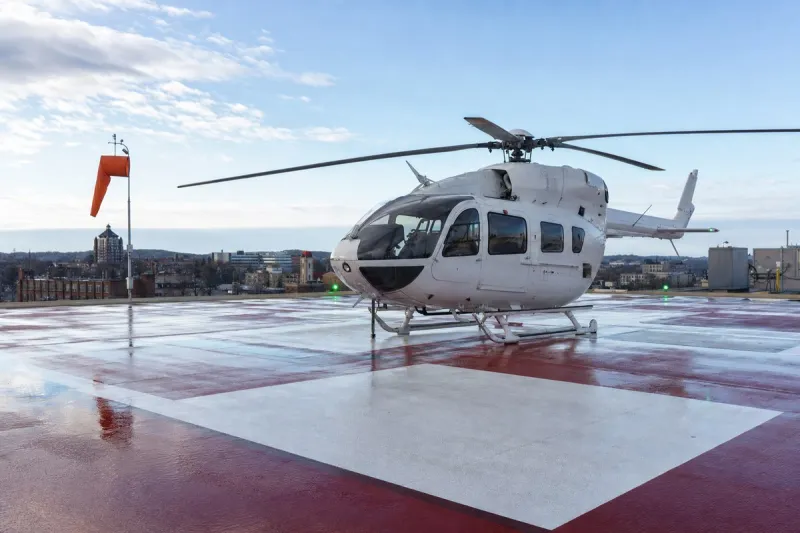
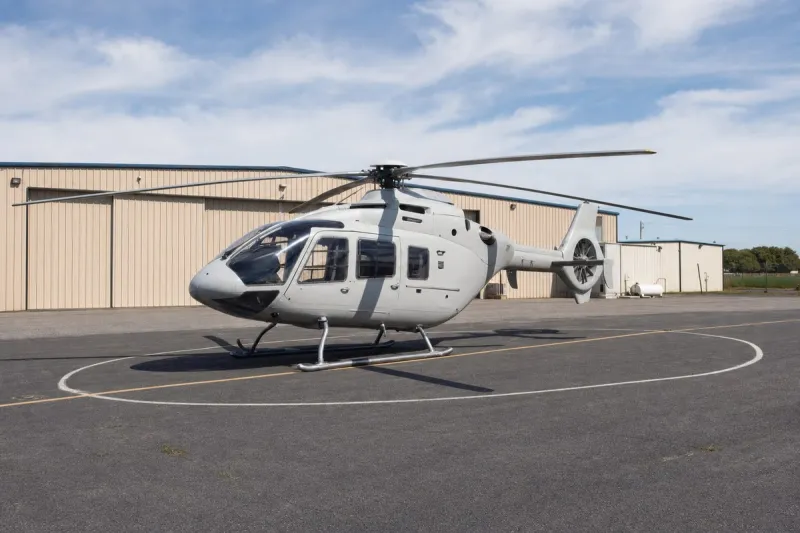
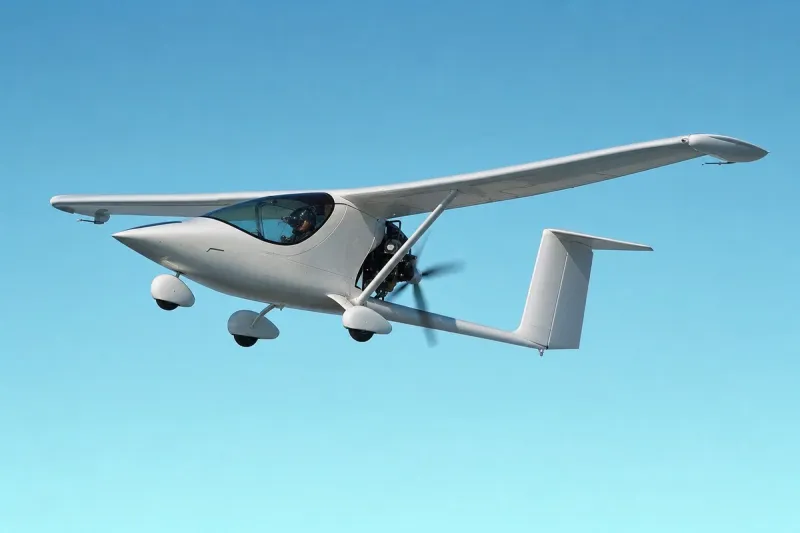
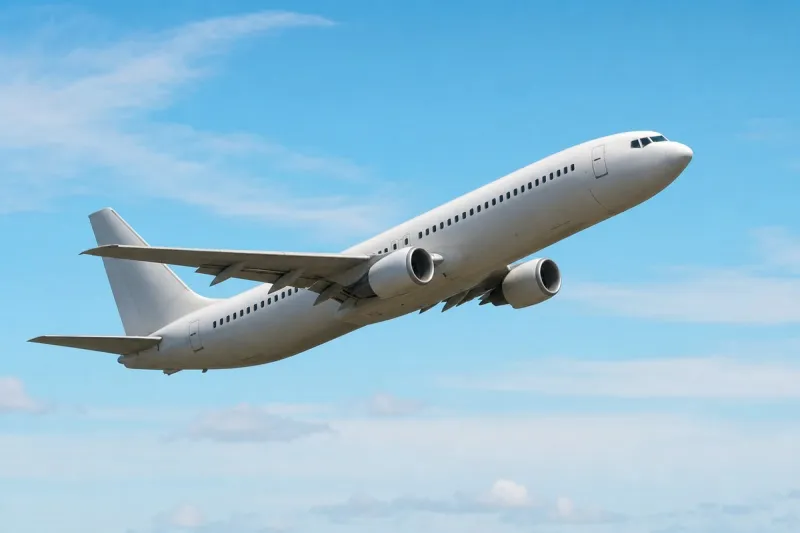
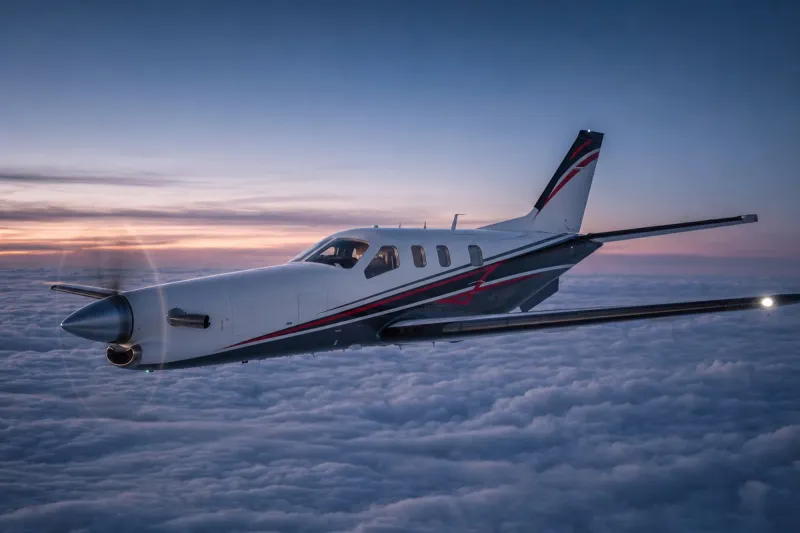
As a 2026 planning baseline, turboprops and very light jets typically offer 15–55 cubic feet of baggage space, roughly one small bag per person. Light jets provide 25–76 cubic feet, or about one small-to-medium bag per person. Midsize jets offer 70–140 cubic feet, approximately one medium bag per person. Super-midsize jets provide 100–195 cubic feet, accommodating one to two medium bags per person, while heavy and large-cabin jets offer 195–525 cubic feet, generally allowing two large bags per person. Operators confirm the final load for every individual flight.
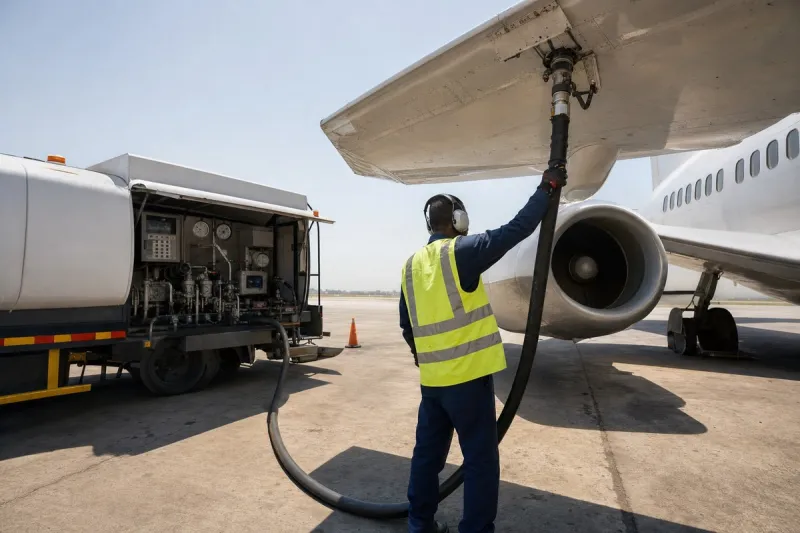
Bulky items such as skis, golf bags, and strollers require special attention: clearance is often tight on turboprops and VLJs, light jets vary by model, midsize jets can usually accommodate soft-sided ski or golf covers, and super-mids and heavy jets are generally the most forgiving for oversized items. Unlike commercial carriers, which publish standardized policies across thousands of identical flights, private operators recalculate available baggage capacity for each trip, since fuel requirements compete with payload on longer legs and high temperatures, high-altitude airports, and short runways can quietly cut baggage capacity — Aspen, Colorado is cited as an example where thin mountain air limits what an aircraft can carry.
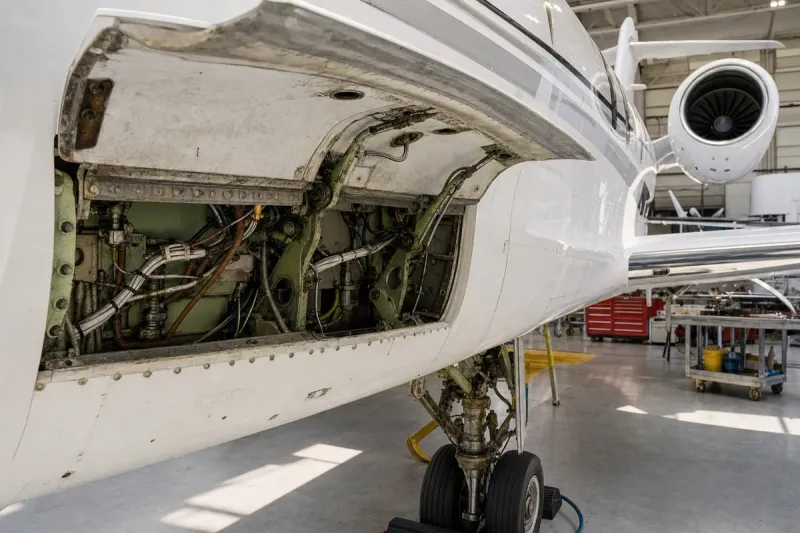
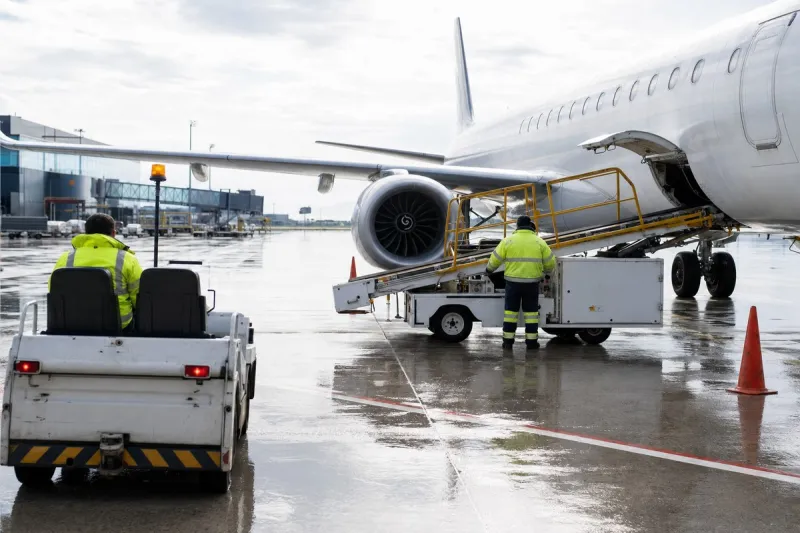
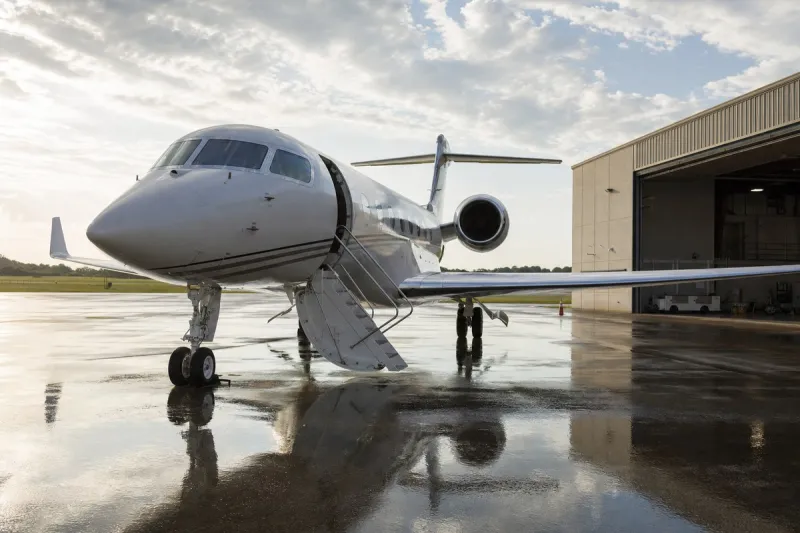
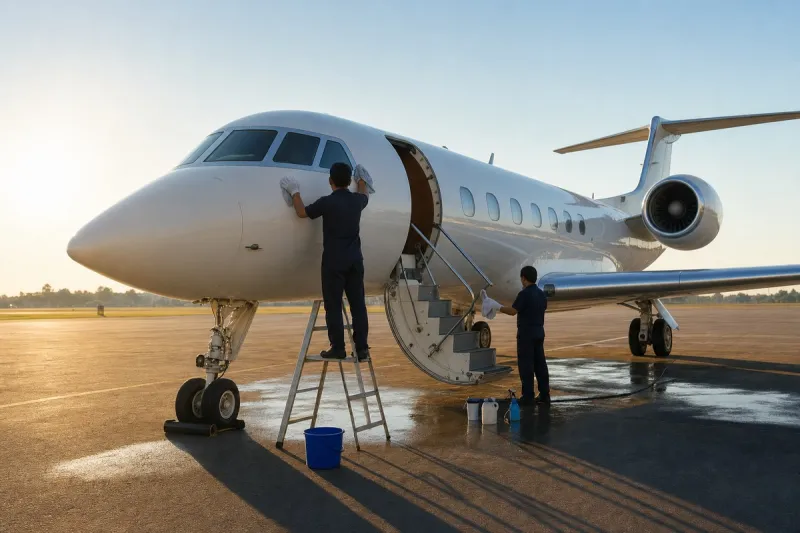
Baggage door geometry adds a third, independent constraint: a jet may have ample cubic footage on paper but still be unable to accept rigid long items like ski equipment if the door opening is too small or angled. A Cessna Citation XLS offers approximately 90 cubic feet against a Hawker 800's closer to 50 cubic feet, while a Gulfstream G650 holds approximately 195 cubic feet compared with an Embraer Lineage 1000E's roughly 443 cubic feet. Passengers are advised to share bag weights and dimensions with the operator before finalizing bookings, provide exact dimensions for long rigid items to verify door clearance, and consider reducing bags or upgrading aircraft class for hot or high-altitude departures, with the operator holding final authority over what is approved to board.