Five cabin checks for teams chartering a private jet to work onboard
Why It MattersCharter buyers are turning cabin work capability into a quote criterion alongside seat count, pushing brokers and operators to document tables, connectivity and power by route.
A booking checklist for business travellers lists five checks to make before accepting a private jet charter quote when the team needs to work during the flight. A quote may say an aircraft seats eight and has Wi-Fi without settling whether slides can be reviewed, whether two people can edit at once or whether the presenter can see the rest of the team. The guide advises telling the broker what the group must accomplish onboard and considering whether a time-sensitive video call can be moved to the ground.
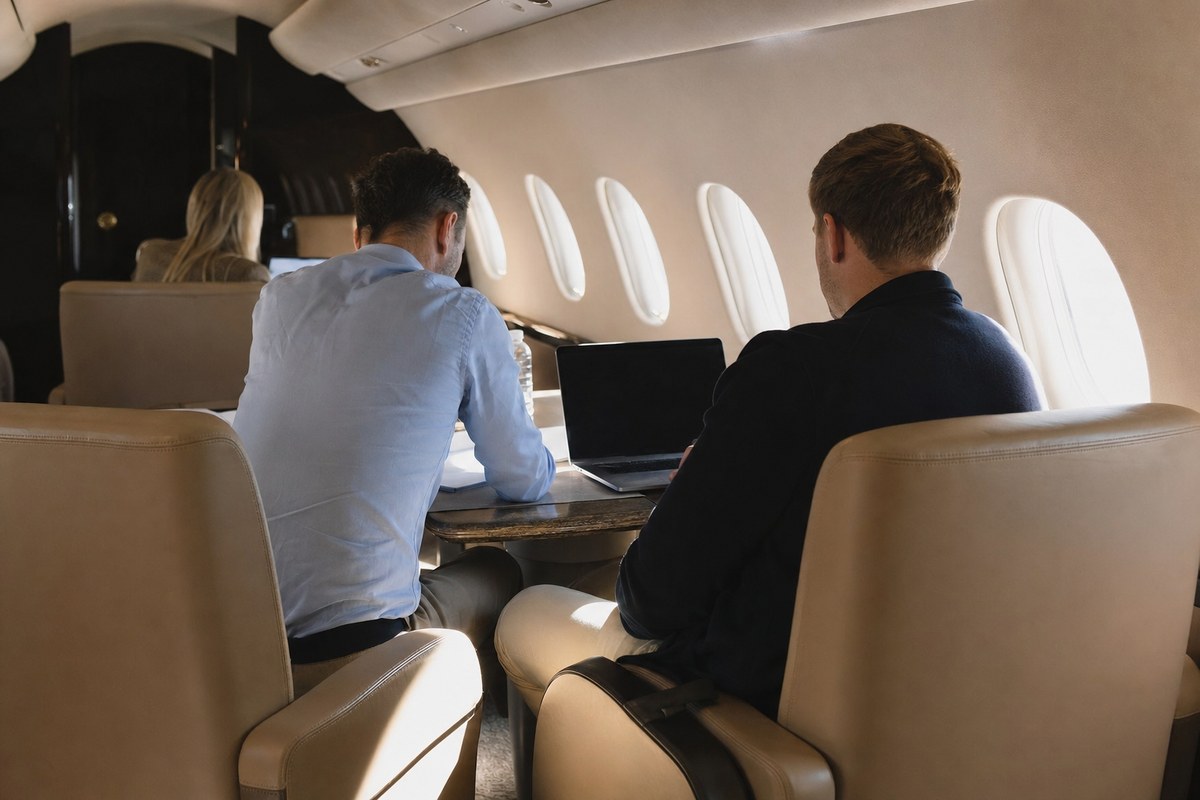
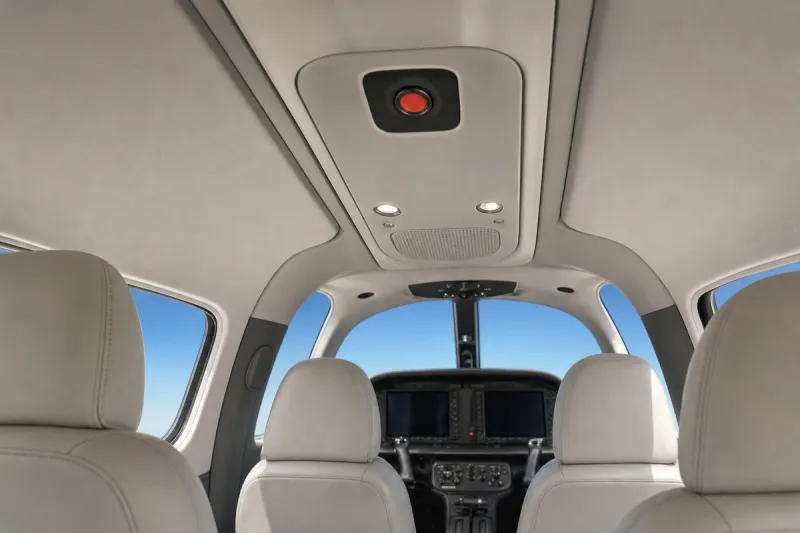
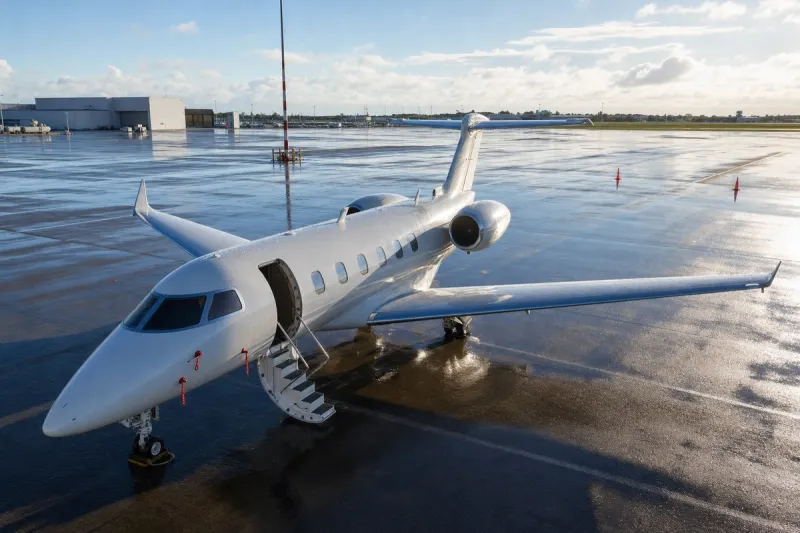
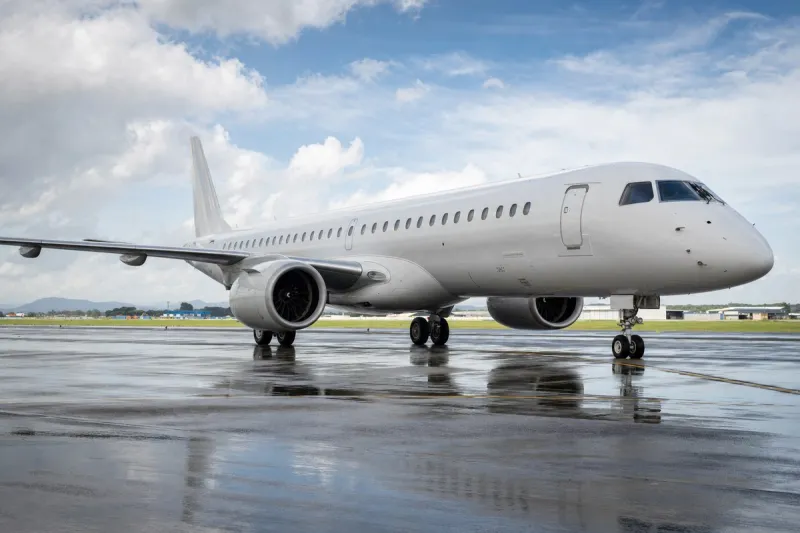
The first check is the work seats and tables. Passengers should ask for a floor plan and current photographs of the proposed aircraft, because how many people can work comfortably depends on the position and size of the deployed tables, not just on club seating. Four facing seats may form two pairs, which can mean two separate work surfaces, and the broker should mark the working seats on the plan. TAG Aviation's Phenom 300E listing is cited as an example of a cabin plan that gives seating and baggage figures separately.
The second check is Wi-Fi matched to the route and the work. Travellers should ask what connectivity the aircraft has, whether it covers the route, whether voice or video calls are permitted, how many passengers can connect and whether usage charges or caps apply, naming any specific application such as a company VPN or video-call tool. NetJets lists international Wi-Fi for its Global 7500 and 8000. The guide recommends downloading files in advance and agreeing who can send a final version from the ground if the connection fails.
The third check is outlet type and location: a photo or description of the outlet at each work seat, covering connection type, available power and whether it can be reached while seated. USB-A, USB-C and mains sockets serve different devices, and a laptop needing a particular USB-C charging capacity calls for a question about output. Textron Aviation lists USB and 115-volt outlets for the Citation Latitude as an example of manufacturer information.
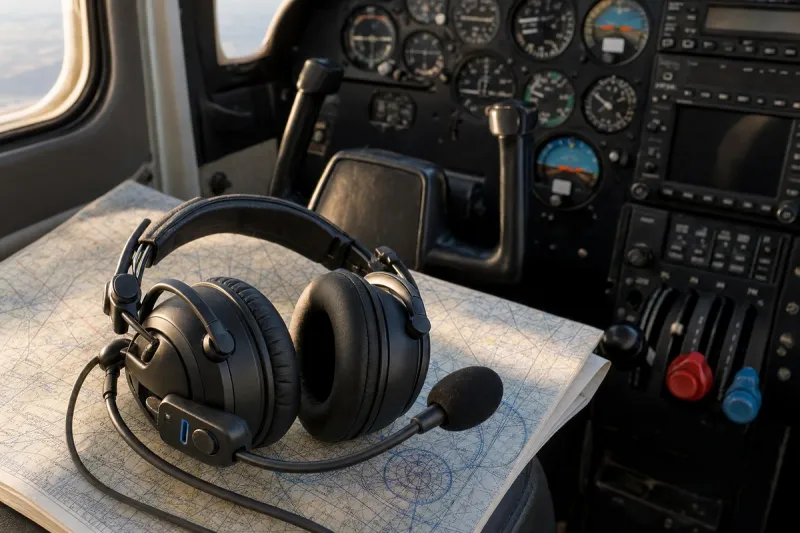
The fourth check covers what can stay within reach and when work is possible. The guide suggests a small cabin bag with the laptop, headphones, charger and printed agenda, and advises telling the operator about larger sample cases or demonstration equipment, with dimensions and approximate weight. Travellers carrying power banks or spare batteries should read the CAA's packing advice and the operator's rules, and ask the crew when tables can be deployed and when equipment must be stowed.
The fifth check is the cabin reset and the conditions for a substitute aircraft. Passengers should ask whether the aircraft arrives from another charter and how the work area will be prepared, and give the broker a short list of trip essentials to reconfirm if the aircraft changes. A substitute can differ in decor and still meet the brief; if it loses an essential feature, the schedule can be changed before the team arrives. The guide's comparison table matches solo document work to one usable table and a compatible outlet, a four-person pitch rehearsal to sightlines and space for two open laptops, and a time-critical client call to route coverage, a call policy and a quiet seat. It advises comparing two quotes that meet the route and schedule on the work the group can do, and putting the work requirements in the same email as the itinerary.