Heat, Altitude and Weight Combine to Limit Boeing 787-9 Takeoff Payloads
Why It MattersHot-and-high airports cap widebody range and payload, shaping where airlines base long-haul flying and forcing cargo, seat or fuel trade-offs on warm days.
A Boeing 787-9's takeoff performance must stay within the manufacturer's limits, set out in documents such as the Flight Crew Operations Manual (FCOM), the Airplane Flight Manual (AFM) and the airline's Weight and Balance / Loading Manual. Hot temperatures, high field elevation and high weight each lengthen the takeoff roll and reduce climb performance.
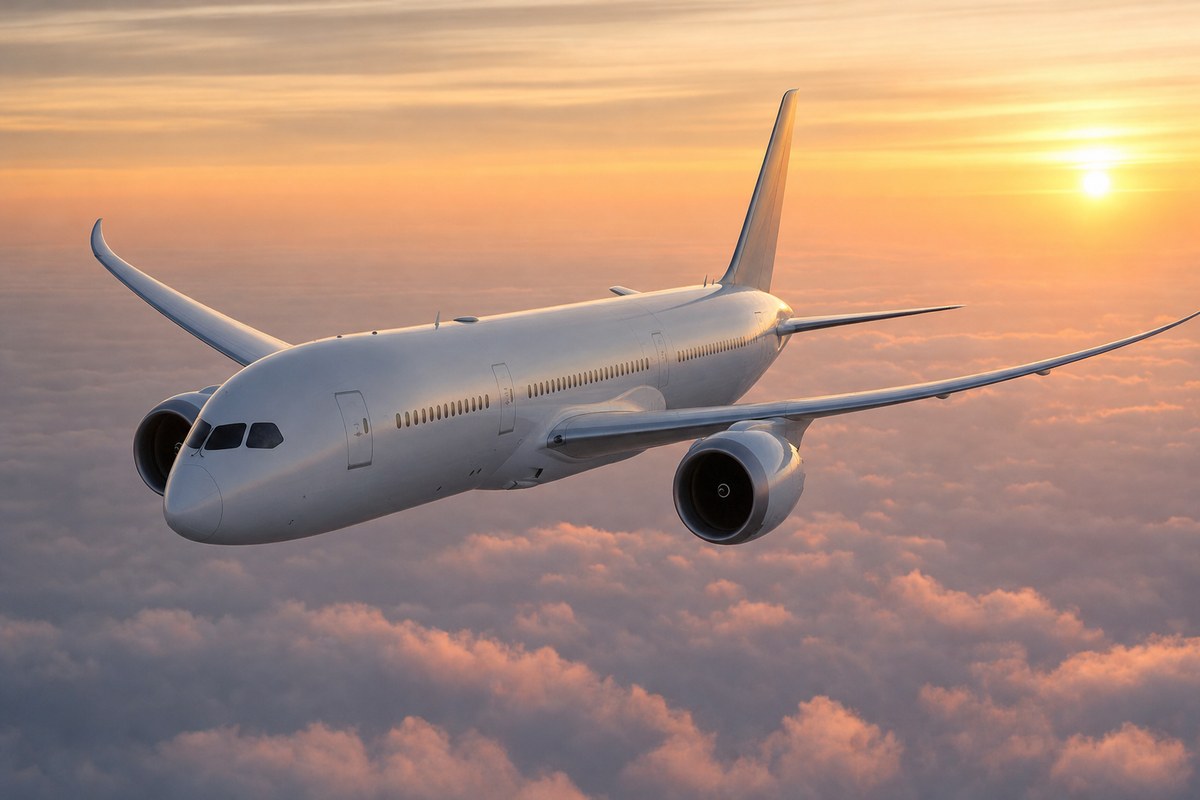
Hot air is less dense, so fewer air molecules pass through the engines and over the wings. The 787-9's General Electric GEnx-1B or Rolls-Royce Trent 1000 engines produce less power, and the wings generate less lift. The FAA advises evaluating temperature effects with actual temperature values and density altitude calculations, since the impact varies by aircraft type. Lower atmospheric pressure has a similar effect, which is why performance calculations use pressure altitude rather than field elevation alone.
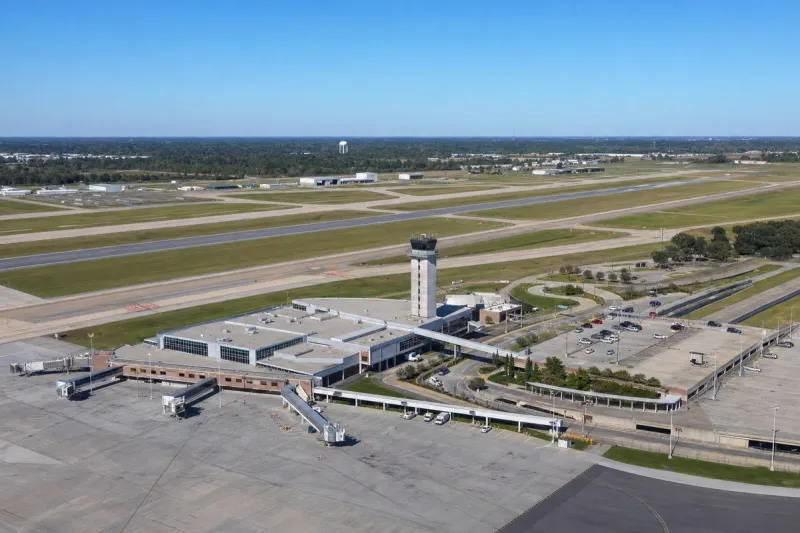
Field elevation matters even in standard conditions. Denver International Airport (DEN) sits at about 5,434 feet above sea level, whereas San Francisco International Airport (SFO) is essentially at sea level, so a 787-9 at the same weight needs more runway and climbs less well at Denver. United Airlines operates more long-haul flights from SFO for this reason, and on a hot day the fuel required for some international routes from Denver could exceed the maximum allowable fuel weight for takeoff.
Weight is the factor airlines can control most directly. The 787-9's maximum certificated takeoff weight exceeds 500,000 pounds in every configuration. When conditions limit performance, airlines can restrict cargo, carry fewer passengers or block seats, reduce fuel, or plan an intermediate fuel stop. Boliviana de Aviación (hub: La Paz, LPB) and Aeromexico (hub: Mexico City, MEX) face high-altitude, warm-weather constraints on range and aircraft weight. The Boeing 757-200 and 737-700 are known for strong runway performance at hot-and-high airports.