Q-CTRL's Ironstone Opal Quantum Navigation System Achieves RTCA DO-160 Qualification for Commercial Aviation and UAVs
Why It MattersA certified satellite-independent navigation payload gives airliner and drone operators a passive fallback as GPS jamming and spoofing mount, which could move quantum sensing from trials toward fitted equipment.
Quantum infrastructure and sensing company Q-CTRL announced that its Ironstone Opal quantum magnetic navigation system has achieved safety-of-flight qualification under the commercial aviation RTCA DO-160 environmental testing standard. The announcement came ahead of live demonstrations at the Farnborough International Airshow, and the company describes the milestone as the first quantum navigation payload certified for commercial aerospace and uncrewed aerial vehicle (UAV) deployment.
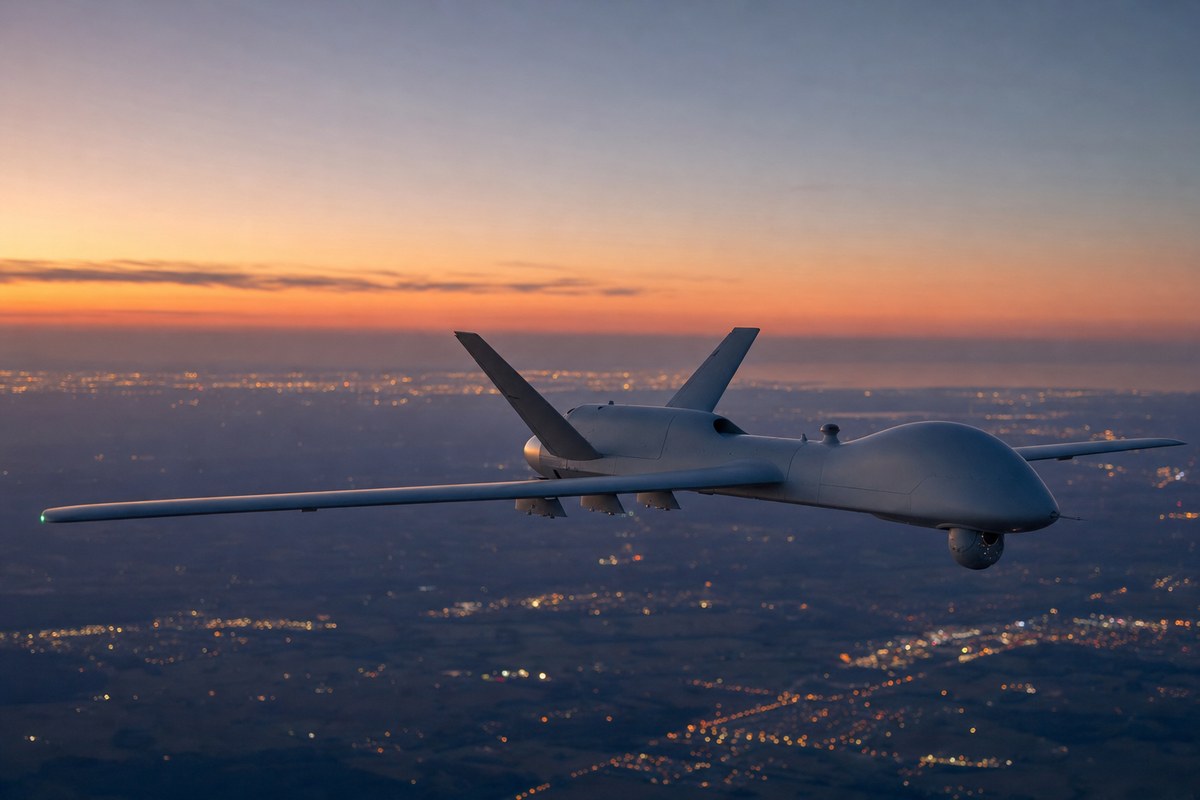
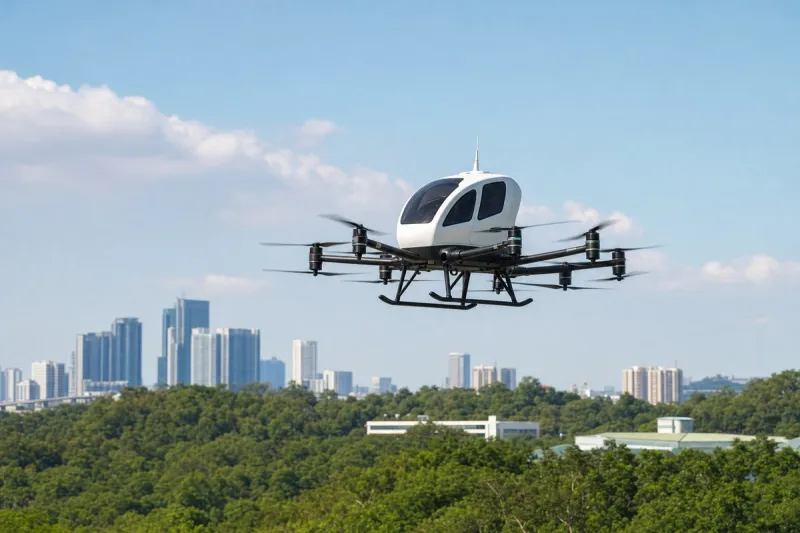
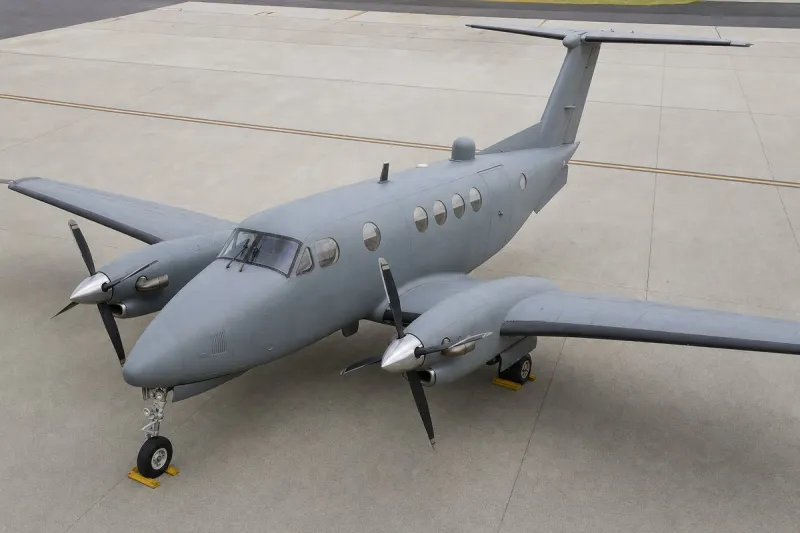
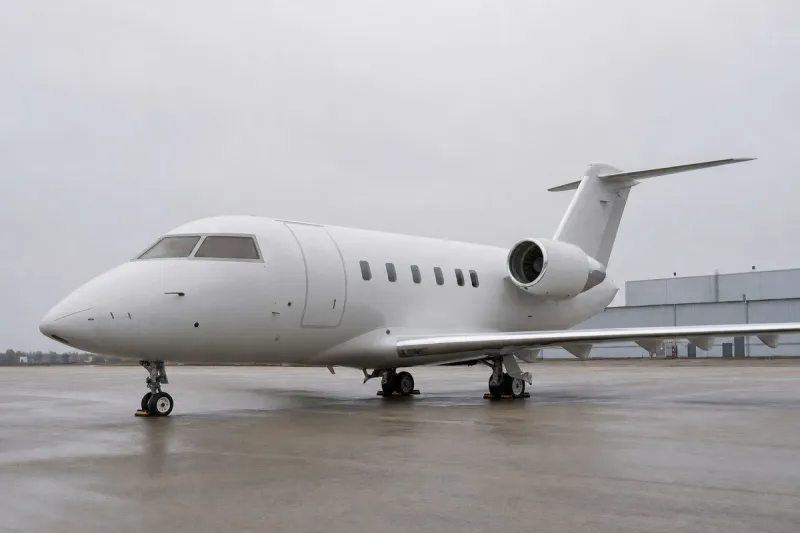
The qualification covers commercial aerospace environmental, electromagnetic and vibration safety-of-flight criteria. The system delivers navigation accuracy of RNP 0.3, meaning less than 0.3 nautical miles over 95% of flight, without satellite signals. It comes in two hardware variants: a crewed aviation unit and a UAV module weighing under 1 kg, supporting fuselage or wing-mounted integration on commercial airliners and NATO Class II+ drones. The system is classified ITAR-free, permitting international commercial and allied defense deployment without U.S. munitions restrictions.
Rising GPS jamming and spoofing, said to disrupt more than 1,500 commercial flights daily, has prompted aviation regulators and defense agencies to seek passive alternatives to satellite-based positioning. Unlike conventional inertial navigation systems, which accumulate positional drift over long flights, Ironstone Opal uses atomic quantum sensors to measure subtle variations in Earth's crustal magnetic field and matches them to onboard geomagnetic maps. To work inside magnetically noisy aircraft frames, it pairs quantum magnetometers with AI-driven software.
The passive, non-emitting system has undergone flight evaluations with commercial and defense partners, including Airbus and Lockheed Martin, as well as U.S. defense programs.