Embraer Has Evaluated Over 2,000 Startups in Three Years and Signed About 40 Contracts, Executive Says
Why It MattersEmbraer's venture-client model, without equity stakes, and its push to regionalize components show a large aerospace manufacturer using startups and local suppliers to reduce import dependence.
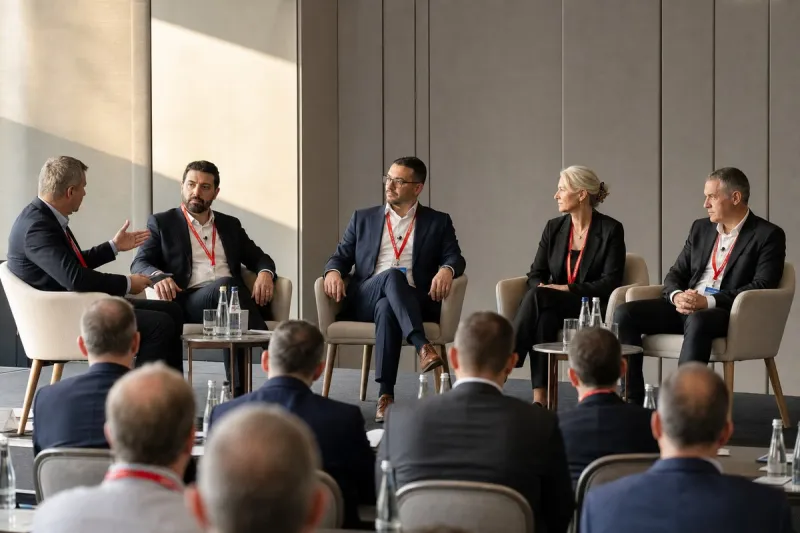
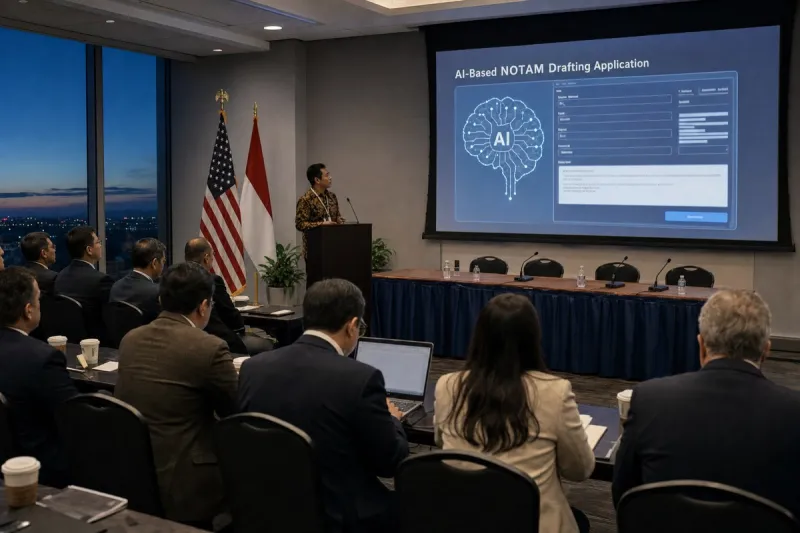
Over the past three years, Embraer has evaluated more than 2,000 startups globally and signed approximately 40 contracts with them to address operational efficiency and engineering challenges, said Leonardo Garnica, the company's head of corporate innovation. He spoke during a panel at the MIT-Anpei Brazil Summit 2026, held on October 8 in São Paulo and organized by the National Association for Research and Development of Innovative Companies (ANPEI) with the MIT Industrial Liaison Program.
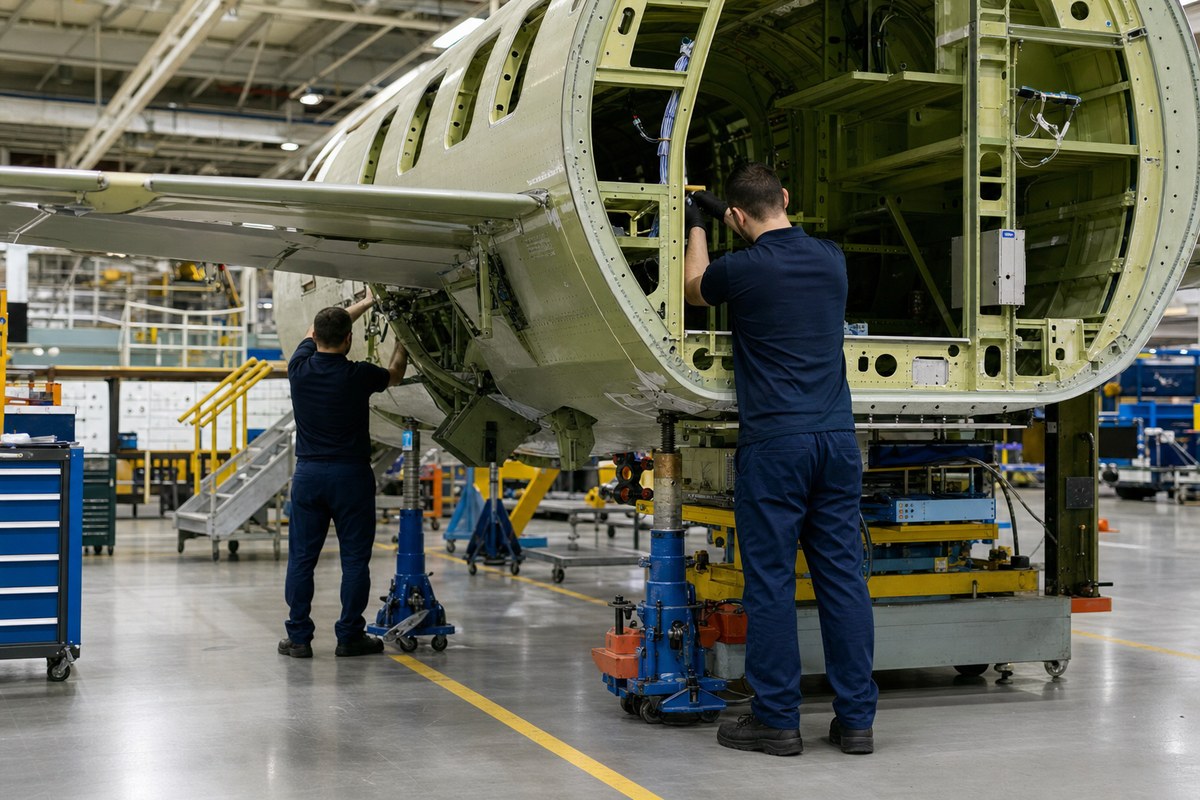
Garnica described Embraer as the world's third-largest aviation company, though much smaller than Boeing and Airbus, which he said are ten times larger. Its open innovation efforts focus on six areas: zero emissions, artificial intelligence, autonomous systems, passenger experience, platform competitiveness and Industry 4.0, under which more than 200 technologies have been mapped. Despite more than 5,000 corporate suppliers, Embraer still imports 60% to 70% of its components, according to Garnica, and aims to regionalize production through partnerships with startups and science and technology institutions.
The company works across two time horizons: a long-term plan to 2040 and 2045, and a five-year plan from 2027 to 2032. Its corporate venture capital fund of approximately USD 50 million is directed toward roughly 20 companies. Embraer prioritizes a venture-client model, acting as a customer of the solution without taking equity; minority stakes would be an "absolute exception," Garnica said.
With annual revenue of approximately USD 8 billion, Embraer allocates 5% to 6% of total revenue to R&D&I across its supply chain and has more than 4,200 engineers in Brazil and at a U.S. engineering center. It has identified over BRL 100 million in supply-chain technology needs eligible for funding from agencies such as FINEP and EMBRAPII, offers training to Tier 1 suppliers, and is mapping national industrial capabilities and technology readiness levels to co-develop components in Brazil.
As an example, the startup Subiter, based in São José dos Campos and supported by FAPESP's PIPE program, developed an active thermography inspection solution that was validated at TRL 6 and 7 in Embraer's industrial environment. Subiter CEO Eduardo Novais said the remaining bottleneck is reaching TRL 8 and 9, covering certification, industrialization and commercialization, where resources are often unavailable.