Turboprop Engine Market Projected to Grow From $9.2 Billion in 2026 to $13.5 Billion by 2033
Why It MattersGrowth concentrated in higher-power engines, special mission aircraft and Asia Pacific suggests turboprop demand is shifting beyond regional passenger fleets, while supply chain strain, certification delays and electric competition cap the pace.
What happened
The global turboprop engine market is expected to be valued at US$9.2 billion in 2026 and to reach US$13.5 billion by 2033, a CAGR of 5.6% over 2026–2033, according to a market report. Between 2020 and 2025 the market grew at a CAGR of about 3.5%, after falling sharply in 2020 when regional air travel collapsed and then recovering as airlines restored routes and cargo, military and special mission programs continued.
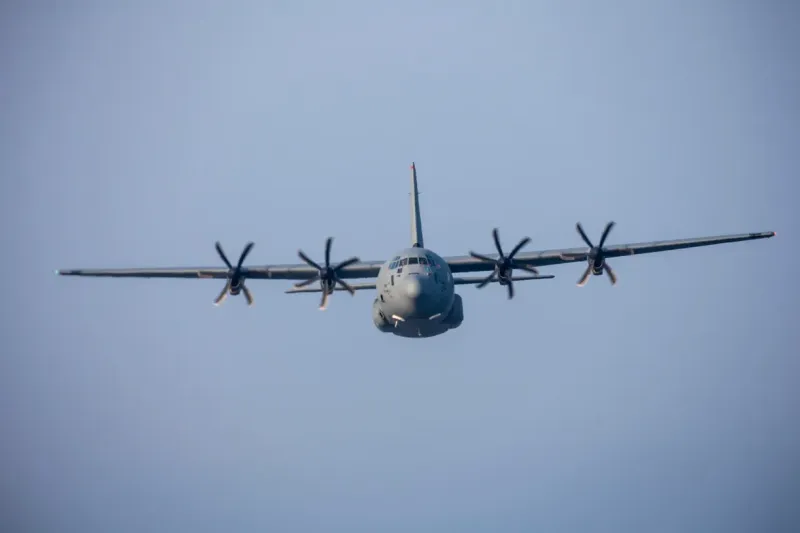
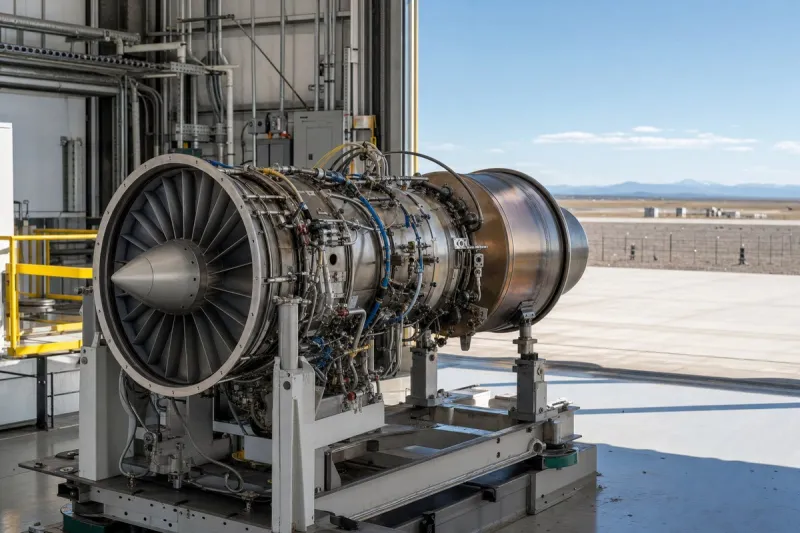
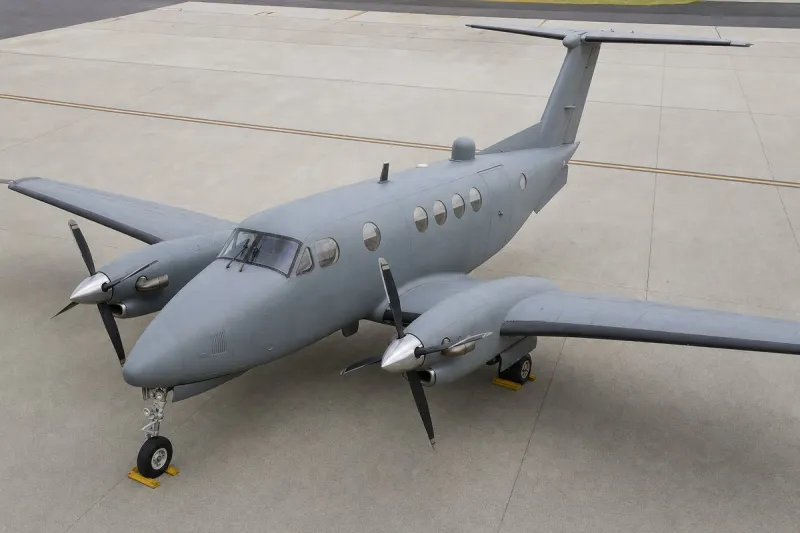
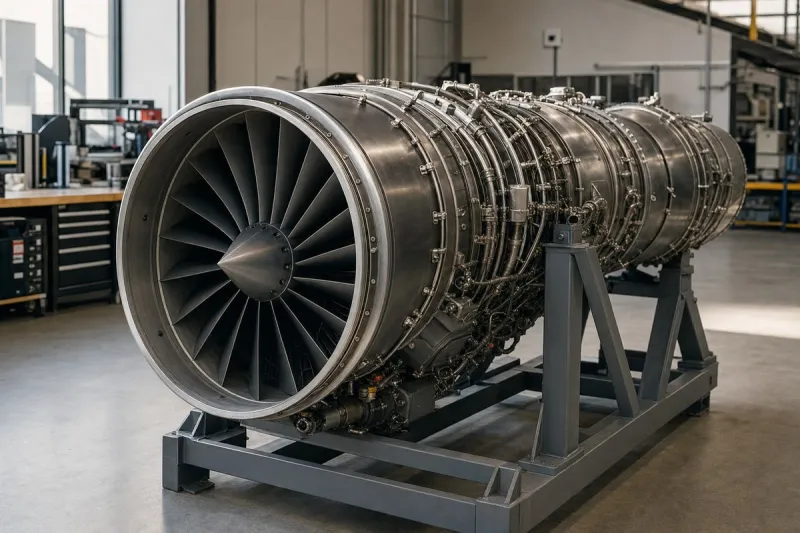
Turboprops power regional airliners such as the ATR 72 and Dash 8, business and utility aircraft such as the King Air and Cessna Caravan, trainers, agricultural planes and military transports. They can operate from short, unpaved runways and burn less fuel than jets on short routes. In February 2025, GE Aerospace's Catalyst became the first clean-sheet turboprop certified under the latest FAA standards.
Segment figures cited in the report: the 1,000–2,000 SHP power class held a 50.0% share in 2026, while engines above 2,000 SHP are projected to grow at a 6.3% CAGR through 2033. Regional passenger aircraft held a 42.0% share in 2026, while special mission aircraft are projected to grow at a 6.4% CAGR. Free turbine engines held an 87.0% share and are projected to grow at a 5.8% CAGR. North America held a 34.2% share in 2026, while Asia Pacific is projected to grow at a 6.5% CAGR, driven by regional route expansion and fleet growth in India, Indonesia and China.
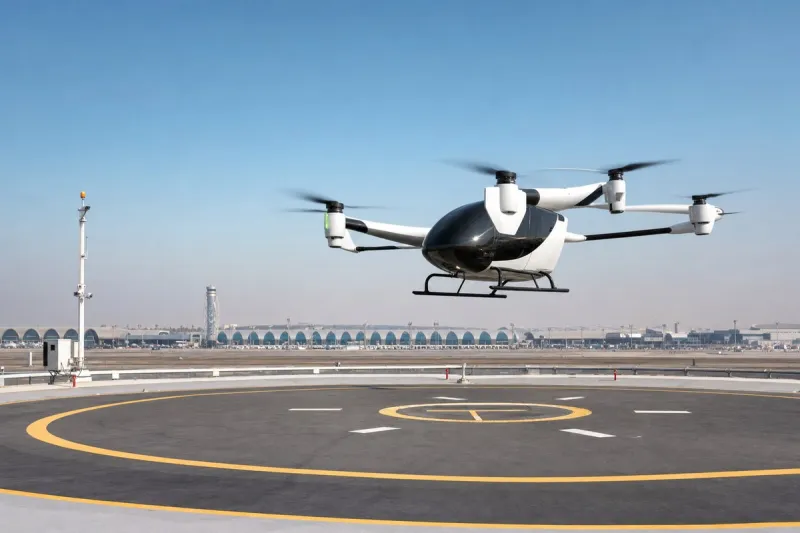
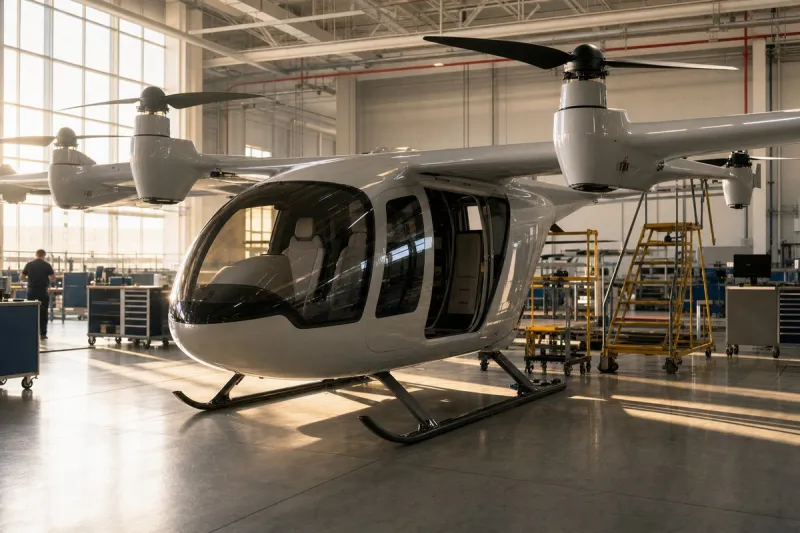
The report names regional connectivity and short-haul travel as the strongest demand driver, followed by military, special mission and cargo demand. Pratt & Whitney Canada and ATR announced a collaboration on next-generation regional propulsion in June 2025. Identified restraints include supply chain constraints and certification delays, as well as competition from regional jets and emerging electric aircraft; the Beechcraft Denali, powered by the GE Aerospace Catalyst, has seen its entry into service move to 2027.
Industry impact & what to watch
A forecast of 5.6% annual growth sits well above the roughly 3.5% pace of 2020–2025, but that earlier period includes the 2020 collapse and the recovery from it. The faster-growing pockets in the report are not the largest ones today: engines above 2,000 SHP, special mission aircraft and Asia Pacific all carry higher projected rates than the segments that currently hold the biggest shares. Engine makers and their aftermarket networks tend to follow that kind of mix shift, since larger engines and government-funded special mission programs behave differently from regional airline orders.
The restraints named in the report are the ones that decide how much of the forecast arrives on schedule. Certification delays and supply chain constraints show up concretely in the Beechcraft Denali, whose entry into service has moved to 2027 even though its GE Aerospace Catalyst engine is already certified. Competition from regional jets and emerging electric aircraft is a longer-range pressure on the same short-haul niche that turboprops serve.
The next markers are the Denali's 2027 entry into service and any outcome from the Pratt & Whitney Canada and ATR collaboration on next-generation regional propulsion announced in June 2025.