Boom CEO Says Rolls-Royce Exit Led to In-House Engine and a 42-Megawatt Turbine for AI Data Centers
Why It MattersA supersonic start-up redirecting a jet engine core into stationary power generation shows how AI-driven electricity demand is pulling aerospace propulsion capacity toward the data-center energy market.
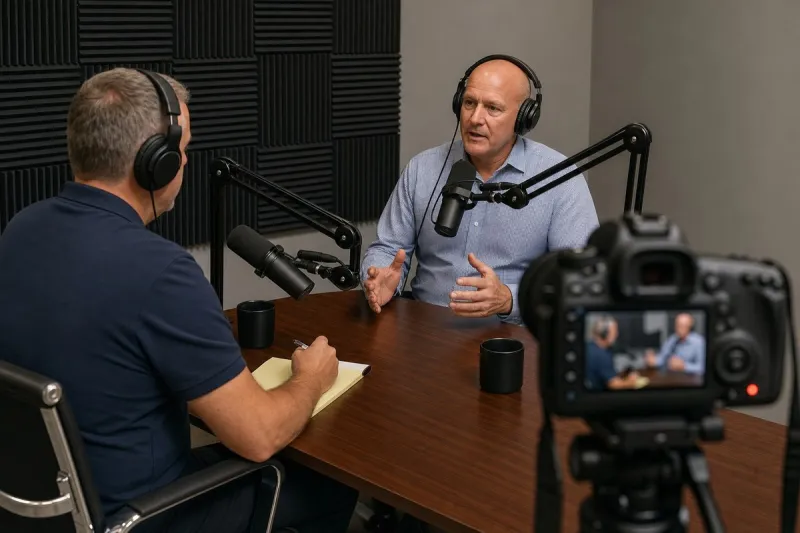
Boom founder and CEO Blake Scholl said that Rolls-Royce's public break with the company in August 2022 left Boom "unfundable" and forced it to build its own supersonic engine, an outcome he now calls the best thing that happened to the company. Speaking on the Y Combinator Startup Podcast, Scholl said no partner or airline would talk to Boom after the split, and that he had already called every engine maker and been told none was working with Boom. He called outsourcing the engine to Rolls-Royce one of his worst decisions, saying a Rolls board meeting in early 2022 on whether to negotiate a contract coincided with the board firing its CEO, which froze decision-making. The American Airlines preorder in August 2022, which followed United's, was meant to help attract an engine maker, but Scholl said Rolls instead went to the press without warning and ended the relationship publicly.
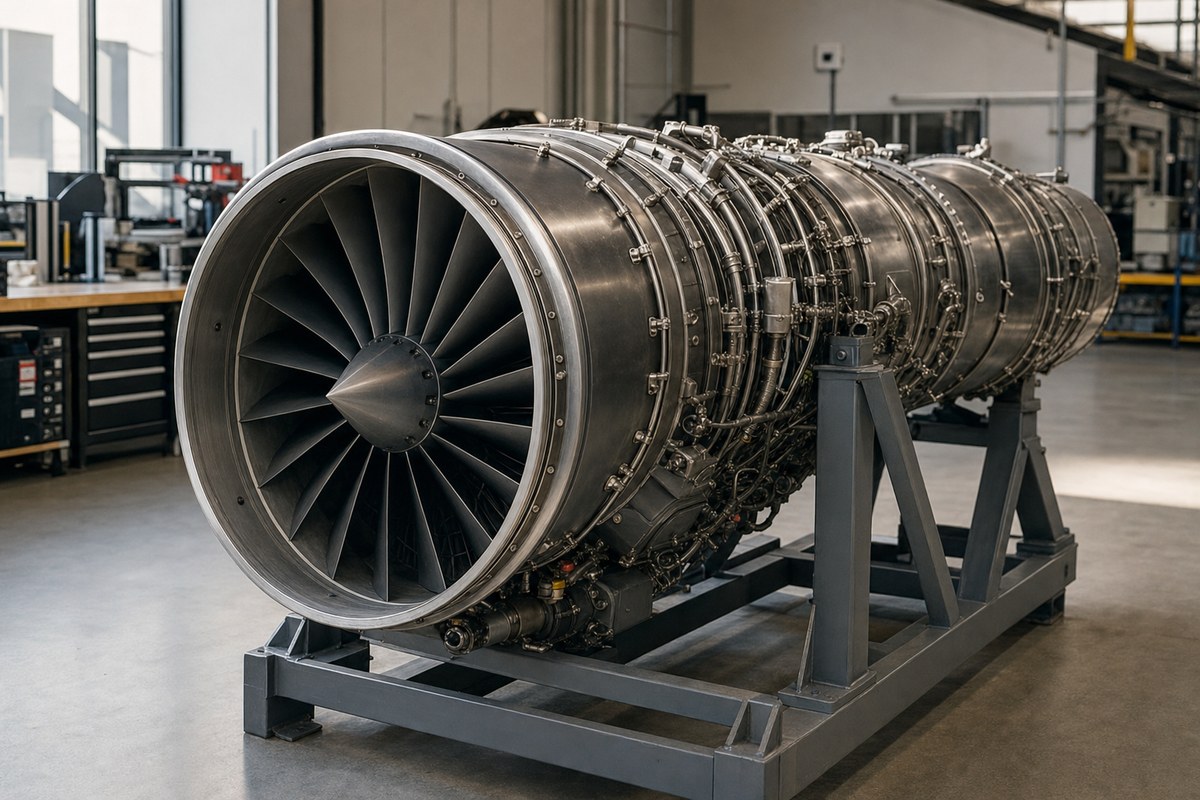
Boom then turned to a contract engineering firm formed from Pratt & Whitney's former supersonic team and sketched its own engine in June 2022. Scholl said optimizing the engine and airframe together produced "boomless" supersonic cruise about six months before the team realized it. At sufficient altitude, a sonic boom curves back in the sky and does not reach the ground, provided the aircraft can fly transonic, near the speed of sound. Boom's XB-1 test aircraft flew supersonic in early 2025, roughly three years after the first engine sketch.
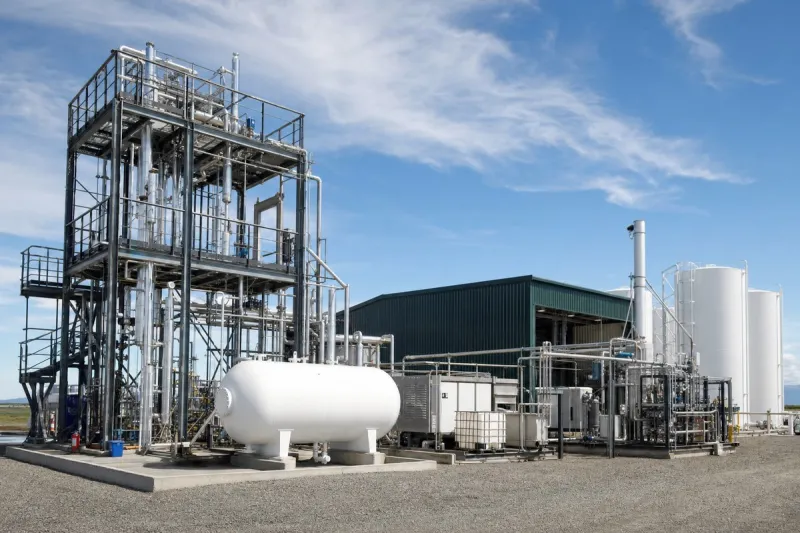
In March 2025, after seeing discussion of an AI power shortage, Scholl texted Sam Altman, a day-one Boom investor, asking whether a 40-megawatt natural gas turbine would be wanted. Scholl said Altman replied: "please as many as you can make as fast as you can make them." Boom's chief engineer said a plan already existed. Scholl said that removing the thrust-generating fan and adding turbine stages to drive a generator turns the engine that would make 40,000 pounds of thrust on a supersonic jet into a 42-megawatt power turbine. He described about 24 units per gigawatt, arrayed with n+1 redundancy.
Scholl said Boom raised funding at the end of 2025 on the turbine strategy, expects substantial turbine revenue beginning next year, and insists the supersonic jet remains the plan. He also argued that U.S. energy output per capita has been flat for 55 years.