Engine makers report incremental gains in reliability and hybrid-electric programs over the past 18 months
Why It MattersThe focus on durability fixes and adoption of existing engine designs rather than new launches points to a manufacturing cycle prioritising in-service reliability, particularly in hot environments such as the Middle East.
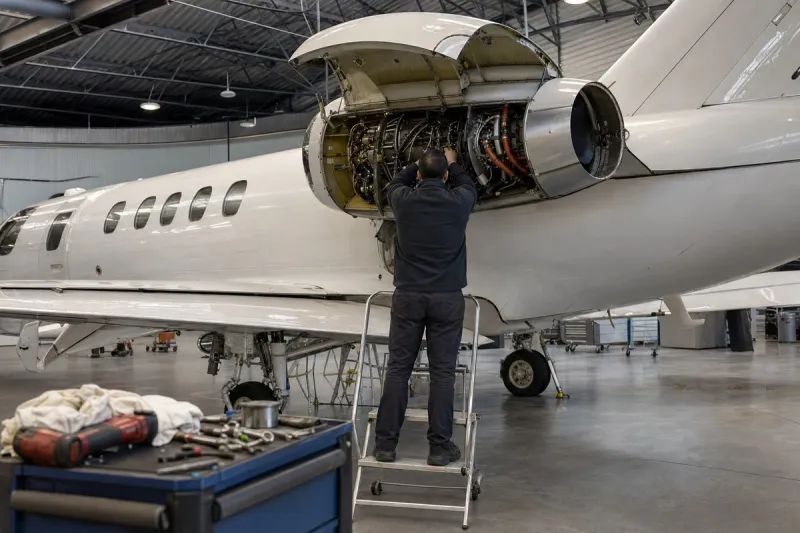
Engine makers have made mostly incremental advances in powerplant technology since the last comprehensive look. No new engines have been announced, but engine reliability has improved significantly and several engines have been adopted for new aircraft.
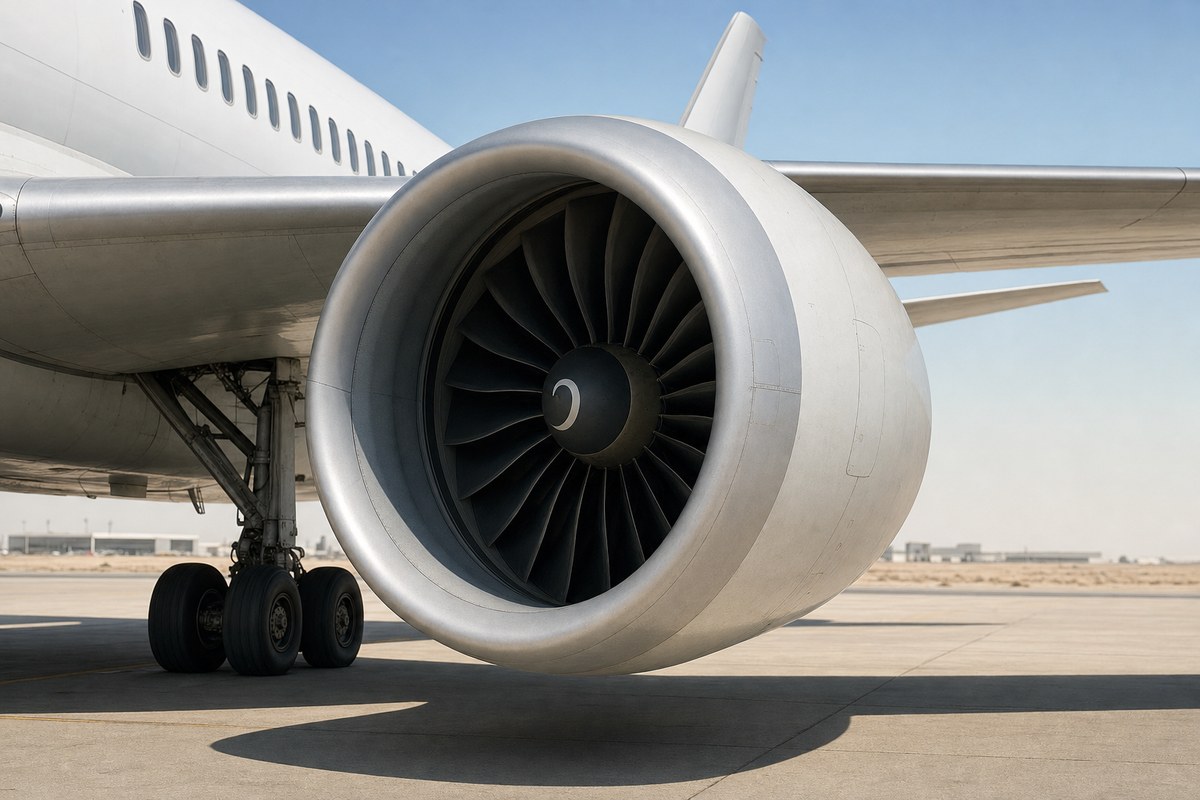
CFM International has struggled with hot and harsh environments, especially in the Middle East. This July, the FAA and EASA both certified the LEAP-1B high-pressure turbine durability kit for Boeing 737 MAX operators, which includes a redesigned first-stage HPT blade, nozzle and supporting hardware to improve thermal margin and erosion resistance. CFM reports that engines with the updated hardware are reaching up to twice their original time on wing, and new production engines are expected to receive it in early 2027. At GE Aerospace, EASA has not announced EU certification of the Catalyst engine about 20 months after FAA signoff, while FAA approval of the Catalyst-powered Beechcraft Denali is expected early next year with immediate entry into service. The Sikorsky UH-60M Black Hawk with the GE T901 completed its preliminary flight rating in June 2026, and 931 UH-60Ms and 346 HH-60M medevac variants will eventually receive the engine. With integration efforts set to resume next year, close to 600 Boeing AH-64E Apaches should also get the upgrade.
Honeywell's new SkyShot 1600 turbine, designed for smaller drones and collaborative combat aircraft, delivers 800 to 2,800 lbf thrust and can be configured as a turbojet or a turbofan. This February, the US Air Force gave the company a prototype contract to design a propulsion system for autonomous aircraft based on it. In March, Honeywell announced the HON6000 for medium-sized autonomous aircraft, light combat aircraft and advanced jet trainers, which it says has the highest power-to-weight ratio in its thrust class; it has not disclosed the thrust rating. On October 21 at NBAA|BACE, Pratt & Whitney Canada unveiled the PT9 turboprop, which delivers 33% more power at altitude and reduces fuel consumption by 20% compared with previous-generation engines. It has more than 14,000 development hours and was recently certified by Transport Canada. Pratt & Whitney also completed its Risk Reduction Design Review of the F135 engine core upgrade in September 2025, with first ground testing set for late next year and flight testing targeted for 2030.
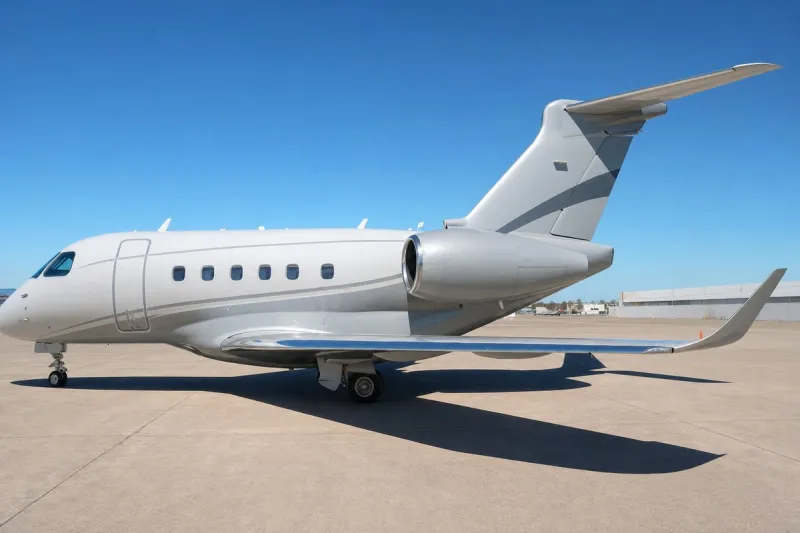
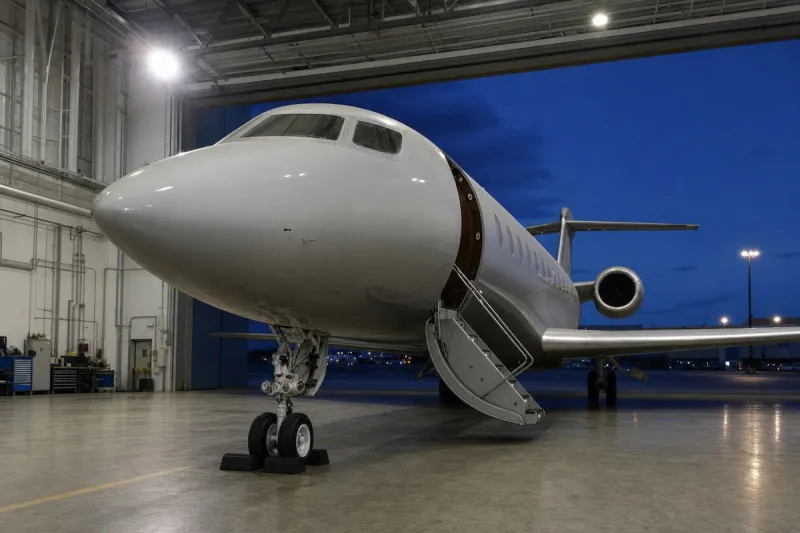
The Rolls-Royce Pearl 10X-powered Falcon 10X first flew on June 19 this year, after the engine logged 25+ flights on a modified Boeing 747, and the Falcon 10X is expected to enter service late next year. Rolls-Royce also developed a £1 billion Trent 1000 Durability Enhancement Package to solve severe reliability problems in the hot, sandy Middle East, introduced in two phases in early 2025 and that June, with retrofits intended to double the engine's time on wing. As of March, Safran leads the new TAKE OFF project for the EU's Clean Aviation program, coordinating 25 European partners including Airbus and Avio Aero. Building on the OFELIA project, TAKE OFF aims to improve technologies for the Open Fan engine architecture, and Clean Aviation has given the group €100 million in funding.