Jet fuel and avgas differ by engine type; fuel capacity ranges from 50-60 gallons in a Cessna 172 to about 57,000 in a Boeing 747-400
Why It MattersFuel burn and fuel prices feed directly into charter quotes, so the cost gap between a light jet and an ultra-long-range aircraft shows up in what clients pay.
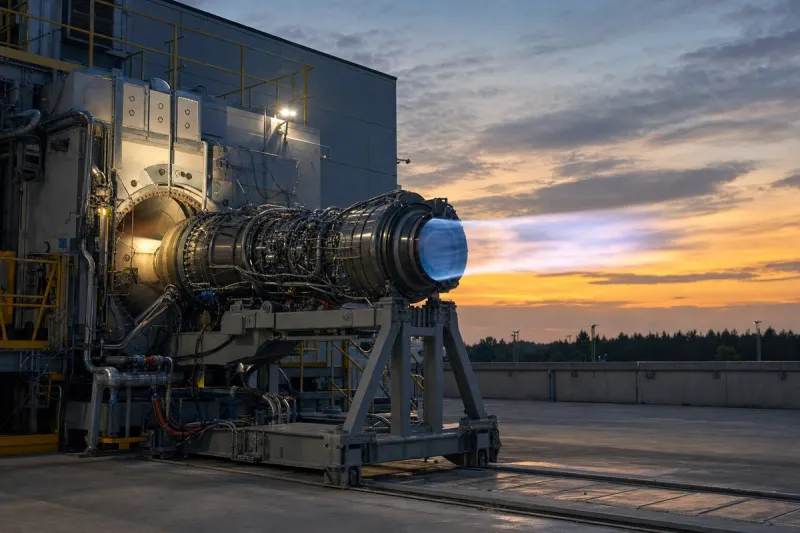
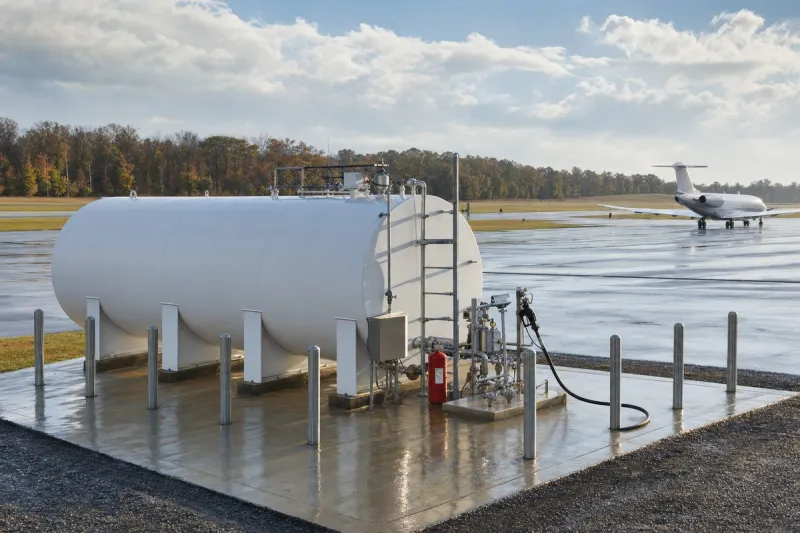
Aircraft use one of two fuel families, depending on engine type. Kerosene-based jet fuel (Jet A, Jet A-1 and Jet B) powers turbine engines in commercial aircraft, most business jets, turboprops and many helicopters. Aviation gasoline (avgas) powers spark-ignition piston engines in trainers and small general-aviation aircraft. The two are not interchangeable, and putting jet fuel in a piston engine can cause catastrophic engine damage. Operators use color-coded nozzles and labeling to keep them separate.
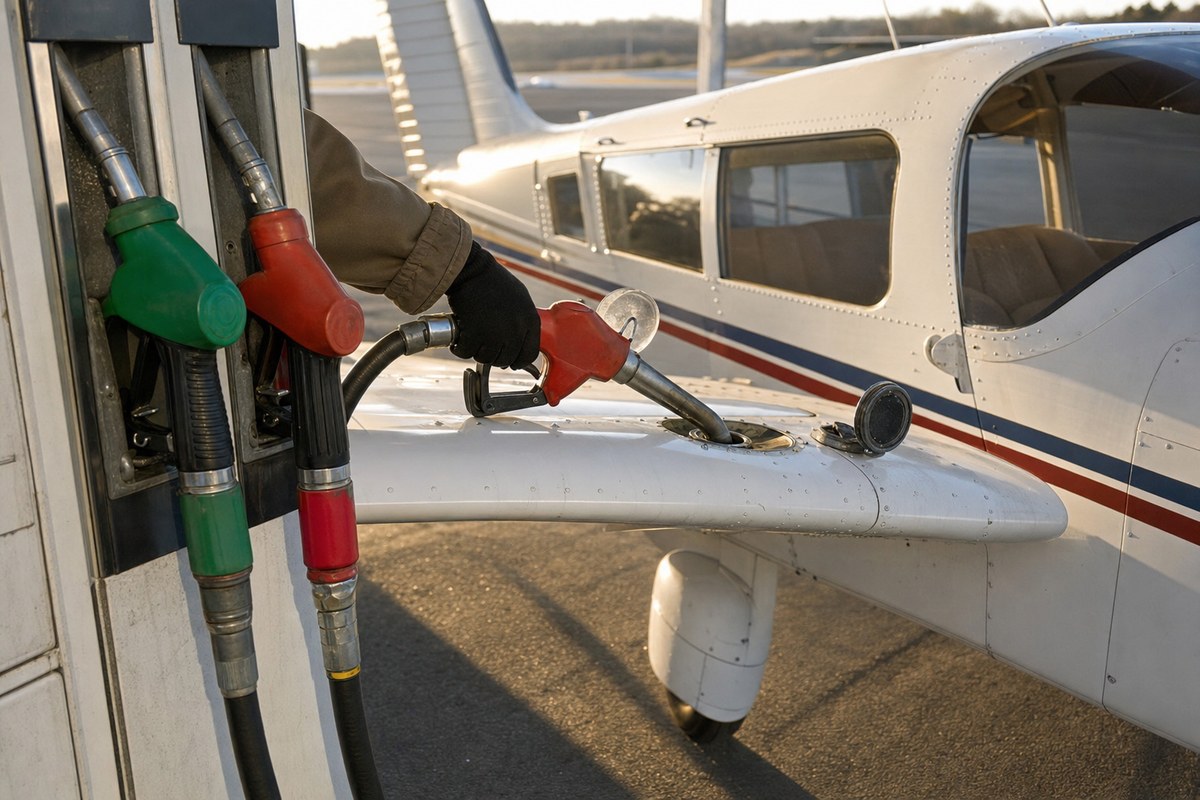
Jet A, the most common grade in the United States, meets ASTM D1655 and has a freezing point of −40°C. Jet A-1, the international standard, freezes at −47°C, has a minimum flash point of 38°C and typically includes additives such as static dissipators. Jet B, a naphtha-kerosene blend with a freezing point of −60°C, is used mainly in cold climates and by some military aircraft; its lower flash point raises ground-handling risk. The most widely used avgas grade, 100LL, has an octane rating of 100, contains low levels of tetraethyl lead and is dyed blue.
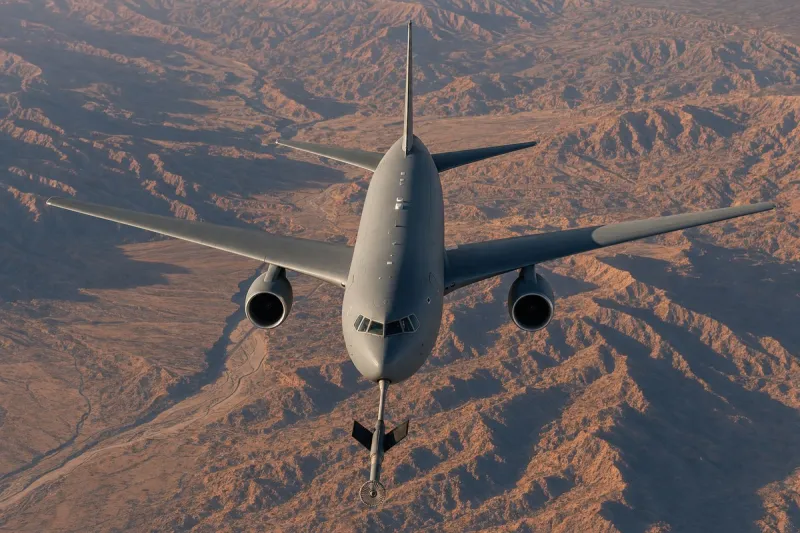
Fuel capacity varies widely. A Cessna 172 holds roughly 50-60 gallons of usable fuel. Many midsize private jets carry 1,000-2,500 gallons, and a Gulfstream G650 holds about 6,600 US gallons, giving a non-stop range of roughly 7,000 nautical miles. A Boeing 737 carries about 6,000-7,000 gallons and a Boeing 747-400 about 57,000 gallons. Typical hourly burn rates are about 80 gallons for a turboprop, 120-190 for a light jet, about 250 for a midsize jet and 450-500 for an ultra-long-range jet. Fuel burn and current jet fuel prices are key inputs to private jet charter quotes.
Sustainable aviation fuel (SAF) is an emerging alternative that aims to balance engine performance, safety and environmental impact, with regulatory mandates pushing adoption through 2050.