Airco Opens Bucks County Plant to Make Synthetic Jet Fuel From CO2 and Water, With US Military Backing
Why It MattersMilitary-backed CO2-to-fuel units point to a new route for synthetic jet fuel supply outside refinery-based sourcing, though output at this scale remains far from commercial aviation volumes.
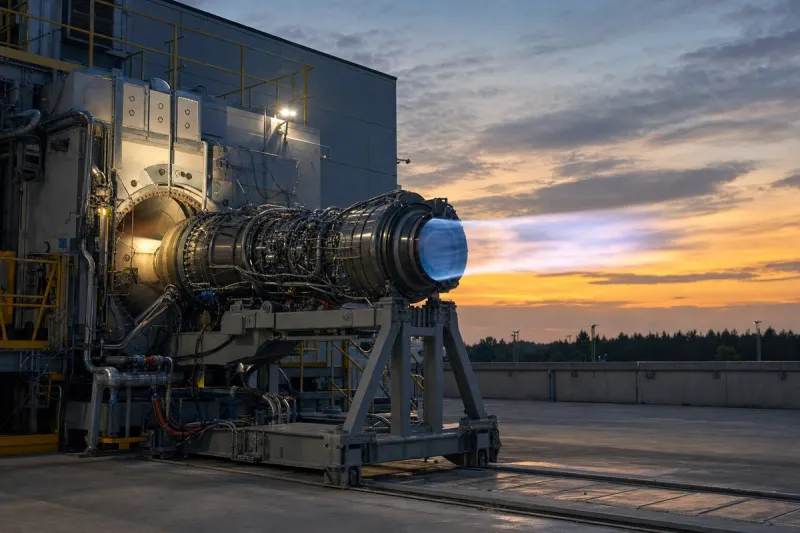
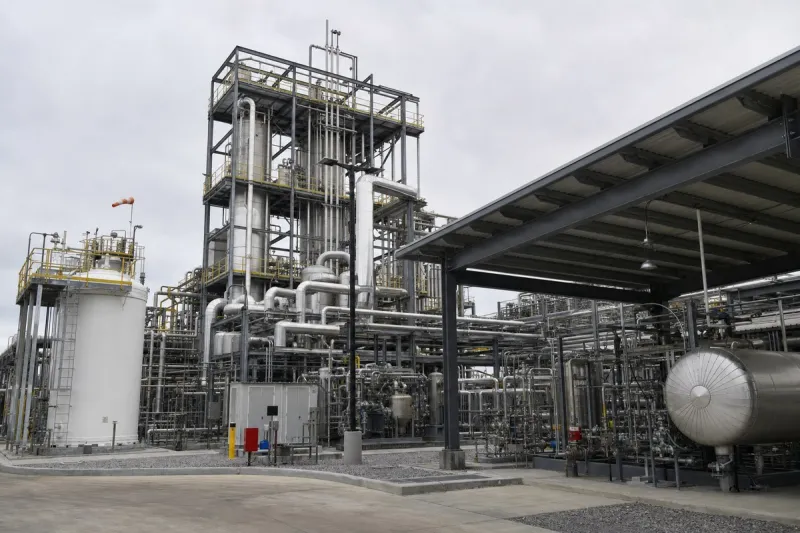
Airco, a Bucks County, Pennsylvania company, unveiled a new manufacturing facility at a New Britain industrial park on Oct. 28, 2026. The facility uses a system that combines carbon dioxide and hydrogen to generate synthetic fuels, including jet fuel and diesel. CEO Greg Constantine said the company plans to build compact, mobile units, packed into four or five shipping containers, that the U.S. military can install anywhere in the world.
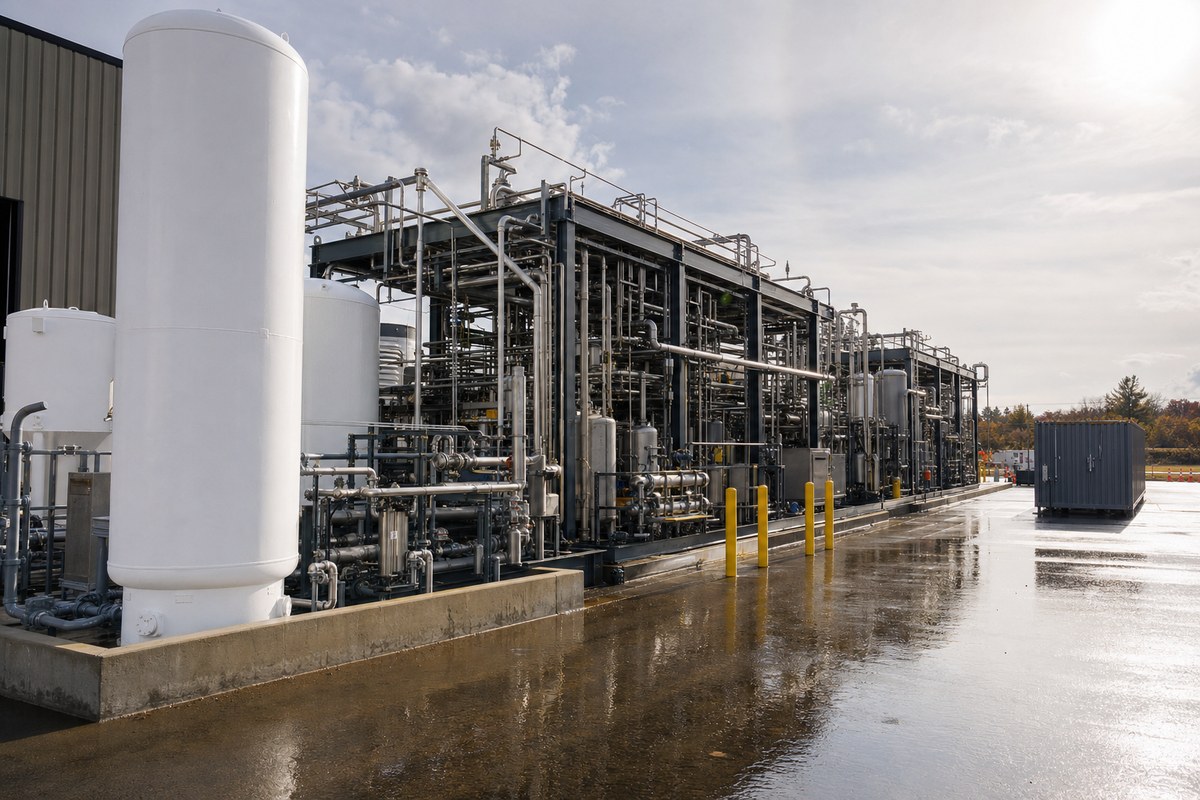
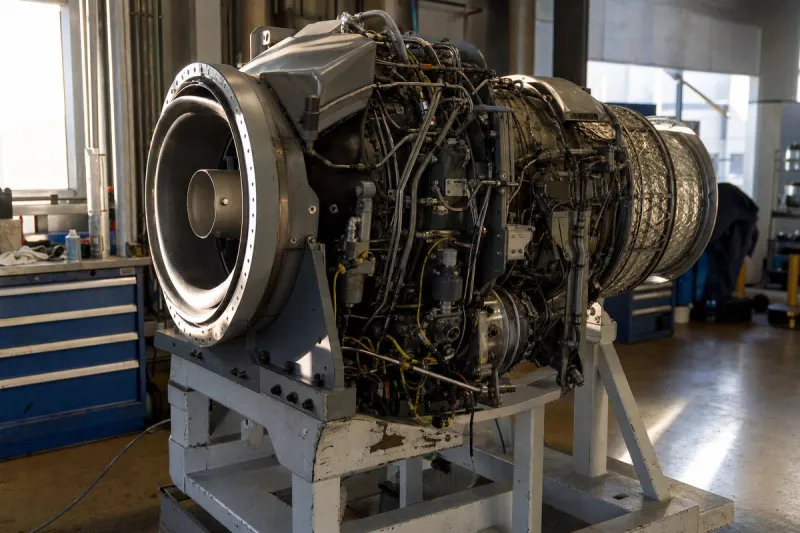
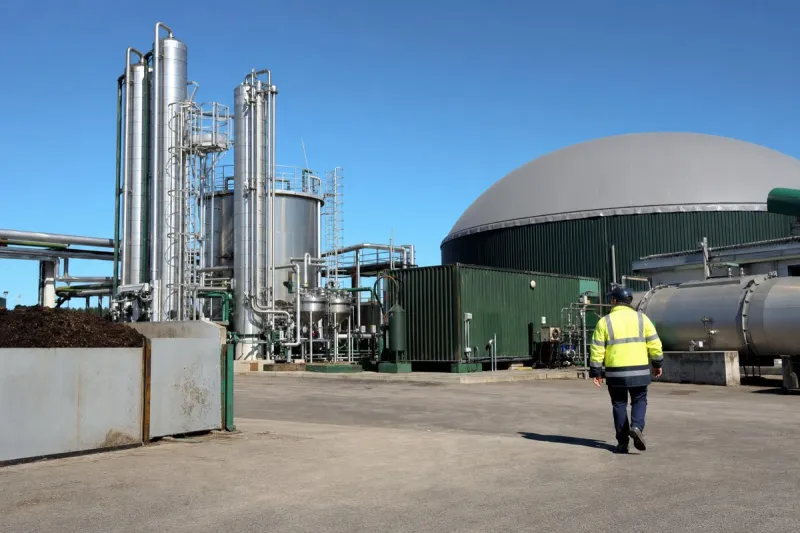
At the plant, Airco uses purchased CO2 in tanks and hydrogen produced on site by electrolysis of water. They are combined with a patented metal catalyst developed by the company, producing a dark crude liquid that is then purified through distillation. The New Britain plant makes about 90 gallons of crude liquid per month, finished into about 40 gallons of diesel. Once the first commercial unit is installed on a site, it is expected to produce about 1,000 finished gallons monthly, according to Nicholas Steinke, Airco's director of government defense programs.
The nine-year-old company was founded in Brooklyn and moved to Bucks County over the past year. The U.S. government is supporting it with $80 million in contracts and funding, and Airco reports a further $110 million from airlines, Toyota Ventures and other investors. Constantine said the Air Force, Navy and Army have tested the fuels and that the first deployment on a government site is expected next year. Other firms pursuing CO2-to-fuel include Infinium, whose Texas plant makes fuel for Amazon delivery trucks, and Twelve, which generates jet fuel for commercial airlines.
U.S. Rep. Brian Fitzpatrick helped cut the ribbon and said the technology could reduce vulnerabilities and give service members greater flexibility. Constantine said the system can run on any electricity source, including solar, geothermal or shipboard nuclear reactors, and called the process carbon negative in production and carbon neutral once burned. Sarah Gleeson, a materials scientist at Project Drawdown, said the overall climate impact will likely depend on the source of electricity powering carbon capture and electrolysis.