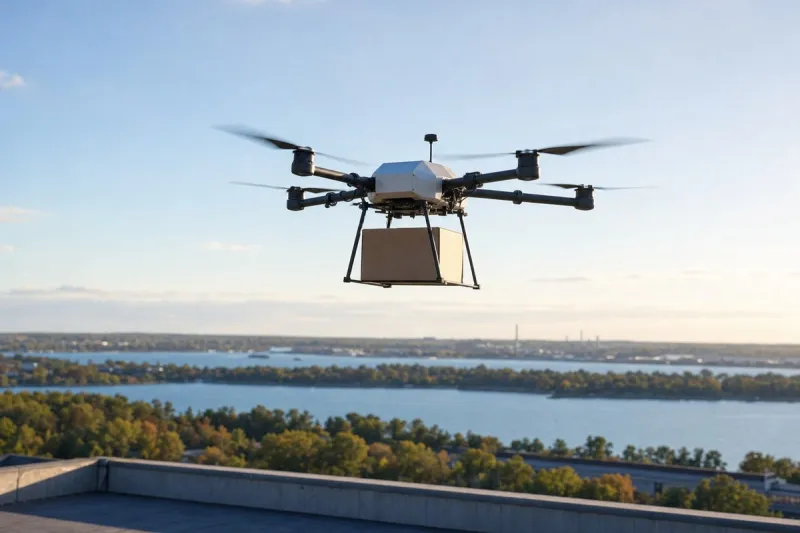
Ribbit and NRC demonstrate autonomous helicopter, airplane and virtual drones teaming on mock search-and-rescue mission near Ottawa
Why It MattersMixed-platform autonomy under a single mission commander points to autonomy being sold as coordinated mission capability across aircraft types, with safety pilots still defining how far such operations can go today.
What happened
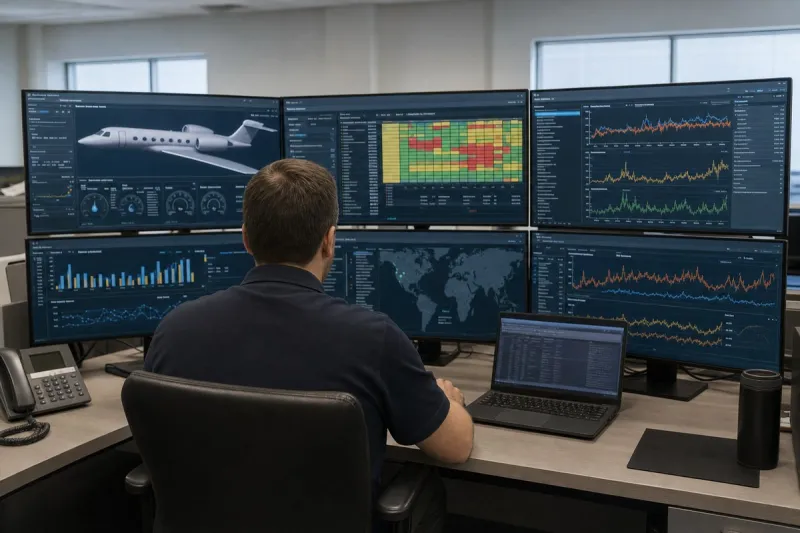
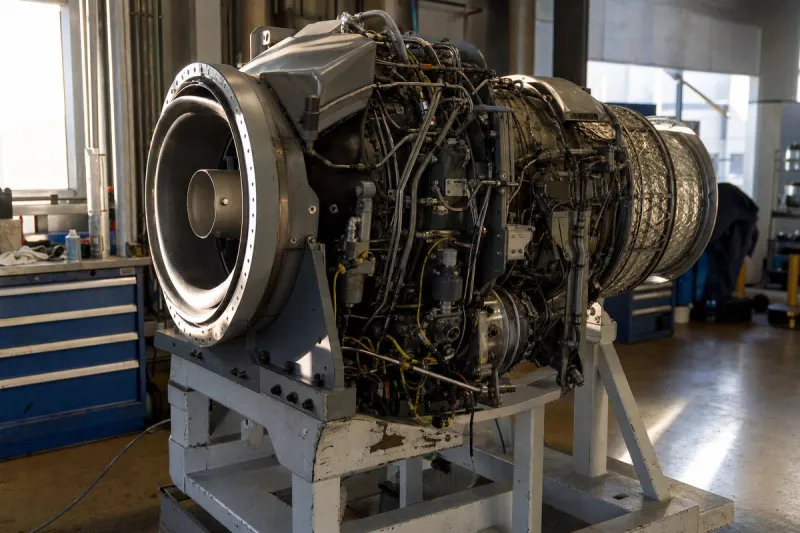
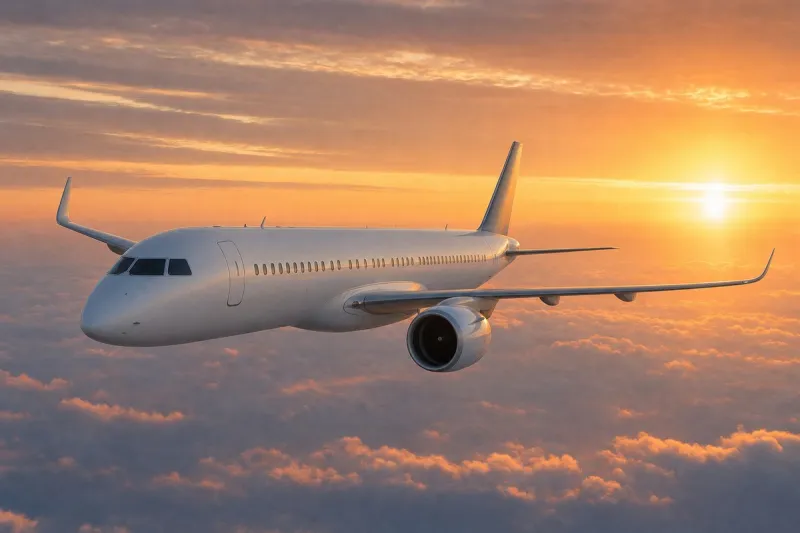
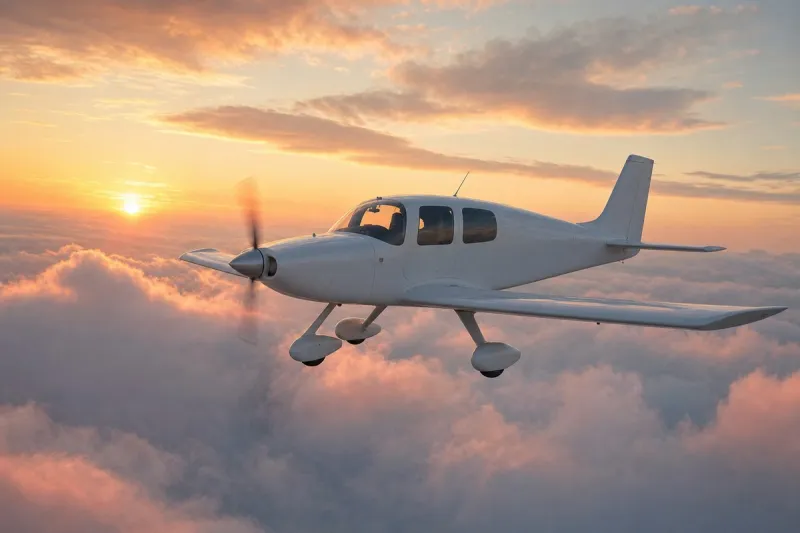
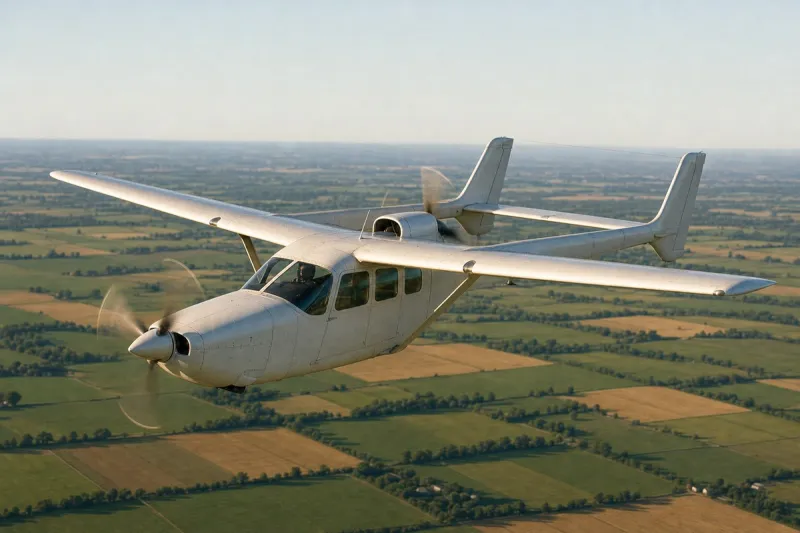
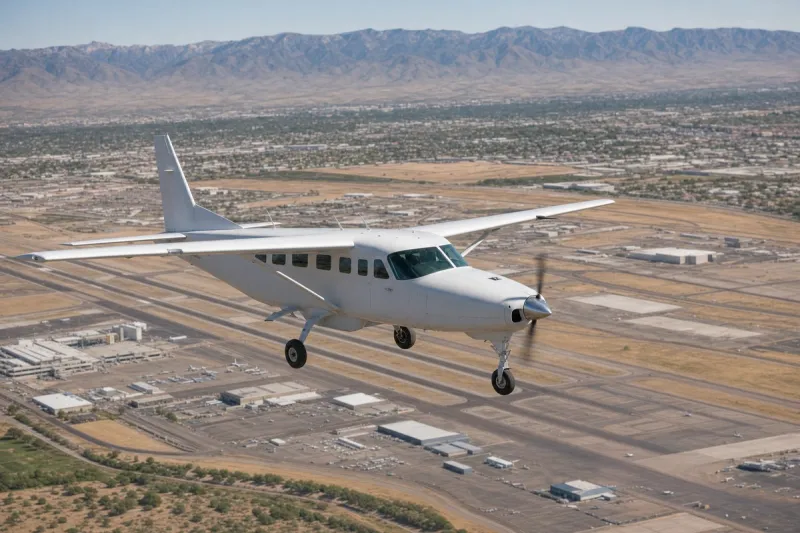
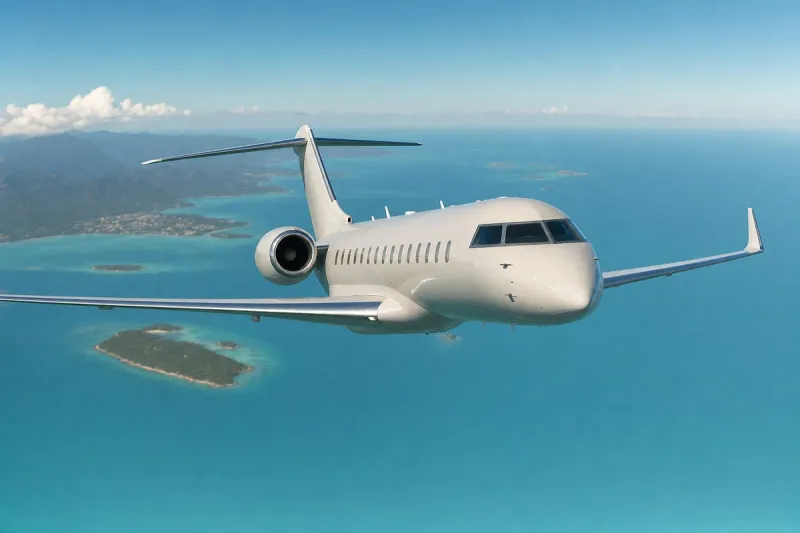
Ribbit announced on Oct. 27, 2026 that in May 2026 an autonomous Bell 412EP helicopter operated by the National Research Council of Canada (NRC), an autonomous Cessna 150 airplane operated by Ribbit, and multiple virtual drones carried out a mock search-and-rescue mission near Ottawa. The company said it was the first time a helicopter, an airplane and virtual aircraft had achieved a shared goal through mission and platform autonomy commanded by a single human.
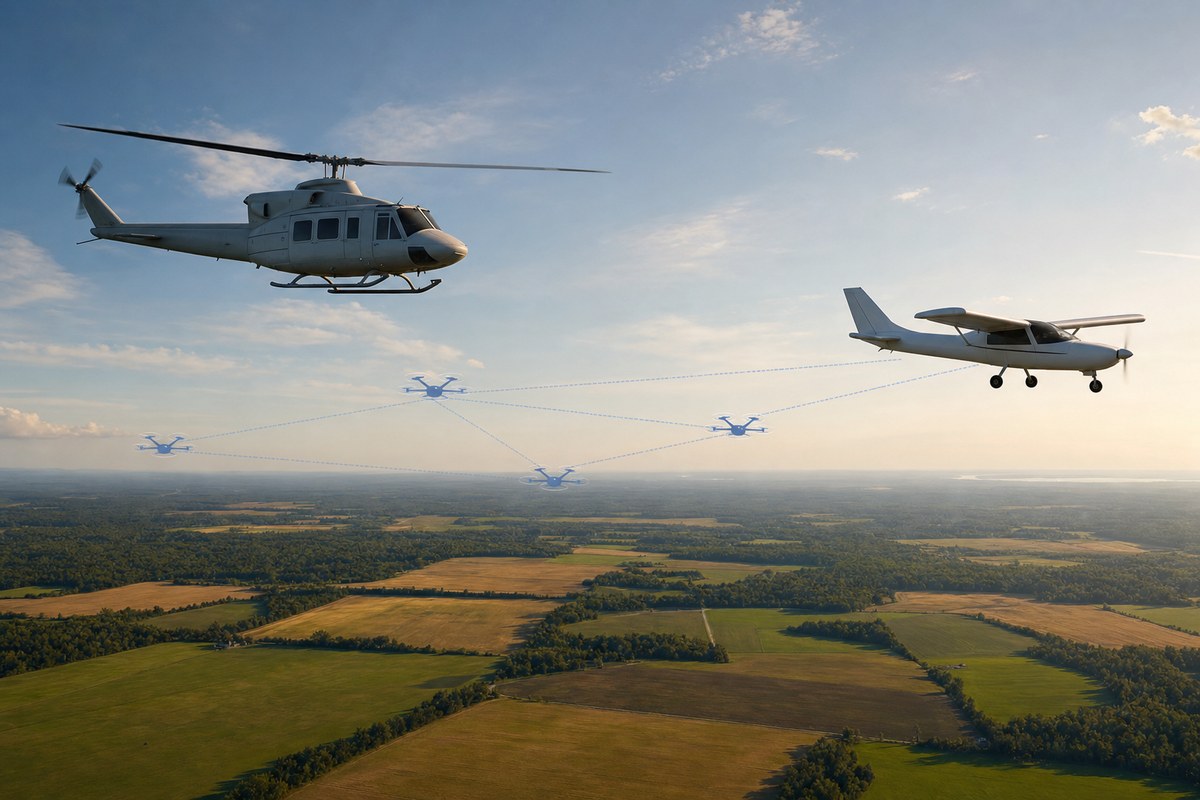
The airplane flew search patterns for a missing person, updating and modifying its flight plans based on a common operating picture. Once the person was located, the helicopter performed a casualty evacuation while the airplane continued to provide situational awareness from above. Virtual drones were also part of the search team.
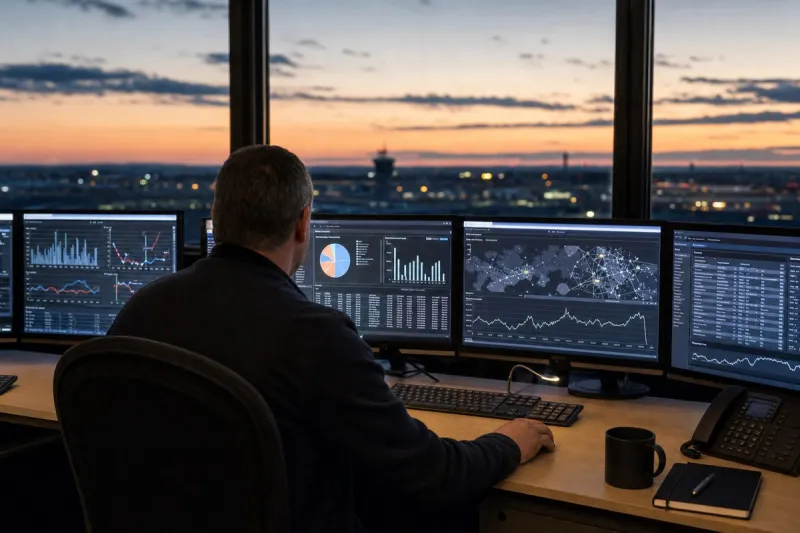
Safety pilots were on board the airplane and helicopter, while all flights were executed autonomously under the direction of a single mission commander controlling all assets. The milestone was achieved with the NRC's new Drone Innovation Hub, where Ribbit is developing a Canadian capability in fixed-wing autonomy; Ribbit's capabilities were combined with the NRC's rotary-wing autonomy capabilities.
The work follows more than three years of collaboration in which Ribbit has been contracted to test its autonomous technology for dual-use missions across joint operations, tactical aviation and public safety. Derek Gowanlock, Program Director for Aurora Shield at the NRC, said the effort showed autonomous aircraft working together toward a shared mission. Founded in 2020, Ribbit builds and operates autonomous airplanes for civil, humanitarian and defence customers, and in 2023 it performed what it describes as Canada's first hands-free round-trip flight.
Industry impact & what to watch
The notable shift in this demonstration is the unit of autonomy. Earlier efforts typically automate a single aircraft; here the tasking, replanning and handoff between a fixed-wing aircraft, a helicopter and simulated drones were handled at the mission level, with one human setting objectives for all of them. For search-and-rescue and other public-safety work, the commercial value sits in that coordination layer, because the same mission software can in principle sit above different airframes.
The structure of the exercise also shows where regulation and risk still sit. With safety pilots aboard both real aircraft, the flights remain a test activity rather than a capability that can be fielded without crew. Segments that buy this kind of technology, such as public-safety agencies and defence customers, generally judge it on whether the autonomy can be certified and insured, not only on whether it works in a controlled exercise.
The next milestone worth tracking is any step that replaces the on-board safety pilots or swaps the virtual drones for physical ones, since either would show the mission-level approach holding up with more real hardware and less human backup.