Solenta Safety Manager Outlines How AI Can Extend Safety Management Systems from Reactive to Predictive
Why It MattersThe talk signals operators moving safety management from threshold-based alerts toward pattern detection across pooled data, which raises questions about data quality, reporting trust and cross-organisation information sharing.
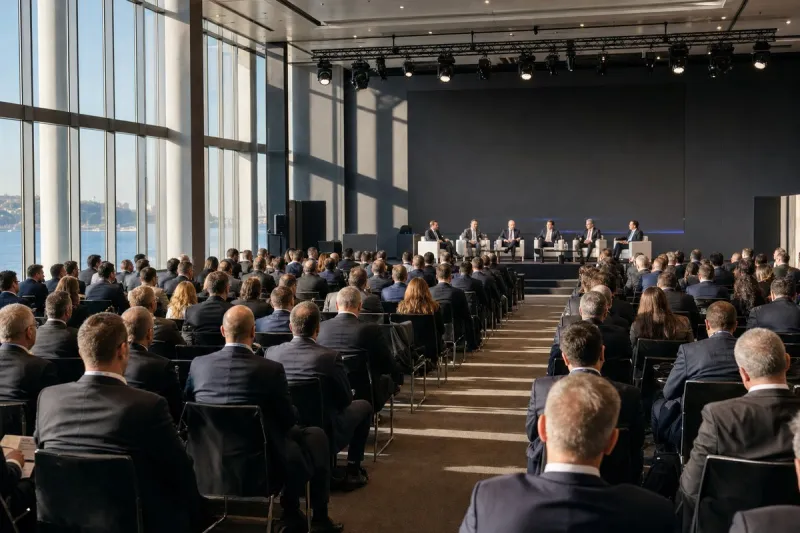
At AAD 2026, Vaughn Gruneberg, Manager, Flight Safety & OHSE at Solenta, set out how artificial intelligence (AI) can extend safety management systems (SMS) from reactive toward predictive and, eventually, adaptive operation, while accountability for each decision remains with the people who make it. He said aviation safety was long predominantly reactive, with an occurrence prompting an investigation and corrective action, and that SMS moved the discipline upstream by asking what hazards were already present. In his view, AI extends the reach of SMS rather than replacing it.

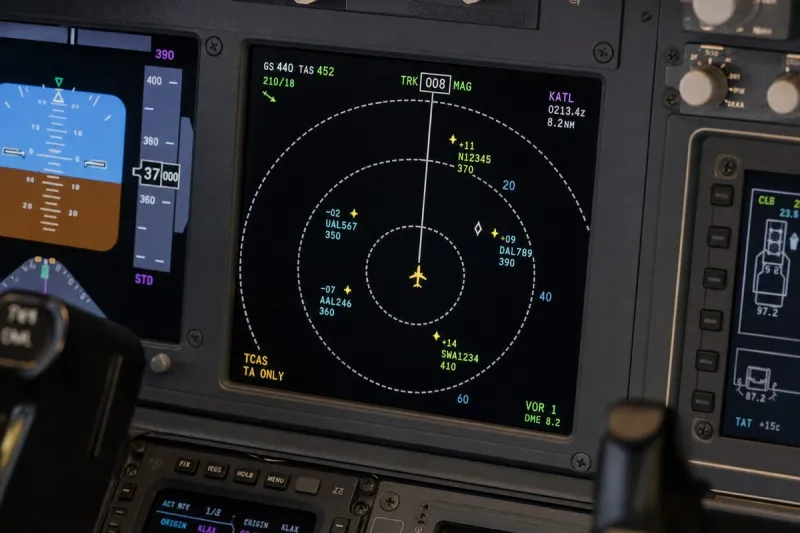
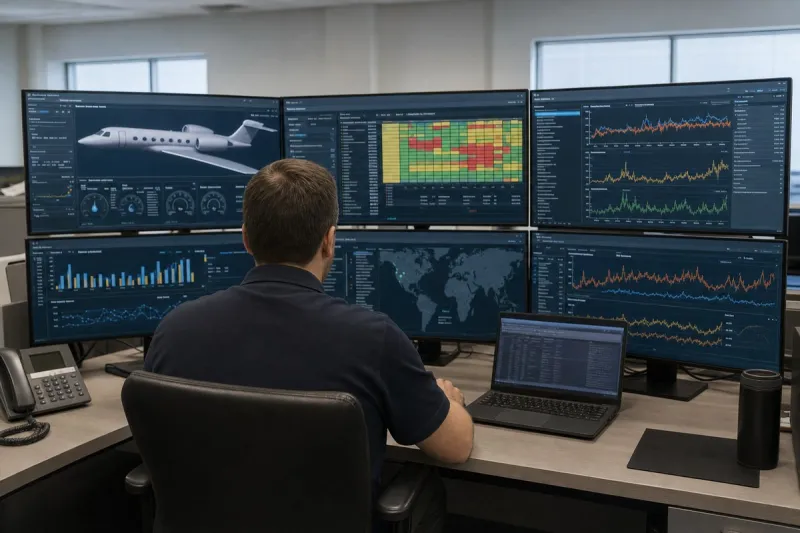
Gruneberg reduced AI's contribution to four functions: detect, connect, forecast and translate. Detection finds weak signals among thousands of events, connection links seemingly unrelated information, forecasting shows where exposure is rising before a threshold is crossed, and translation turns large volumes of unstructured information into something people can use. In flight data monitoring, he proposed asking what tends to happen before instability develops, looking at energy state changes, weather, airports, pilot duty periods, aircraft variation and clusters of events that have not exceeded current thresholds. His hypothetical example was three unstable approaches at the same airfield, in similar weather and at a similar point in the duty period, none of which would trigger an alarm individually.
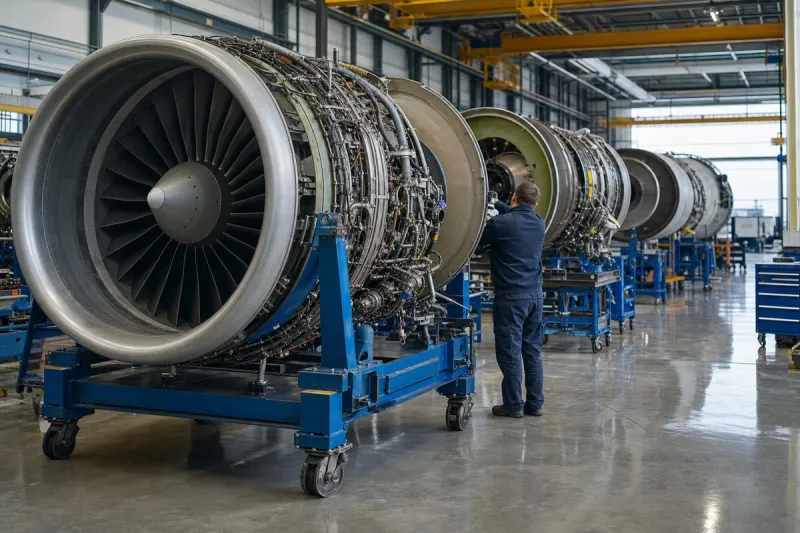
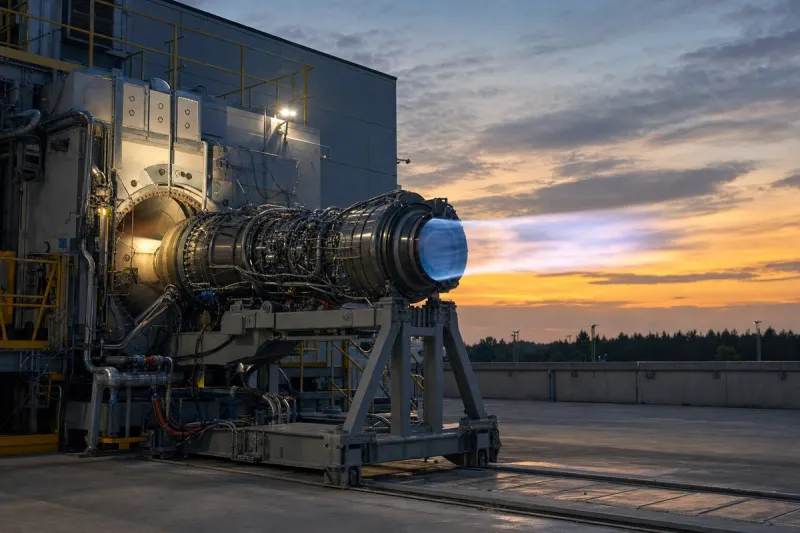
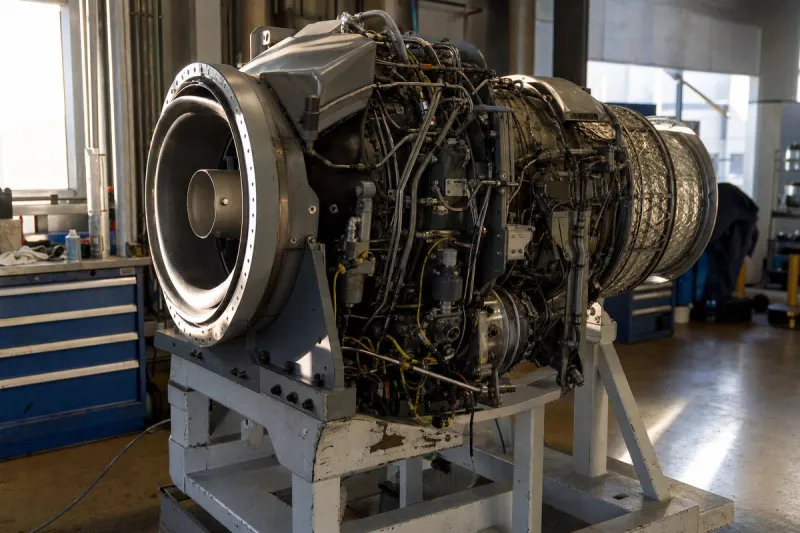
In engineering, small changes in vibration, temperature, oil pressure or oil temperature, consumption and recurring minor defects say little individually but together can indicate deterioration earlier; the engineer still makes the technical decision. For safety reports, AI can suggest classifications, identify common themes, find similar reports and propose investigator questions, though he drew a line at just culture outcomes. On fatigue, he warned of a fine line between understanding system exposure and creating individual surveillance, and said trust in the reporting process is itself a safety control, since predictive systems depend on what people choose to report.
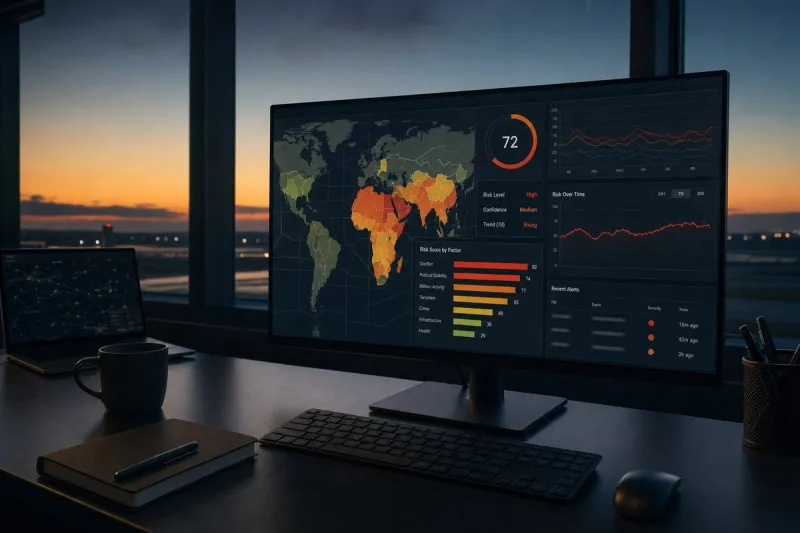
Gruneberg separated compliance, which tells an operator whether it can operate, from risk management, which asks whether it should. He said an operator seeing more bird activity, another recording go-arounds and an airport receiving wildlife incursion reports each hold part of one risk picture. He was equally direct that AI creates hazards of its own: bad data produces bad outputs, historical data can contain bias, convincing answers can be wrong, automation bias can erode challenge, and connecting more information increases cyber, privacy and data protection exposure. From an SMS perspective, he said, AI should be treated like any other hazard source, with hazards identified, risks assessed and controls put in place, starting with clean data, an agreed taxonomy and defined ownership.