NTSB Preliminary Report: Yosemite Firefighting Helicopter Crashed After Third Water Pickup on Dome Fire; Both Pilots Killed
Why It MattersAerial firefighting contracts depend on external-load equipment such as water buckets and release hooks, so bucket-related anomalies mid-mission become a systemic question about maintenance checks and return-to-service decisions under operational pressure.
What happened
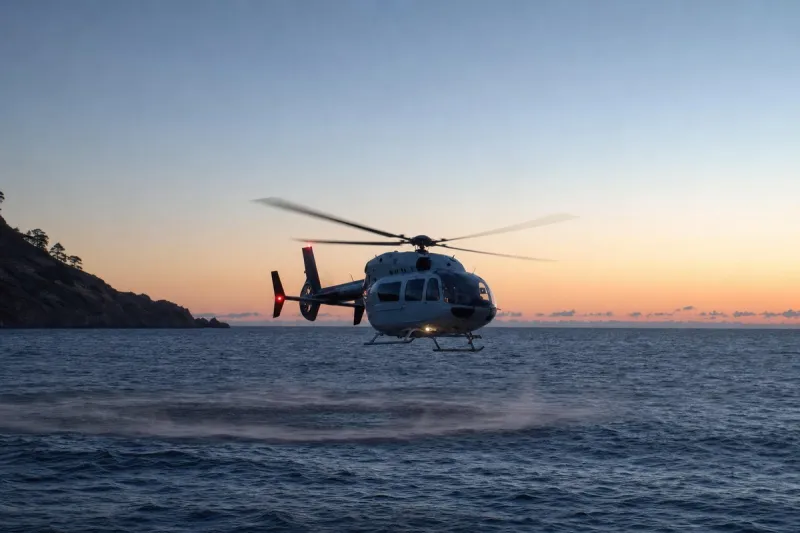
The National Transportation Safety Board has released a preliminary report on the Sept. 20 crash of a contracted Eurocopter AS32 Super Puma firefighting helicopter in Yosemite National Park during the Dome Fire. Both pilots aboard, Ryan Cutter of Utah and Greg King of Alaska, were killed.
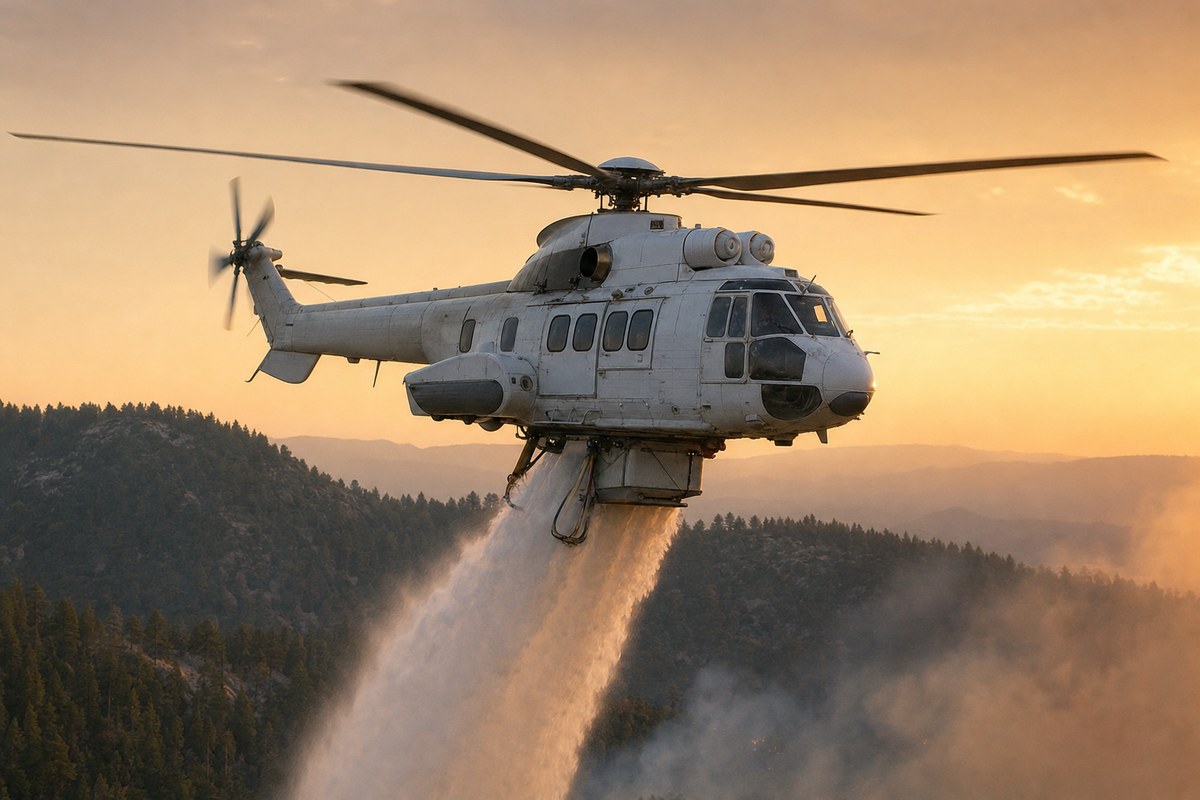
According to the NTSB, the helicopter had been airborne for nearly three hours and had completed more than 25 water drops before the accident. The crew had experienced problems with the helicopter's 800-gallon water bucket. At one point the helicopter returned to the helibase so mechanics could tighten the bucket's air pressure regulator and perform a pressure check of the system. Shortly afterward, the crew received a request to return to firefighting operations.
Using flight data and cellphone video recorded from the ground, investigators determined the helicopter completed two more water drops before crashing after a third trip from Ostrander Lake. Imagery showed the first drop proceeded with the bucket remaining above the tree canopy. During the second drop, the water release caused the helicopter to swerve to the left; it then continued operations and returned to the lake for a third water pickup. Video screenshots showed the bucket descending vertically with water still coming from the bottom before it struck the ground.
Investigators said the cargo hook was released, allowing the line to fall. The helicopter then appeared to move forward and, seconds later, struck trees below and crashed. The cargo hook was found in the locked position, a condition investigators said was consistent with a normal electronic release rather than a manual release. The water bucket was found about 90 feet from the main wreckage. Most of the helicopter was consumed by post-impact fire, and all meaningful data from the cockpit was destroyed.
Industry impact & what to watch
Firefighting helicopters work in a repetitive cycle of external-load pickups and drops, which makes the bucket, its regulator and the cargo hook part of the aircraft's flight-critical chain even though they are attached equipment. When a crew reports a problem with that equipment and it is addressed between sorties, the interval between a ground fix and the next tasking is short, and the decision to resume work sits in a high-tempo environment where fire demand is constant.
The preliminary findings point to the bucket as a likely focus. ABC News aviation analyst John Nance described it as either part of the problem the crew was experiencing or an impediment to regaining the flight control needed, and said he saw no evidence in the early findings that the crew should not have gone back out on the final run. For contractors and agencies, the pattern at issue is how equipment faults are verified after a mid-mission repair.
The next milestone is the full NTSB report, which Nance expects could take about a year. With cockpit data destroyed by the post-impact fire, the final analysis will rest on the flight data, ground video and wreckage evidence already cited.