Coffin Corner, Clear Air Turbulence and Hypoxia: The Main Risks Pilots Face Above 40,000 Feet
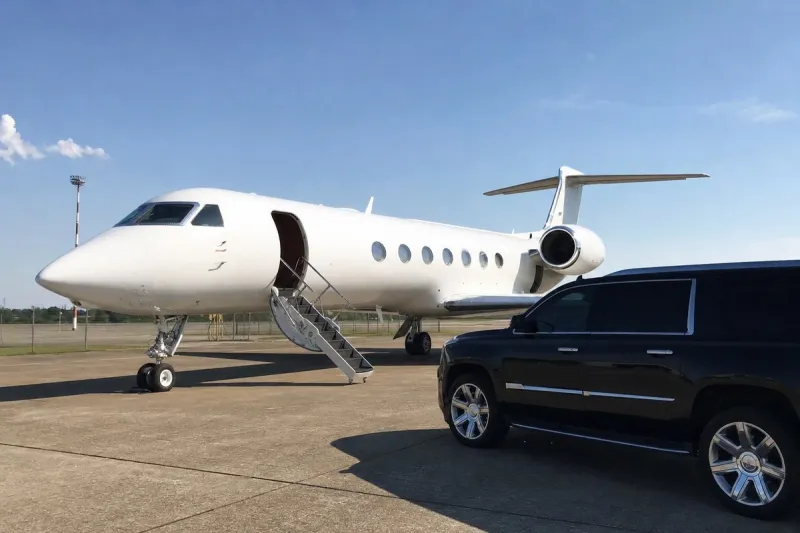
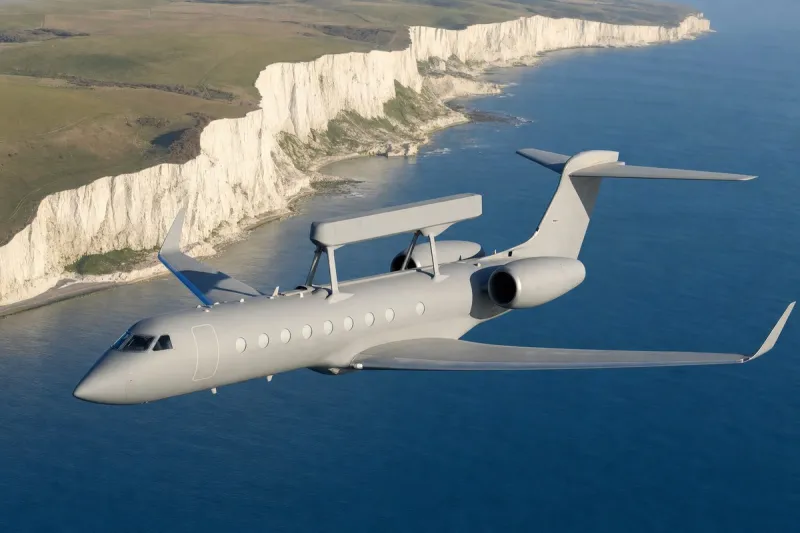
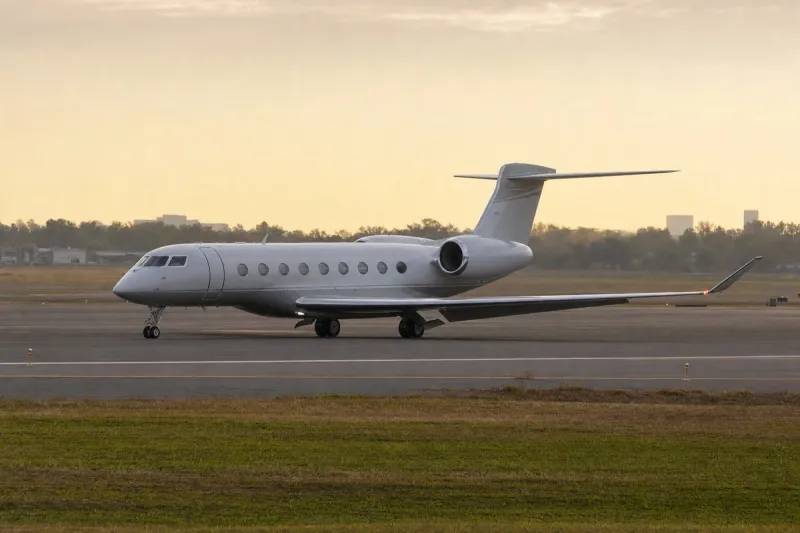
Why It MattersHigh-altitude cruise limits shape how crews are trained and how operators choose cruise levels, which matters most for business jets that routinely fly above commercial traffic.
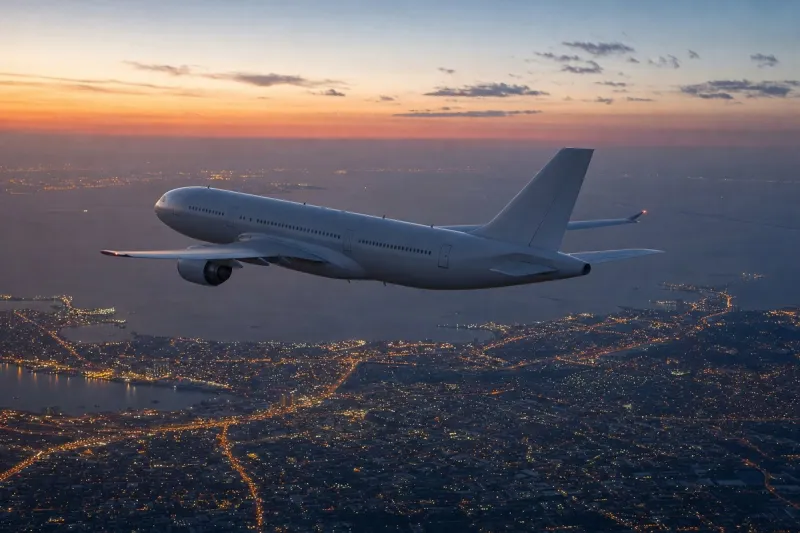
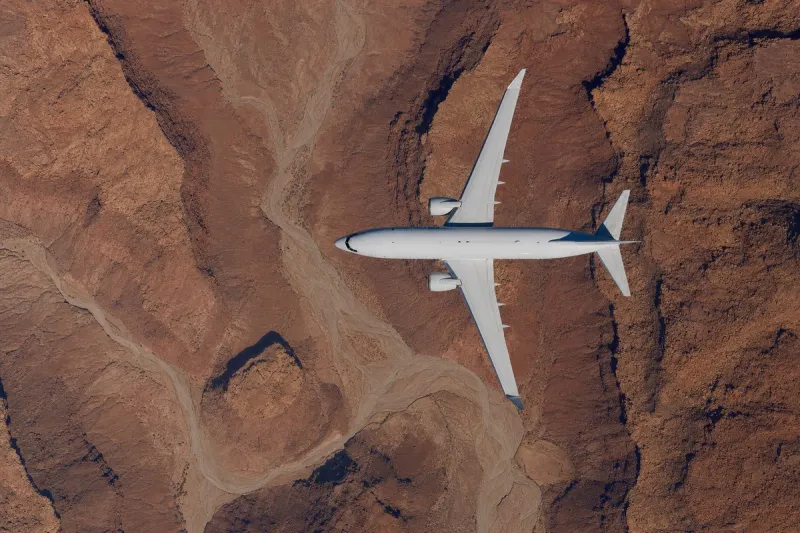
Aircraft routinely cruise above 40,000 feet (12,192 meters), where aerodynamic performance, aircraft systems and human physiology all approach critical limits at once. The "coffin corner", also called "Q corner", is the high-altitude region where the low-speed stall boundary nearly meets the high-speed critical Mach boundary, leaving only a narrow safe speed range. It arises because air density falls with altitude, so an aircraft must fly at a higher true airspeed to generate enough lift, while the speed of sound decreases as temperature drops. Flying too slowly causes airflow separation and an aerodynamic stall; flying too fast causes shock waves over parts of the wing and Mach buffet. The U-2 reconnaissance aircraft is often cited: at around 60,000 feet its pilots operate with as little as a six-knot margin between low-speed stall and high-speed limits.
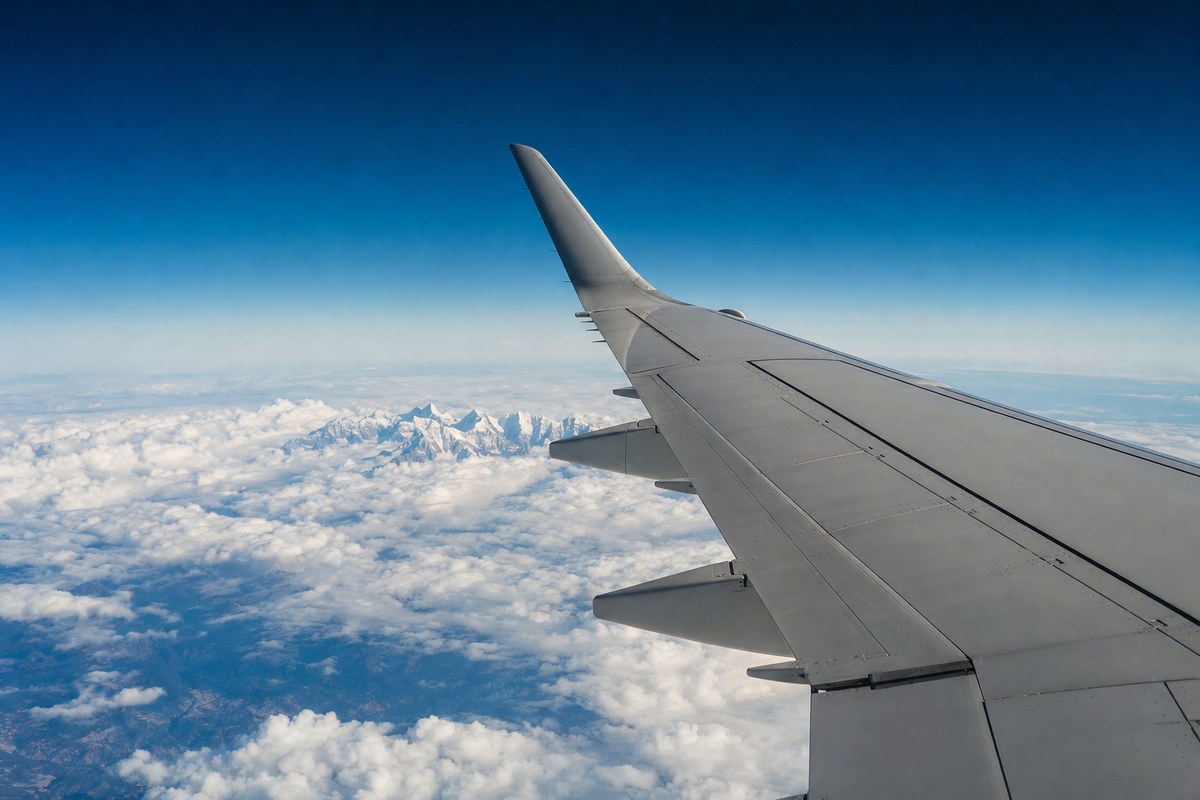
Weight matters because a heavier aircraft needs a higher angle of attack to maintain level flight, which raises stall speed and lowers the altitude at which coffin corner conditions appear. That is one reason long-haul flights use step climbs as fuel burns off. Manufacturers must demonstrate a minimal maneuvering margin at maximum operating altitude, and flight manuals contain buffet onset charts based on weight, altitude and atmospheric conditions that feed into cruise altitude selection. Near the ceiling, any maneuver that raises load factor, even a shallow banked turn, raises stall speed, while accelerating risks approaching Mach buffet limits. Thinner air also reduces control surface authority, so abrupt inputs can cause larger-than-expected deviations. In upset recovery, excessive pitch input can induce a stall and aggressive acceleration can push the aircraft into Mach buffet, so training stresses smooth inputs and careful energy management.
Clear air turbulence occurs in cloud-free air, cannot be detected by conventional onboard weather radar, and is most common between FL200 and FL450, often near jet streams, mountain waves and boundaries between contrasting air masses. Near coffin corner, a sudden vertical gust changes angle of attack almost instantly and may push an aircraft with a limited speed margin into low-speed buffet or briefly beyond critical Mach conditions. Violent encounters have occasionally caused altitude excursions, injuries and temporary loss of control even in advanced airliners.
The physiological risk is equally serious. After sudden decompression at 35,000 feet, useful consciousness may last less than one minute, and response time is even shorter above 40,000 feet. Early symptoms such as fatigue, lightheadedness, mild headache, impaired concentration or euphoria can be subtle. Pilots receive hypoxia awareness training, including altitude chamber exercises, and airline cockpit quick-donning oxygen masks are designed to be secured within seconds.