FAA Proposes Mandatory Inspections of 980 Airbus Helicopters Over Servo-Control Lock Washer Issue
Why It MattersInterim inspection mandates that regulators issue while a manufacturer develops a design fix push recurring labour and parts costs onto operators, with repair scope depending on what each inspection finds.
What happened
The U.S. Federal Aviation Administration has proposed mandatory inspections of 980 Airbus helicopters after identifying a problem that could cause a main rotor servo-control connection to separate in flight. The issue involves a lock washer that can lose its ability to maintain proper tightening torque because of paint or protective coating on its surface.
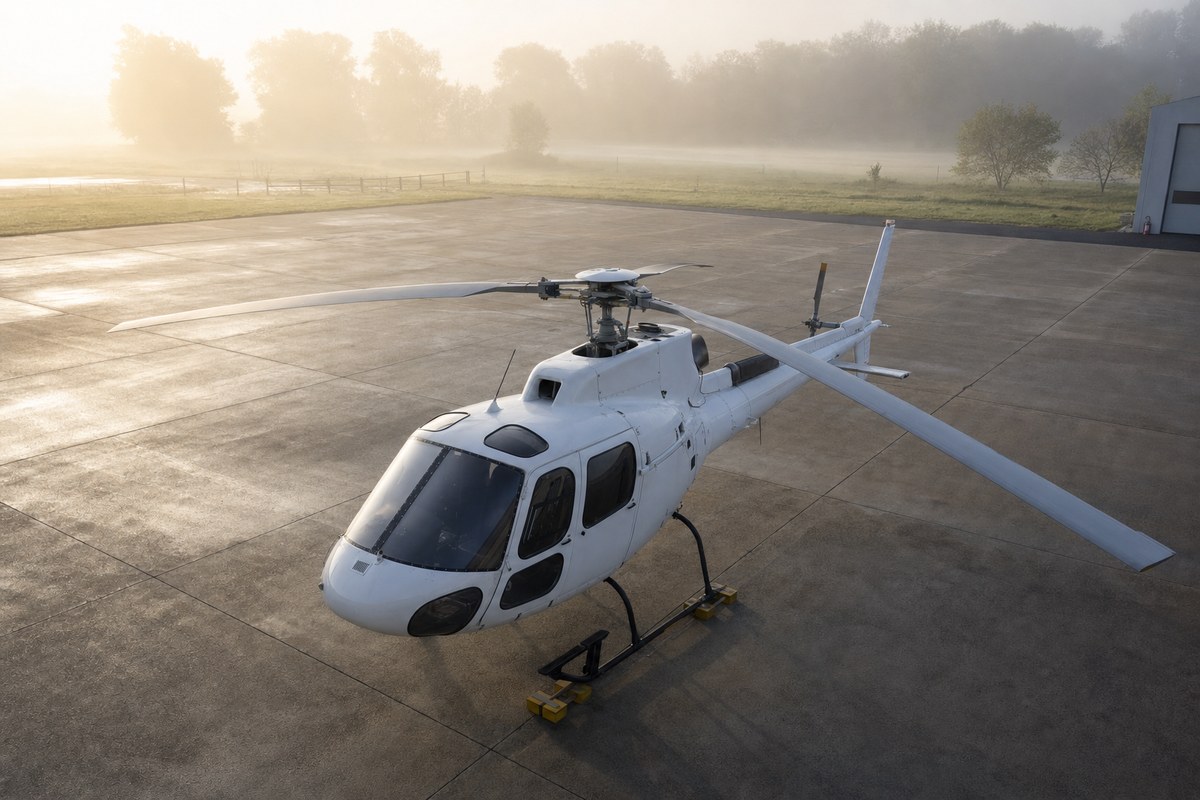
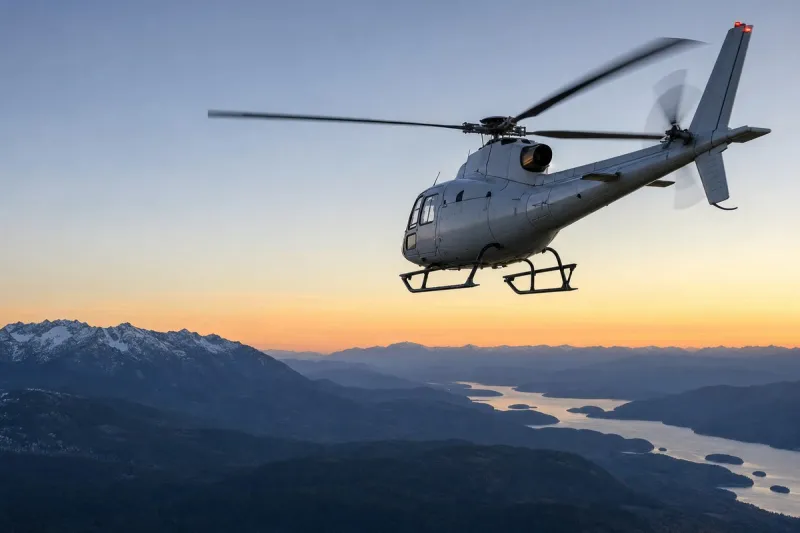
The proposal, published Monday, covers several variants of the AS350, AS355 and EC130 helicopter families. Affected models include aircraft commonly used for firefighting, law enforcement, sightseeing and emergency medical services.
Airbus issued service bulletins addressing the problem in April, and European regulators made inspections mandatory in July. The proposal follows earlier concerns involving main rotor servo-control connections on Airbus Dauphin and EC155 helicopters. In 2025, the FAA ordered inspections after two reports of lost tightening torque, including one case in which the connection separated. Investigations identified paint on a lock washer as the underlying cause, and European regulators expanded their inspection requirements.
The FAA stated: "The unsafe condition, if not addressed, could result in the disconnection of the upper ball bearing end from the MR servo-control and loss of control of a helicopter." The proposed inspections would cover all three main rotor servo-controls, followed by additional checks after affected components are removed and reinstalled. Depending on the findings, operators could face repairs ranging from cleaning threads to replacing entire servo-control assemblies. The FAA estimates initial inspection and reporting costs at $360 per helicopter.
According to the European Union Aviation Safety Agency's July directive, Airbus is pursuing a design change intended to eliminate the coating issue. Both agencies consider the current inspection requirements interim measures. The FAA is accepting public comments through Dec. 3.
Industry impact & what to watch
The sequence here shows how a single manufacturing-process fault travels through the certification system: a coating problem found on one helicopter family in 2025 became a wider inspection requirement across the AS350, AS355 and EC130 lines. Fleets that fly firefighting, law enforcement, sightseeing and emergency medical missions tend to run high utilisation, so any grounding or extended inspection downtime is felt directly in mission availability.
Because both regulators describe the inspections as interim, the cost to operators does not end with the first check. The inspection is cheap per aircraft at the FAA's estimate, but the follow-up checks after components are removed and reinstalled, and the possible range from cleaning threads to replacing whole servo-control assemblies, mean the real bill depends on what each aircraft turns up.
The next dated milestone is the close of public comment on Dec. 3, after which the FAA can finalise the requirement. The longer-term resolution is the Airbus design change aimed at eliminating the coating issue, which both agencies treat as the point at which the interim inspections could be replaced.