Iran Has Exported Some LPG and Jet Fuel Since July Despite US Naval Blockade, Shipping Data Shows
Why It MattersJet fuel leaving Iran under blockade shows that enforcement assessed vessel by vessel leaves gaps, and that sanctioned fuel can reach Asian buyers through ship-to-ship transfers when economic pressure grows.
What happened
Iran has managed to export some liquefied petroleum gas (LPG) and jet fuel since July despite a US naval blockade. Four people in maritime security who track Gulf oil movements told Reuters that Tehran has in recent weeks been concealing such cargoes among a growing volume of ship-to-ship transfers by other Gulf producers off Oman.
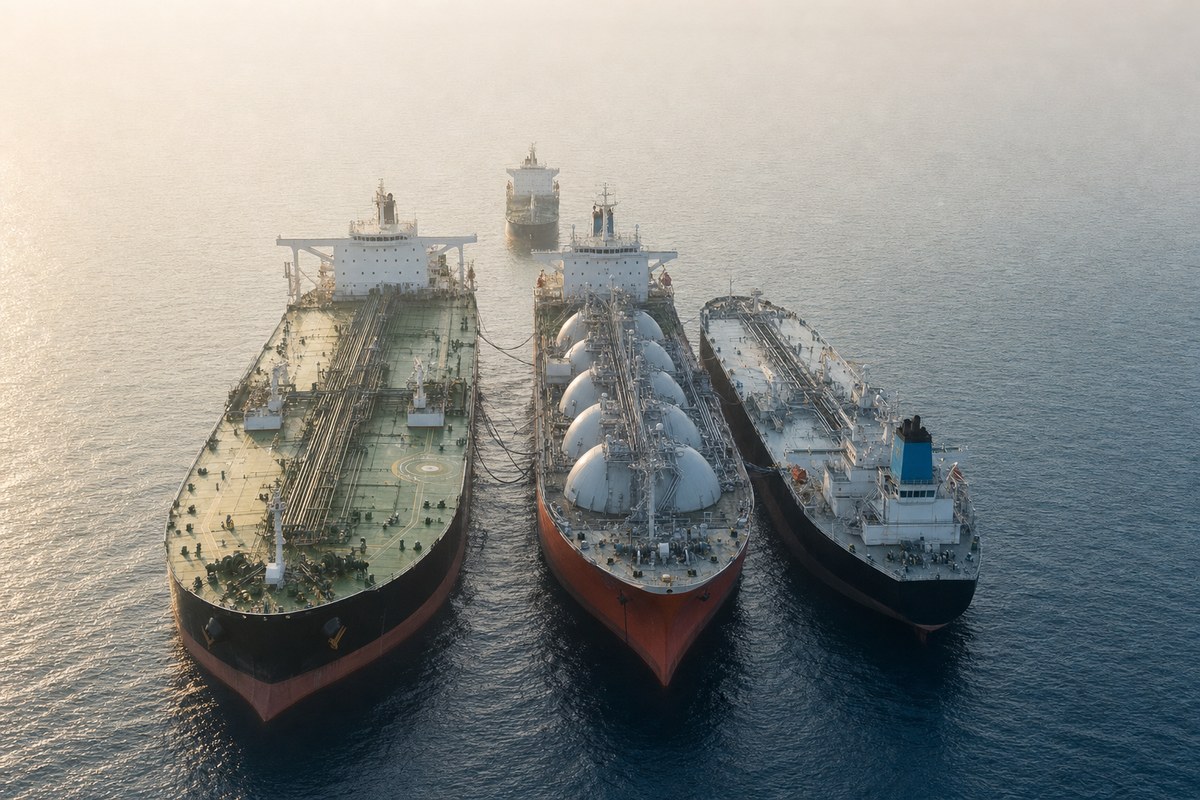
Analysis by the US advocacy group United Against Nuclear Iran (UANI), which monitors Iran-related tanker traffic using ship and satellite tracking, shows at least eight gas tankers carrying Iranian LPG have left the Gulf of Oman since mid-July. The total amount of the LPG cargoes was estimated at 4.1 million barrels. Another tanker carrying Iranian jet fuel reached Myanmar in September, according to satellite imagery and analysis by maritime intelligence group SynMax. Six of the eight gas tankers and the jet fuel tanker are under US sanctions for transporting Iranian petroleum and petrochemical products, a Reuters analysis of the vessels and US Treasury sanctions showed.
Some tankers transferred cargoes near the Omani coastal towns of Shinas and Sohar, while others waited in the Gulf of Oman before heading past the blockade. Most cargoes sailed to Malaysia's Eastern Outer Port Limits for further ship-to-ship transfers, likely bound for China, according to UANI's analysis. UANI senior research analyst Jemima Shelley said the overwhelming majority of tankers laden with Iranian products have been redirected by US forces, and that the shipments were driven "more by opportunism" than by a broader shift.
US Central Command (Centcom) first imposed the naval blockade on Iran-related oil exports on April 13, lifted it in June after the US reached a draft understanding with Iran, and reimposed it on July 14 after the agreement collapsed. Centcom calls the blockade "ironclad" and said on October 13 that, during the three months of the latest blockade, four commercial vessels had been disabled and 135 ships turned around. A US military official said the passage of a vessel does not necessarily mean it evaded the blockade, as each ship is assessed individually and some may be allowed through for humanitarian reasons.
Iranian crude exports fell to zero in September, according to Kpler, the first month without a shipment since the analytics firm began tracking Iran in 2013.
Industry impact & what to watch
For the jet fuel market, the notable detail is that refined aviation fuel, not just crude and LPG, is among the products finding a route out. Verisk Maplecroft analyst Torbjorn Soltvedt pointed to pressure on Iran's aviation industry, with a growing number of planes grounded and a potential surplus of jet fuel at Iranian refineries, as a reason Tehran may favour it. A single cargo reaching Myanmar is a small volume, but it shows where sanctioned product can end up.
A blockade enforced vessel by vessel works differently from a blanket ban. Each ship is assessed individually, which leaves room for exceptions and for cargoes mixed into legitimate ship-to-ship traffic off Oman. Fuel buyers and suppliers in Asia dealing near these transfer points face the compliance exposure this creates, since six of the eight gas tankers and the jet fuel tanker are already under US sanctions.
The next data point is whether the jet fuel run to Myanmar repeats. Further Centcom tallies of vessels disabled or turned around, and Kpler's October reading on Iranian crude exports, will show whether September's zero was a one-off or the new baseline.