Forensic Engineer Uses Week's FAA Directives and NTSB Miami 767 Update to Illustrate 'Evidence Ladder' Method
Why It MattersThe framing shows regulators and investigators separating observation, exclusion and cause, which is why directives targeting different failure pathways can appear while a headline accident's cause remains unresolved.
A forensic-engineering commentary uses this week's aviation news to illustrate a five-rung evidence ladder for investigations: observation, exclusion, event sequence, contributing factor, and final cause, with no rung skipped.

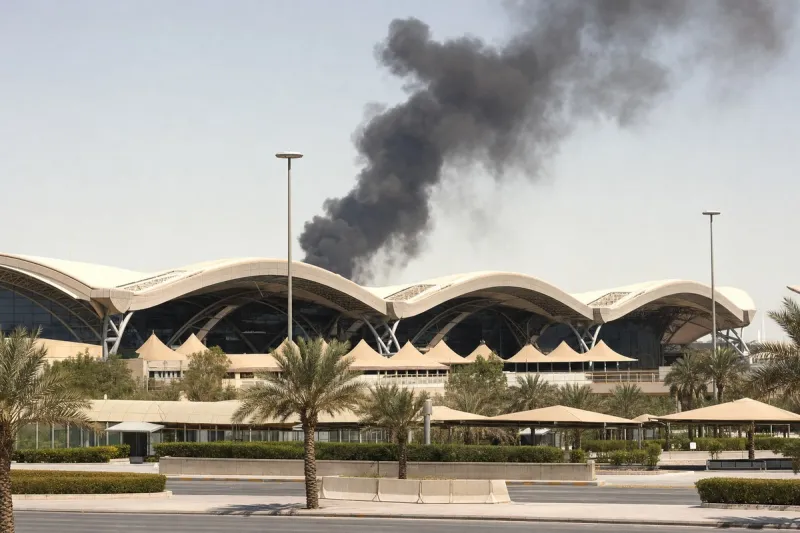
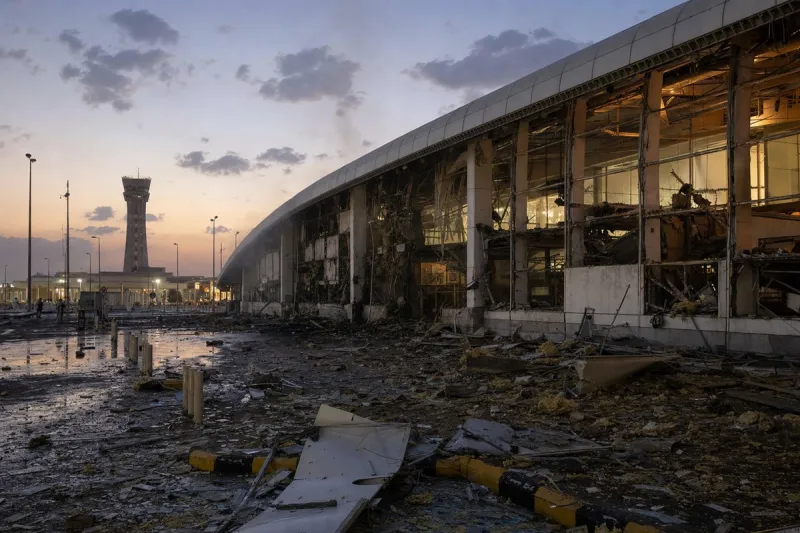
On the NTSB's update on the September 6 Boeing 767 runway excursion at Miami (21 Air Flight 7598), the author notes that the Board released preliminary cockpit-voice-recorder and flight-data-recorder information and flagged that the timing and descriptions remain preliminary and unsynchronized. The author describes this as staying at the observation stage rather than drawing conclusions about sequence or cause. In the NATS investigation into the UK air-traffic-control disruption, NATS said it did not believe a cyberattack was responsible; the author characterizes this as an exclusion rather than a cause.
The commentary also cites three new FAA airworthiness directives. AD 2026-18-03 addresses tool-mark damage in A320-family main-landing-gear support-rib lugs. AD 2026-17-09 addresses missing chamfers under critical A350-1041 pylon fasteners. AD 2026-18-01 adds repetitive operational tests for ATR 42-500 cargo-compartment ventilation shut-off valves. The author reads these as arising from different causal pathways (a supplier or handling process, a design or manufacturing-specification gap, and maintenance-program adequacy) that each produce an inspection or test requirement.
The author further argues that correlation is not cause and that linking incidents across time requires a defensible grouping variable. Using tool marks as an example, the piece says they could arise from manufacturing, repair, or fleet-wide procedural causes, each clustering by a different clock (build date, service event, or procedure-issuance date). The author also argues that a first-time case is properly labeled an outlier only as a placeholder pending pairing with relevant facts, and that research should extend beyond official records to include textbooks and community forums.