West Asia Conflict Disrupts Medical Tourism as Airspace Closures Push Patients Toward Southeast Asia
Why It MattersThe disruption is redirecting international medical travel away from Gulf hubs toward Southeast Asian providers, reshaping long-standing patient-flow patterns in the sector.
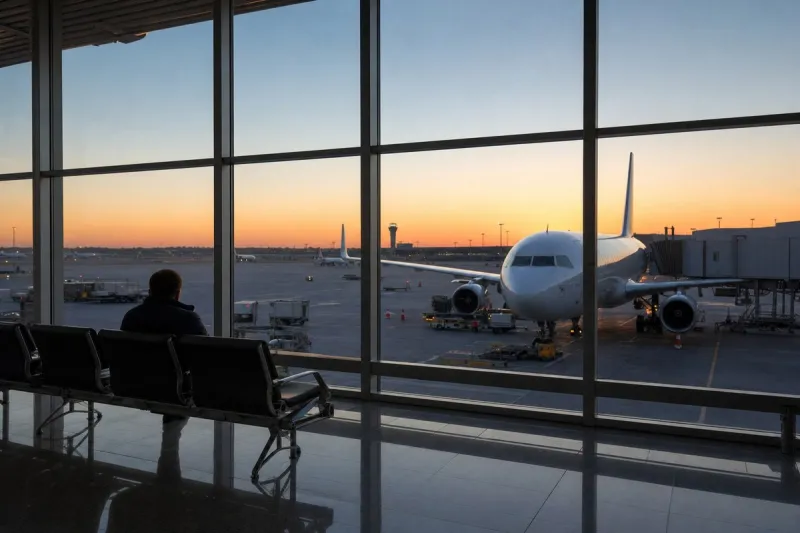
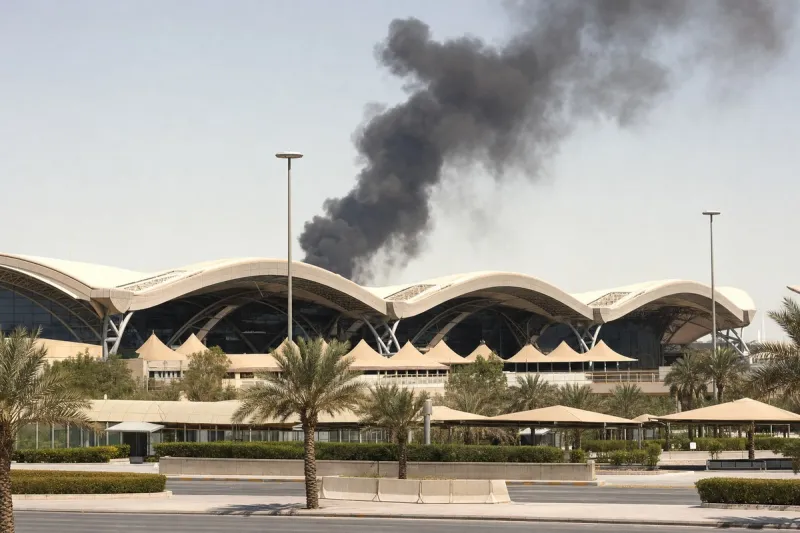
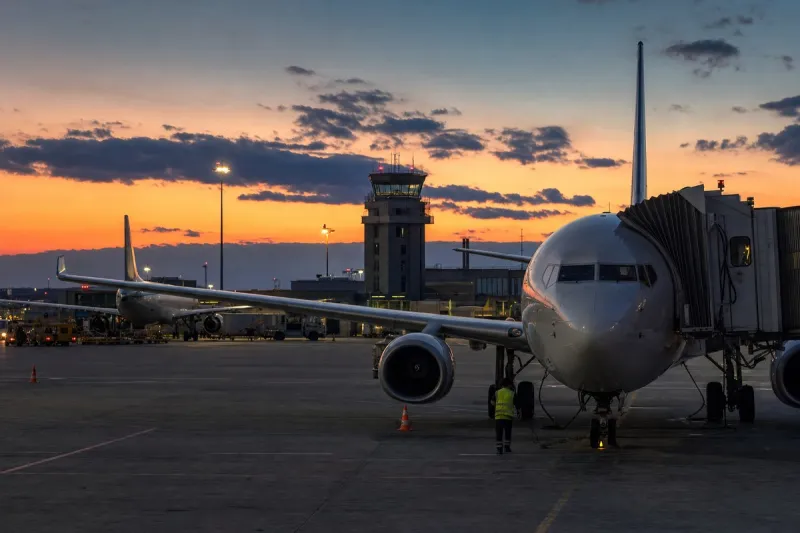
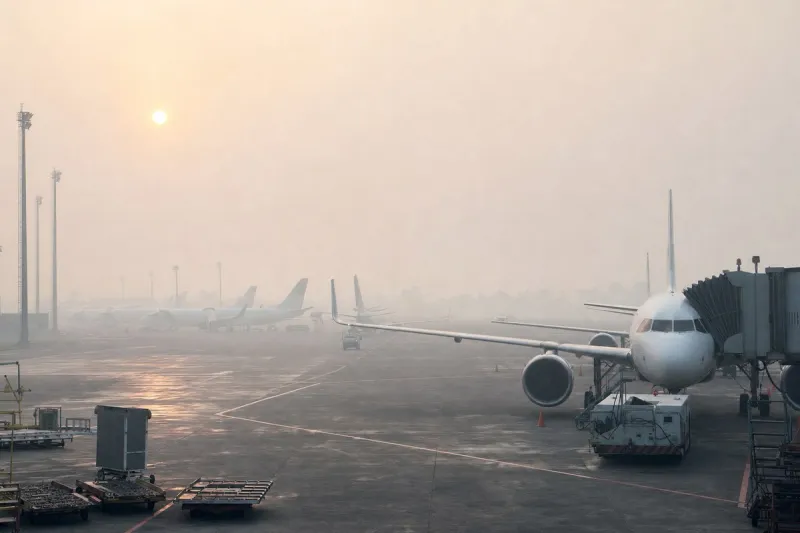
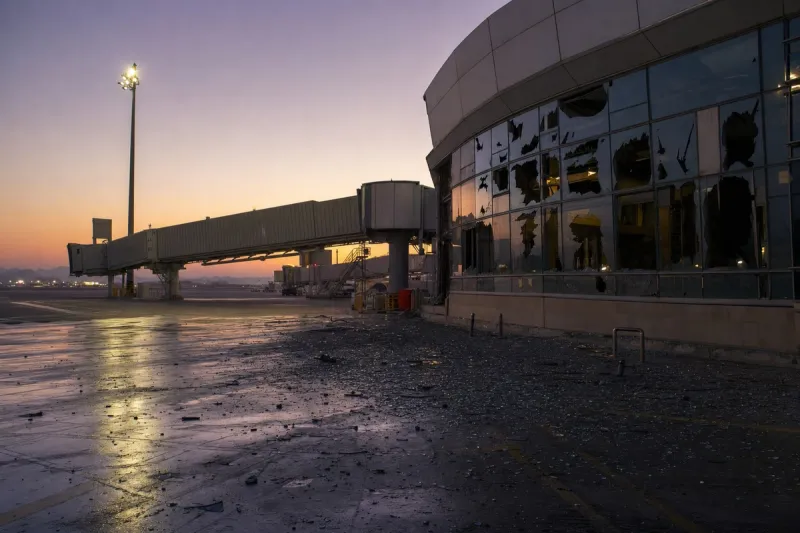
Flight cancellations and airspace restrictions tied to the widening West Asia conflict are disrupting international medical travel, with patients seeking safer destinations as reliability at Gulf hubs including Dubai, Abu Dhabi, and Doha deteriorates. The drop in inbound travelers has drained liquidity from Gulf healthcare ecosystems built on high-spending medical tourists.
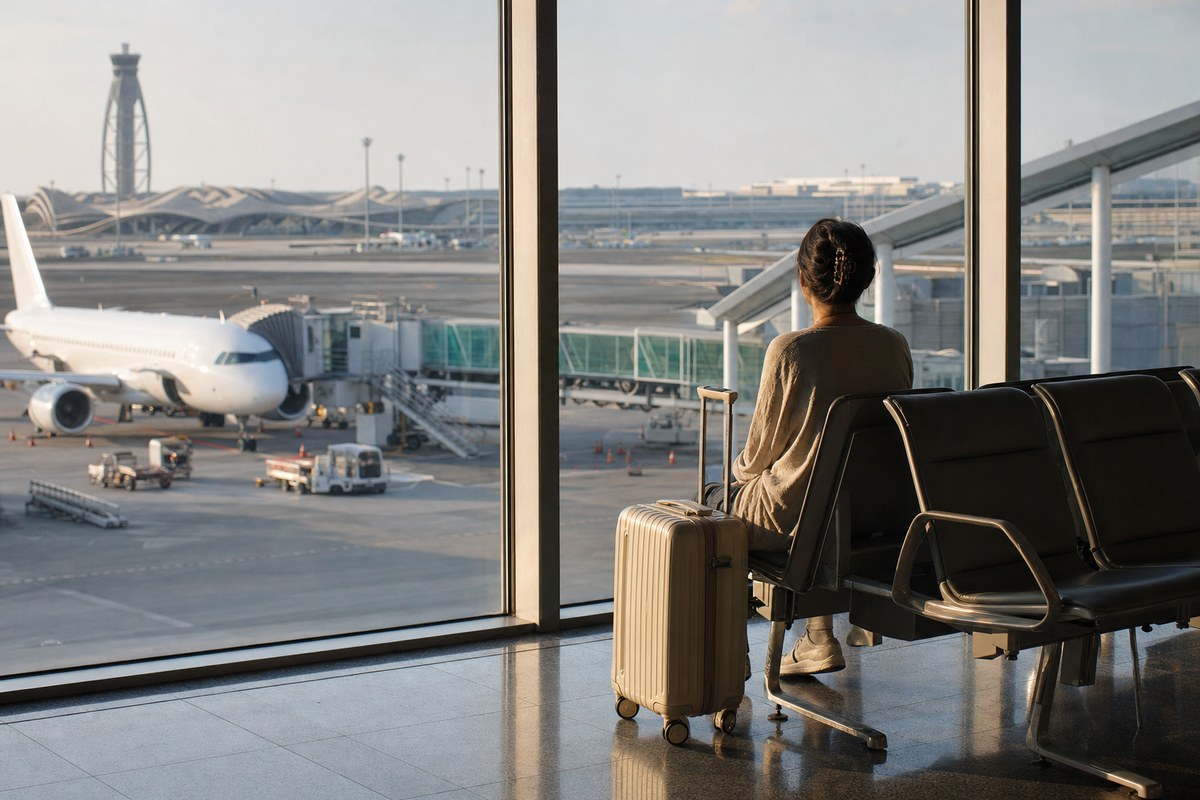
India's medical value travel sector, estimated at $13 billion, has been heavily affected, with hospital networks including Fortis Healthcare, Apollo Hospitals, and Max Healthcare reporting drops of 30 to 75 percent in overseas patient traffic from Oman, Saudi Arabia, Iraq, Yemen, and the United Arab Emirates. Airfares on rerouted transit paths have risen by up to 25 percent, prompting thousands of patients to defer oncology treatments, cardiac surgeries, and organ transplants. Indian healthcare groups project revenue losses of 15 to 45 percent and are shifting marketing toward African, Central Asian, and Southeast Asian markets.
Southeast Asia is emerging as a primary alternative, with Malaysia recording an influx of Middle Eastern patients seeking to bypass unstable Gulf airports. Healthcare provider Sunway Healthcare has pointed to the region's internationally accredited facilities, cost competitiveness, and Muslim-friendly infrastructure as draws for this demand. Analysts warn prolonged disruptions risk deepening care inequality for patients in blockaded regions needing urgent specialist treatment, and that the crisis is accelerating a structural shift in global medical travel routing.