WTTC: Middle East Conflict Costing Region's Travel Sector at Least $600M Per Day in International Visitor Spending
Why It MattersThe disruption highlights how conflict in a hub region with outsized transit traffic can ripple through global aviation, hospitality and tourism demand well beyond its borders.
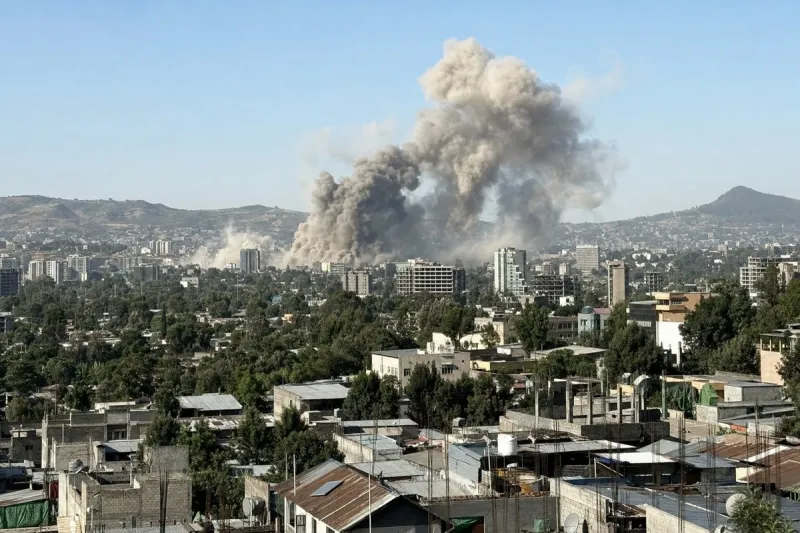
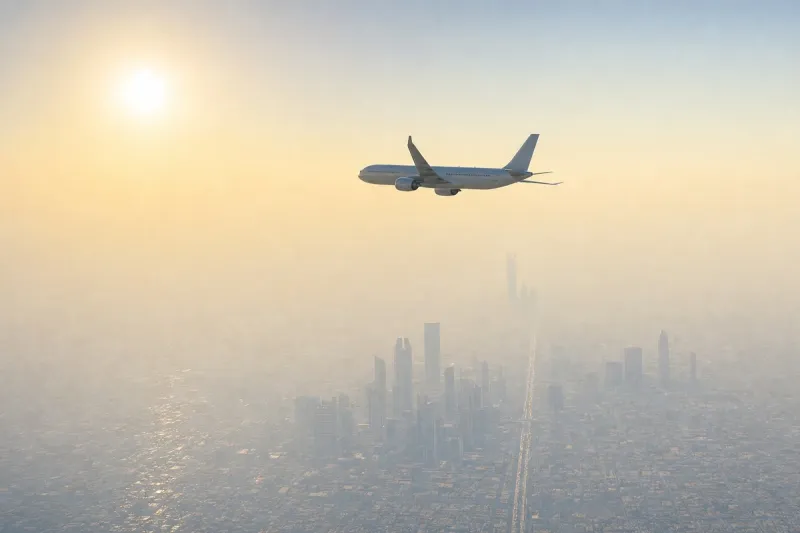
The World Travel & Tourism Council (WTTC) estimates that the escalating conflict involving Iran is already costing the travel and tourism sector across the Middle East at least $600 million per day in international visitor spending, according to an analysis published on 11 March 2026. The figure is based on WTTC's 2026 pre-conflict forecast, which had projected $207 billion in international visitor spending for the region this year. The Middle East accounts for five percent of global international arrivals and 14 percent of global international transit traffic, meaning disruption there affects demand worldwide across airports, flights, hotels, car hire companies and cruise lines.
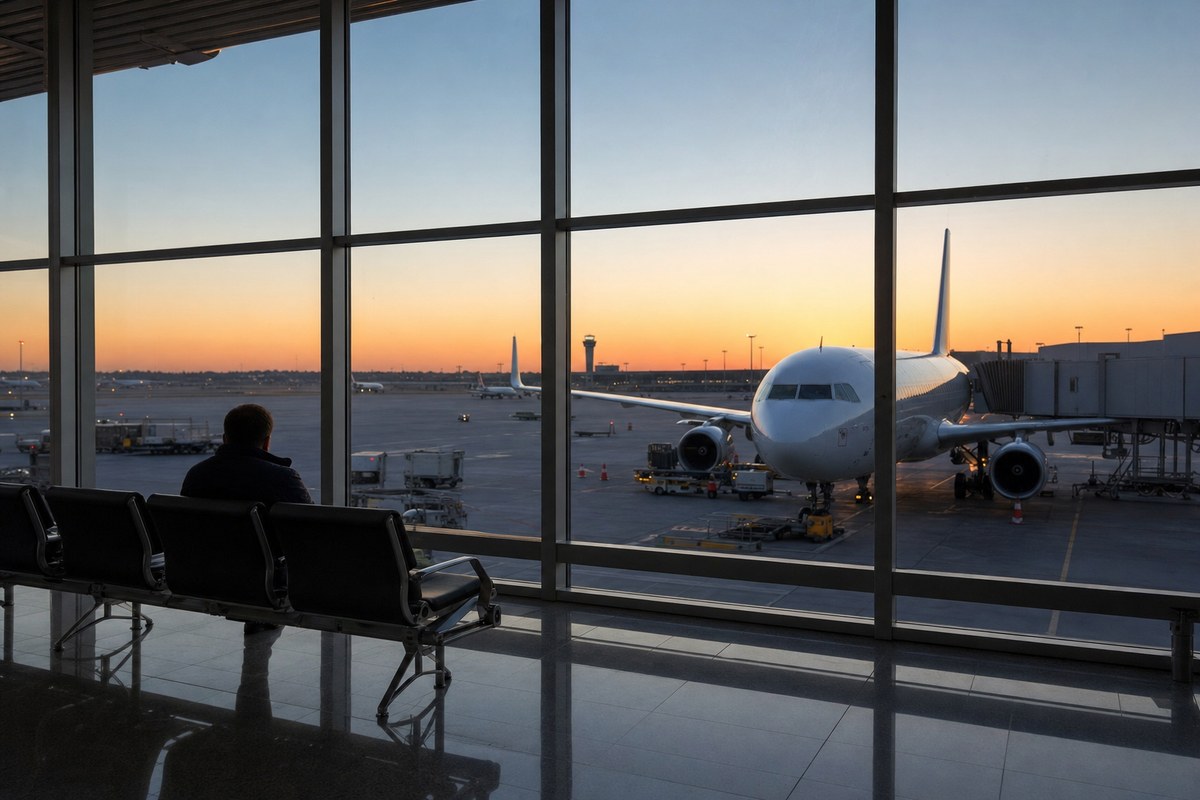
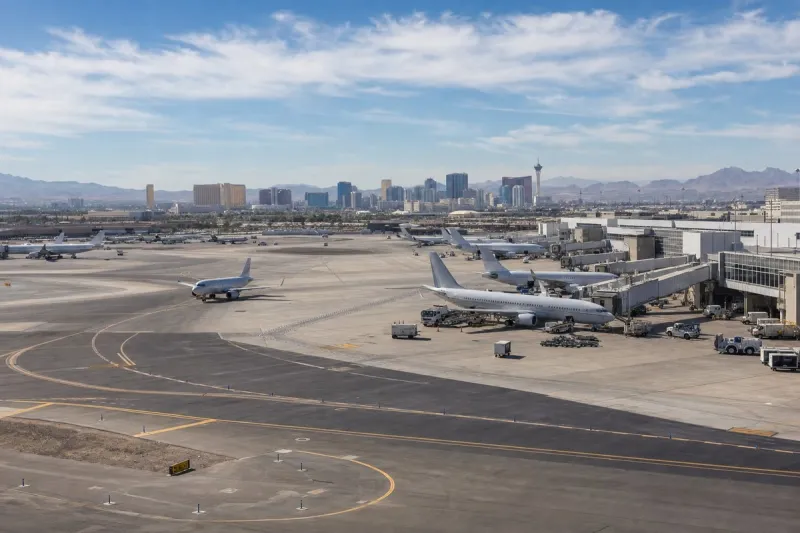
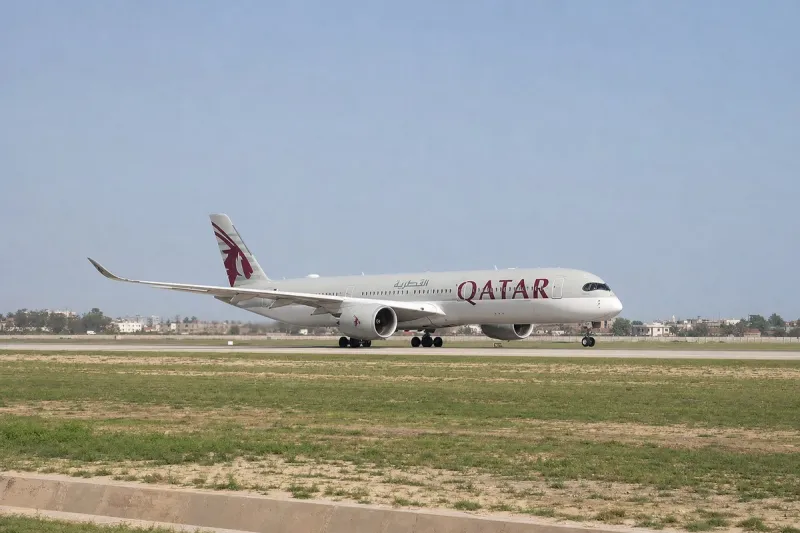
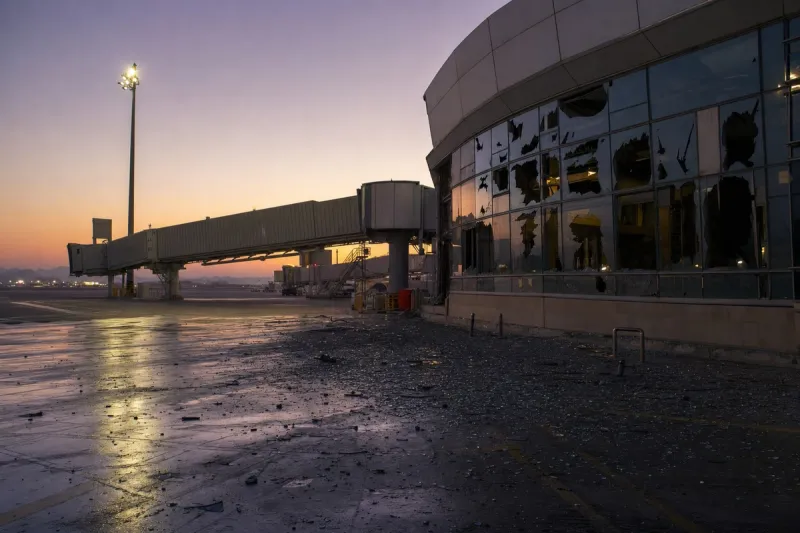
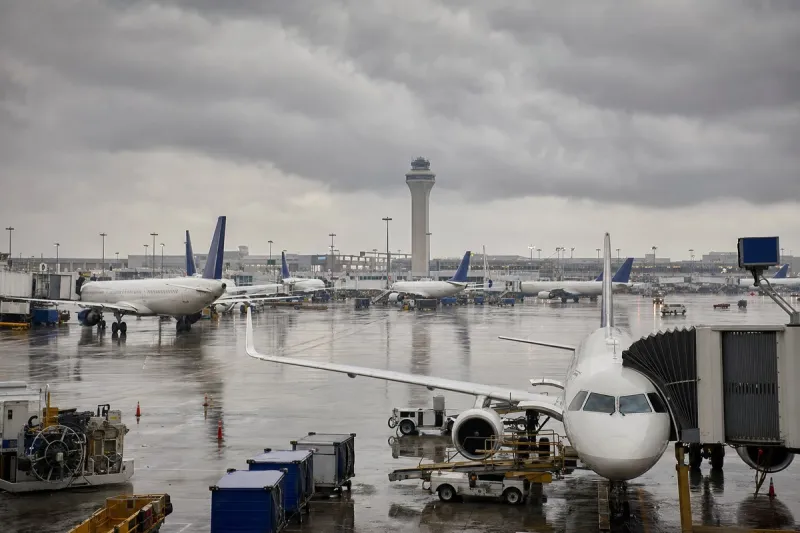
Major regional aviation hubs — Dubai, Abu Dhabi, Doha and Bahrain — together normally process around 526,000 passengers per day and have experienced closures and operational disruption as the conflict has escalated. The conflict in West Asia has continued since October 2023, when Israeli forces staged an offensive in Gaza, and was further exacerbated by a United States attack on Iran on 28 February 2026.
A World Economic Forum report released on 29 September said airspace closures and escalating jet fuel costs are compounding the damage to global commercial aviation, noting the travel and tourism industry contributed around $11.6 trillion to global GDP and supported 357 million jobs over the past year. The report also noted that in 2025, Canadian visits to the United States fell by roughly 25 percent, costing the US economy more than $8 billion in visitor spending, with Tourism Economics estimating the opportunity cost of that decline at approximately $25 billion relative to expected growth.
Despite these headwinds, UN Tourism reported on 5 October that global tourism registered 0.4 percent growth in the first half of the year, with global arrivals rising two percent in the first quarter of 2026 before slipping one percent in the second quarter following a three-percent decline in April tied to the Easter calendar and the Middle East conflict. UN Tourism forecasts international tourist arrivals will rise between one and two percent by year-end, below the three-to-four percent growth projected in January. WTTC President and CEO Gloria Guevara said the sector is "the most resilient," adding that WTTC's analysis of previous crises shows tourism demand following security-related incidents can recover in as little as two months when governments and industry act quickly to restore traveller confidence.