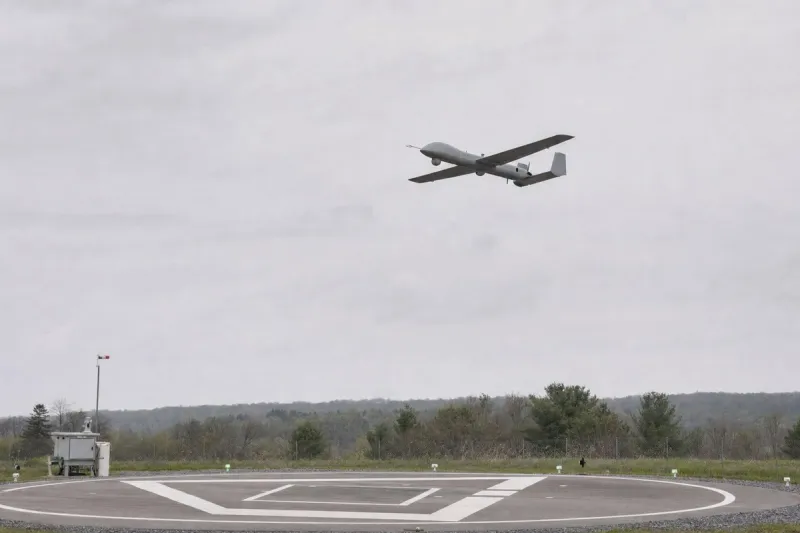
Ethiopia Bans All Drone Flights Over Addis Ababa Indefinitely Amid Renewed Northern Fighting
Why It MattersThe indefinite drone restriction over Ethiopia's capital signals tightening airspace controls amid regional instability, a pattern that can disrupt commercial and survey drone operations across conflict-adjacent African markets.
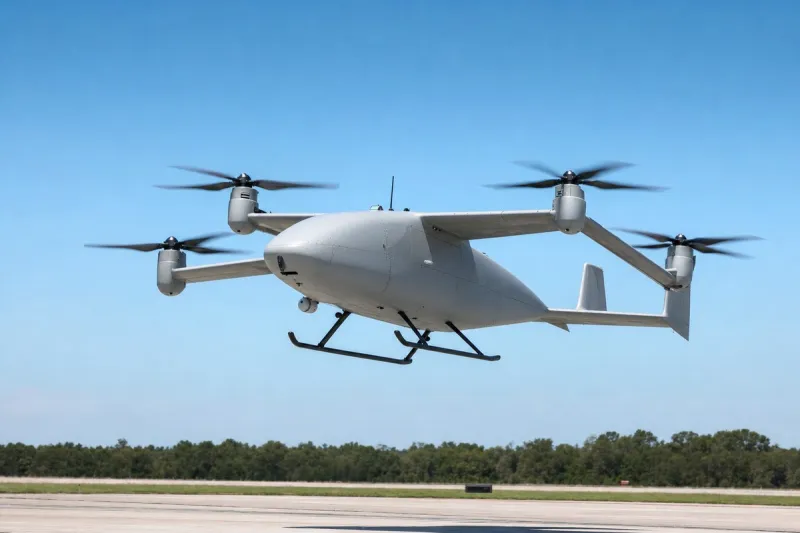
Ethiopia's National Intelligence and Security Service (NISS) has imposed an indefinite ban on drone flight permits in Addis Ababa and surrounding areas, effective immediately, citing the need to monitor and control unmanned aerial vehicles. The restriction covers all types of drones and similar flying objects, and NISS said it is tracking activity through integrated anti-drone technology, warning that violating aircraft will be identified, intercepted and forced to land at a designated location, with operators traced and arrested.

NISS said it has acquired advanced counter-drone technologies and trained specialized personnel to address potential national security threats, with enforcement coordinated with relevant stakeholders. The ban was announced amid renewed fighting in northern Ethiopia, raising fears of a broader return to conflict less than four years after the November 2022 Pretoria peace agreement ended the Tigray war; NISS did not explicitly link the Addis Ababa restrictions to the northern fighting.
On September 23, 2026, African Union Commission Chairperson Mahmoud Ali Youssouf expressed concern over renewed military escalation, including reports that Tigrayan forces had taken control of airports in Mekelle, Axum and Shire, and called for an immediate halt to escalatory actions and resumed talks between the federal government and the Tigray People's Liberation Front under the Pretoria framework. The European Union separately called for de-escalation and dialogue, raising concerns about reported drone strikes by the Ethiopian National Defence Force and calling for civilian protection and humanitarian access, while UN Secretary-General António Guterres urged all parties to exercise restraint, protect civilians and allow humanitarian access, reiterating support for African Union-led diplomacy under the Pretoria agreement.