Aspen/Pitkin County Airport Closes Tuesday After Email Threats, More Than 95 Evacuated
Why It MattersThe response shows how regional airports lean on coordinated local law enforcement and pre-trained emergency protocols to manage threat-driven closures while limiting disruption to surrounding roadways.
What happened
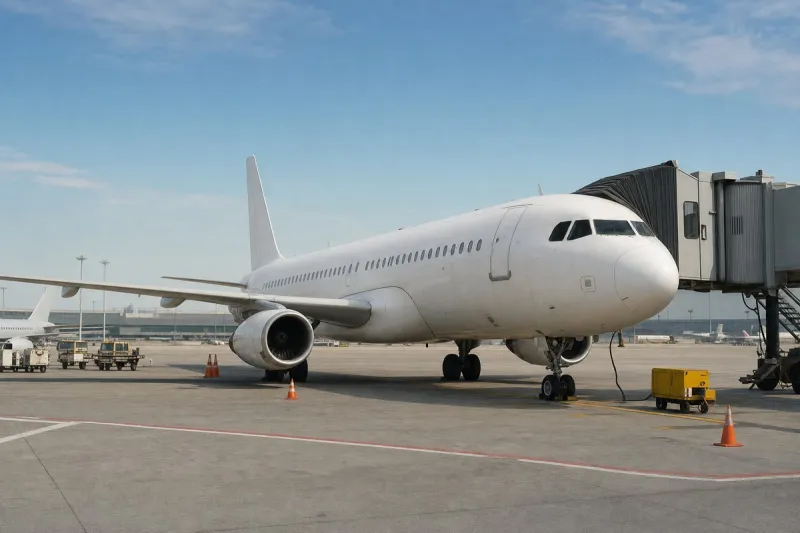
Aspen/Pitkin County Airport closed Tuesday afternoon after receiving multiple email threats regarding airport property, prompting the evacuation of more than 95 people from the premises. Among those evacuated were 55 passengers and 40 airline employees, along with TSA personnel, rental car employees, Jedediah's employees, and Aspen Chamber Resort Association staff.
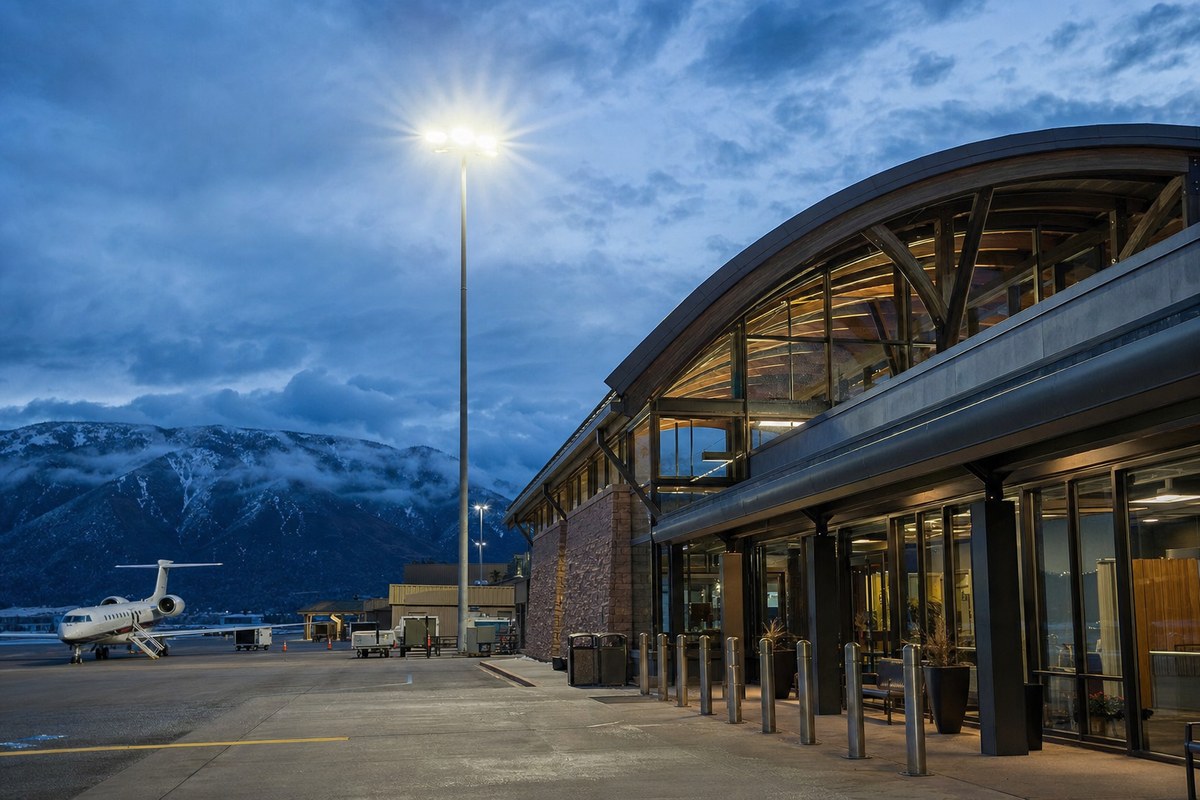
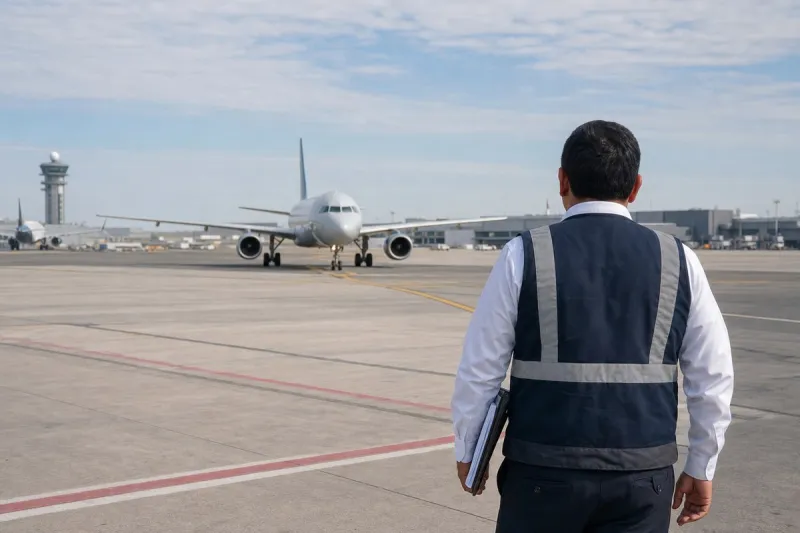
Law enforcement conducted a systematic check of the airport's interior and exterior before the facility officially reopened around 4 p.m., according to a PitkinAlert notification. Incident Commander and Pitkin County Sheriff Justin Thompson said, "Safety is our number one priority, and throughout this incident our focus was on allowing law enforcement and emergency personnel the space they needed to safely respond."
Pitkin County Sheriff Michael Buglione credited the coordinated response among local law enforcement, first responders, and airport partners, saying, "Our teams train and prepare to work together during situations like this, and that coordination allows us to respond effectively while keeping the safety of our community, airport personnel and the traveling public at the forefront." Colorado Highway 82 traffic in both directions remained open throughout the incident. Airport staff advised travelers to contact their individual airlines directly for the latest flight information, including potential delays or schedule changes resulting from the temporary closure.
Industry impact & what to watch
Threat-driven closures at regional airports test how quickly law enforcement, airport staff, and tenant businesses can clear a facility and verify it is safe without shutting down surrounding infrastructure entirely. In this case, the highway serving the airport stayed open in both directions, showing that the response was contained to the airport property itself rather than the wider transportation corridor.
This kind of incident depends on coordination that is built before any threat arrives — trained relationships between sheriff's departments, TSA personnel, and commercial tenants like rental car counters and concessions, all of whom had to be evacuated and accounted for together. The roughly two-hour window between the threat and reopening reflects the time needed for a full interior and exterior sweep rather than a quicker administrative decision.
What happens next for affected travelers depends on individual airline rebooking and schedule adjustments, which airport staff directed passengers to pursue directly with carriers rather than through the airport itself.