Ukrainian Drone Attack on Moscow Delays Over 400 Flights, Diverts 30-Plus Aircraft to Alternate Airports
Why It MattersThe episode illustrates how emergency airspace regimes tied to drone threats can trigger large-scale, sudden diversions across a capital's entire airport system with little warning.
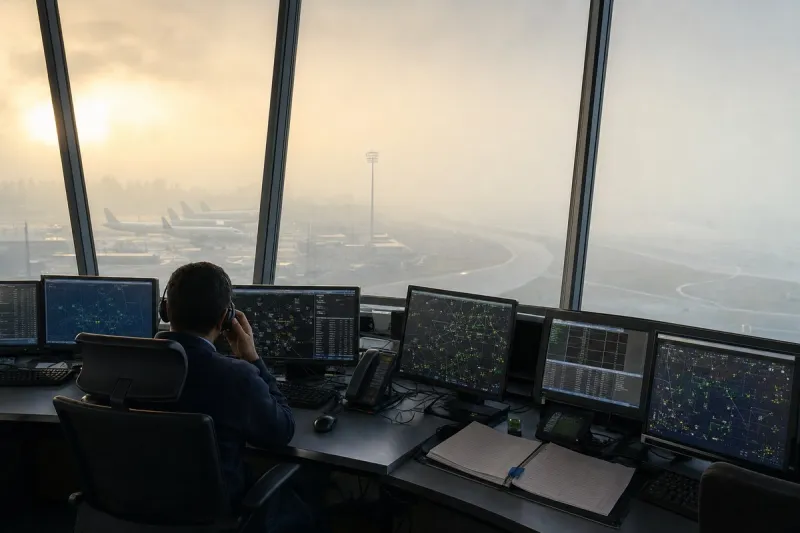
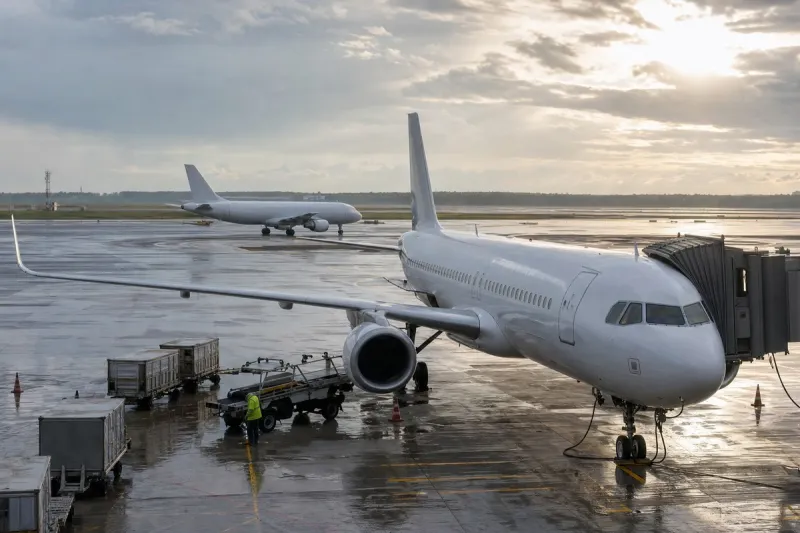
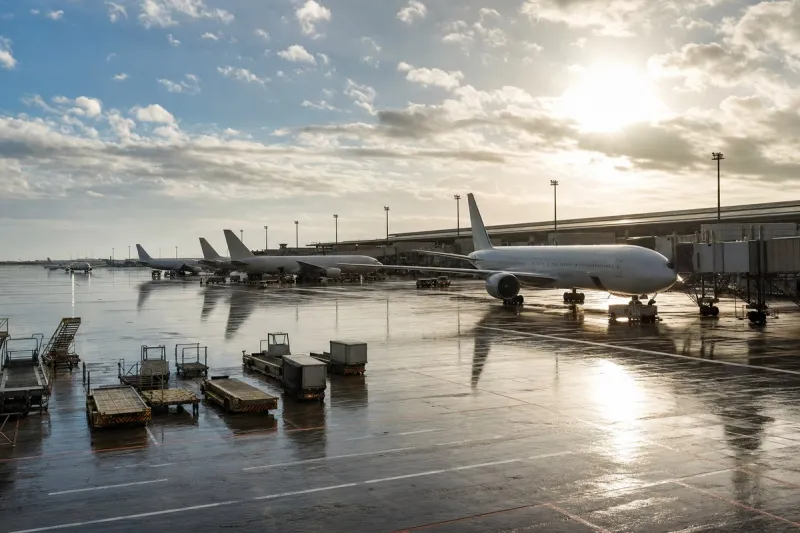
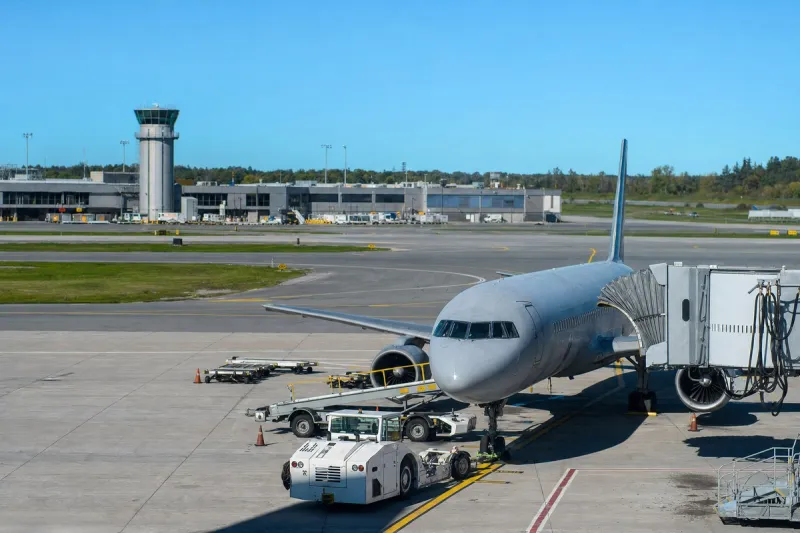
A Ukrainian drone attack on Moscow during the night of 19 to 20 September 2026 delayed more than 400 flights and forced over 30 aircraft to divert to alternate airports, according to aviation security firm Osprey. All four of Moscow's major airports — Sheremetyevo, Domodedovo, Vnukovo and Zhukovsky — imposed flight restrictions during the incident, which fell on the final day of Russia's State Duma parliamentary elections. Diverted aircraft were redirected to cities including Kazan, Samara and St Petersburg, hundreds of kilometres from their intended destinations. Osprey noted that early Russian reporting had put the disruption at around 100 flights, while the full tally assembled once operations unwound was four times that figure.
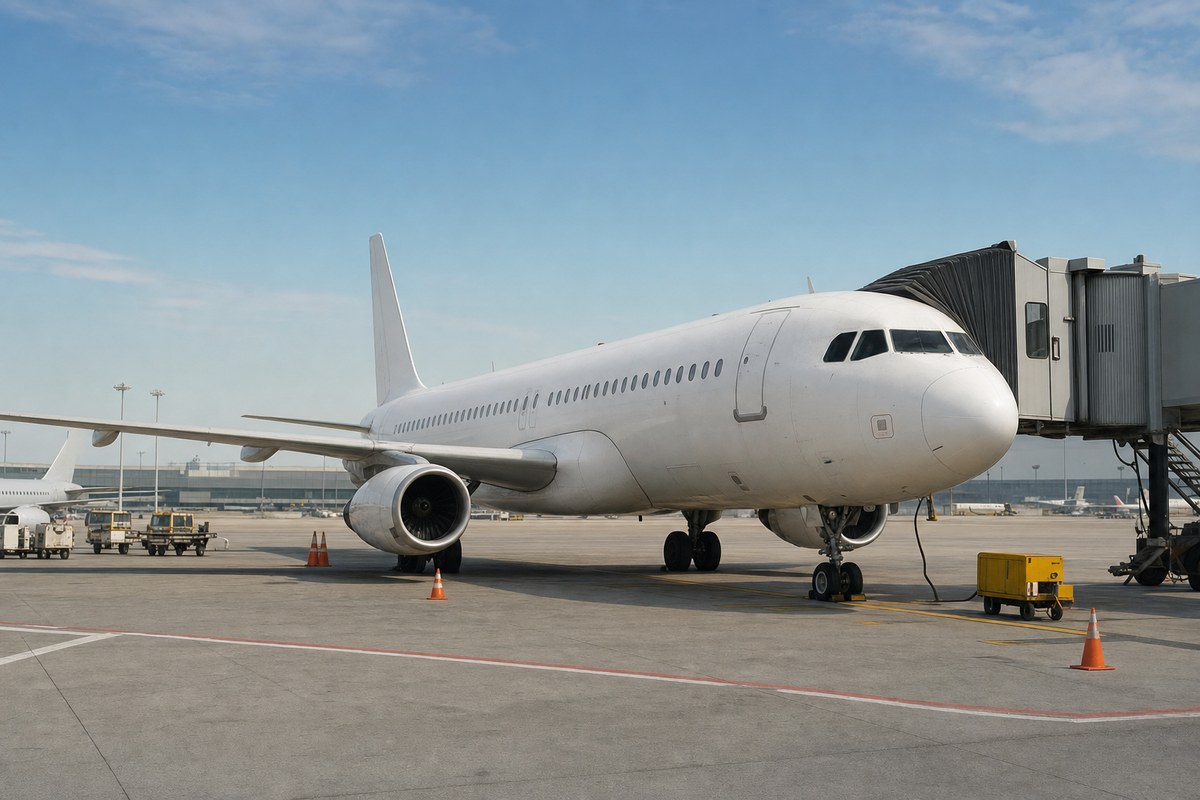
The closures were triggered by Russia's emergency airspace regime, Plan Kover (Carpet), under which civil aircraft in a designated area must leave or land immediately when a drone threat is detected, since air defence radar systems cannot reliably distinguish small, slow, low-flying drones from other traffic and the weapons used to engage them are not precision instruments.
Russia's Defence Ministry stated that 1,110 Ukrainian drones were shot down overnight across Russian regions, annexed Crimea and the Black Sea. Moscow Mayor Sergey Sobyanin claimed more than 1,600 drones had been repelled across all defensive lines, including approximately 450 near Moscow. Moscow region Governor Andrey Vorobyov reported two people killed and around 20 injured, three of them children, across 17 districts of the Moscow region.
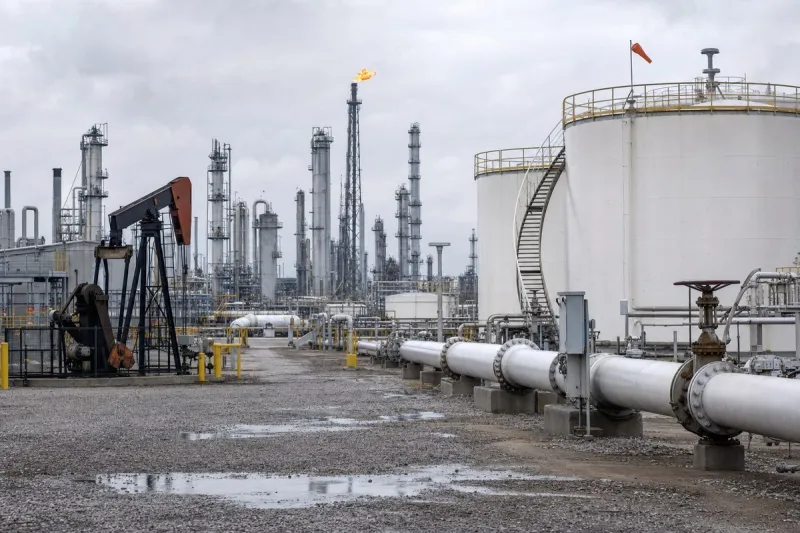
Russian media outlet Astra, citing witness photographs and video, suggested that one impact at the Gazprom Neft Moscow Oil Refinery at Kapotnya may have been caused by a Russian Pantsir air-defence system rather than a Ukrainian drone, noting that a Pantsir battery had been stationed near a logistics warehouse in Sofyino that also burned the same night; Russian authorities have not confirmed this. Ukrainian President Volodymyr Zelensky confirmed the strike and stated that Ukrainian forces had fired Flamingo cruise missiles alongside drones, hitting the refinery, a Moscow-region warehouse and a facility in the Voronezh region. None of the official claims from either side has been independently verified.