ALPA Canada urges Ottawa to enshrine safety protections as federal government plans private concessions at four major airports
Why It MattersWhen ownership of strategic transport infrastructure is separated from its operation through long-term concessions, labour and safety bodies gain leverage to demand enforceable protections before financial terms are finalized.
What happened
Canada's pilot union has called on the federal government to guarantee that aviation safety and the public interest remain paramount as Ottawa develops a plan to bring private capital into the operation of the country's four largest airports through long-term concessions.
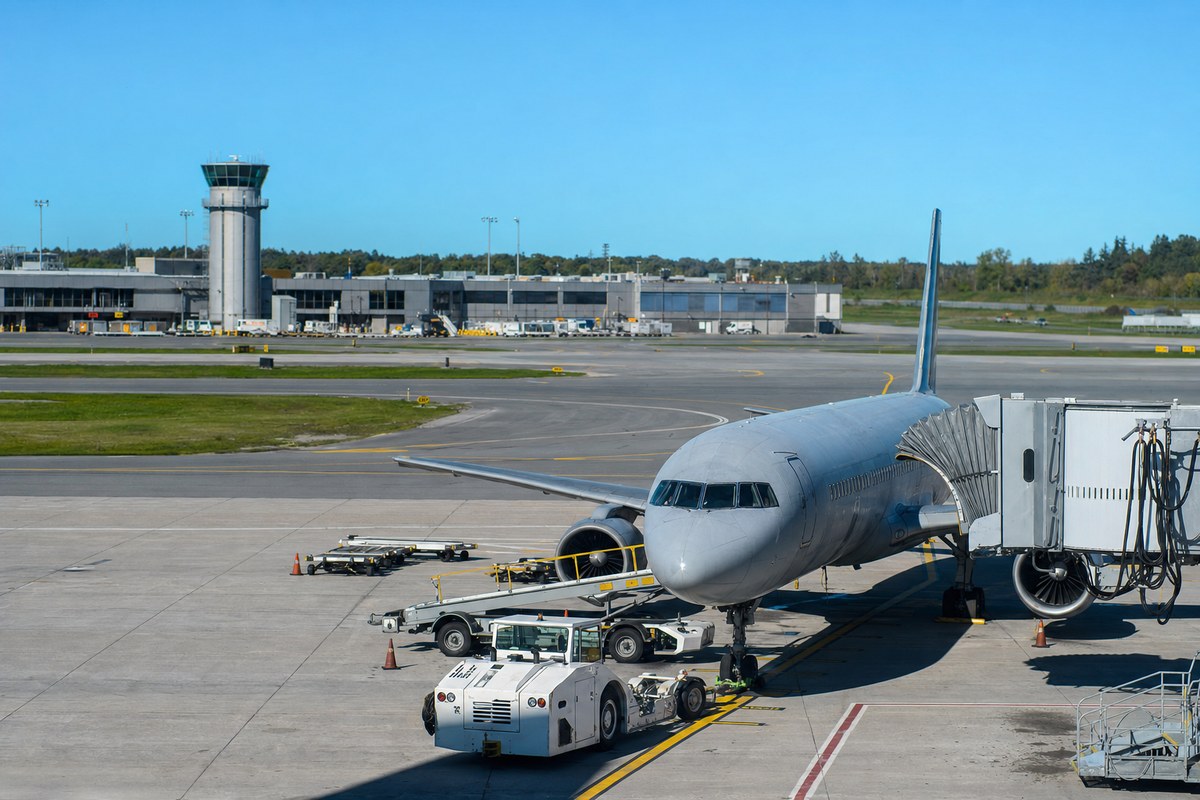
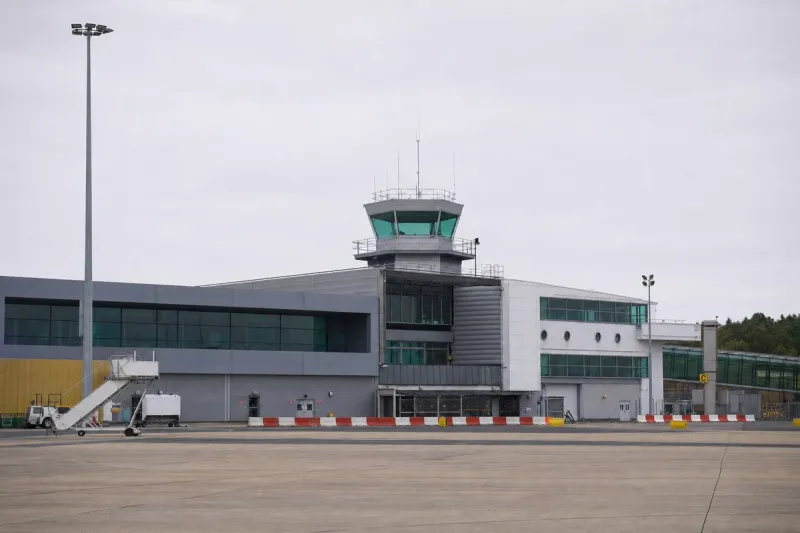
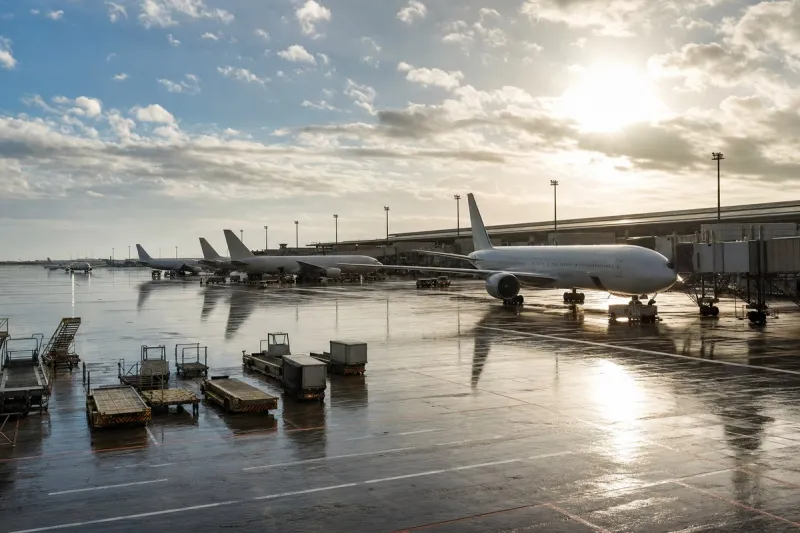
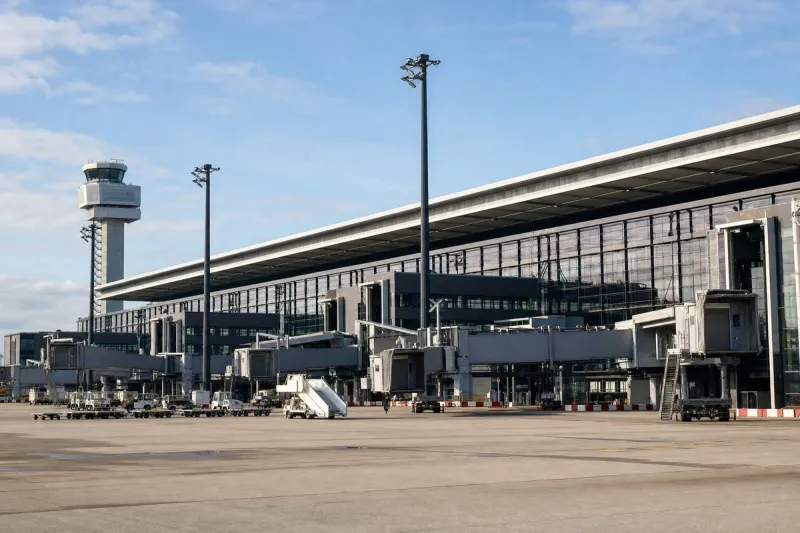
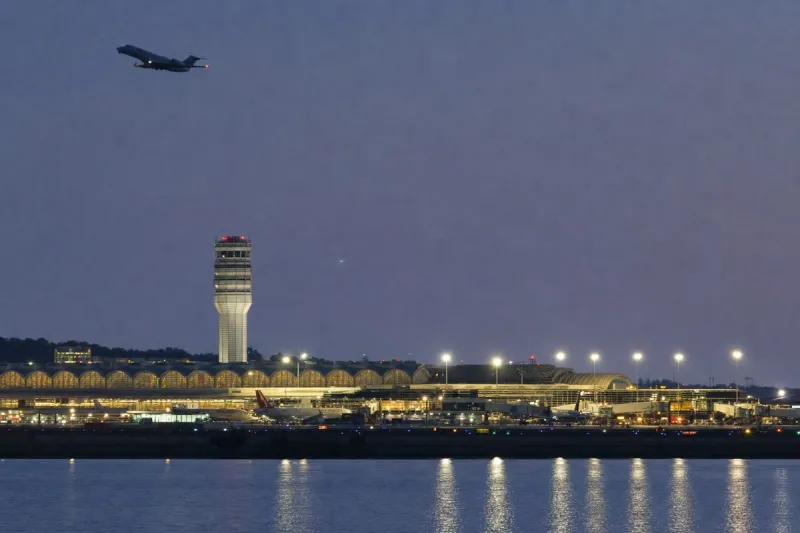
On September 15, 2026, Prime Minister Mark Carney announced at the Canada Investment Summit in Toronto that the federal government intends to seek private investment through long-term concessions to operate the four airports while retaining ownership of the underlying land and assets. The government says capital raised through the initiative would be reinvested in infrastructure, including regional airports and local transportation projects. The four airports covered by the initiative are Toronto Pearson International Airport, Montréal-Trudeau International Airport, Vancouver International Airport, and Calgary International Airport. Transport Minister Steven MacKinnon is expected to draw interest from Canadian pension funds as well as international infrastructure investors, with potential transactions subject to competitive processes and applicable regulatory, foreign-investment, and national-security reviews.
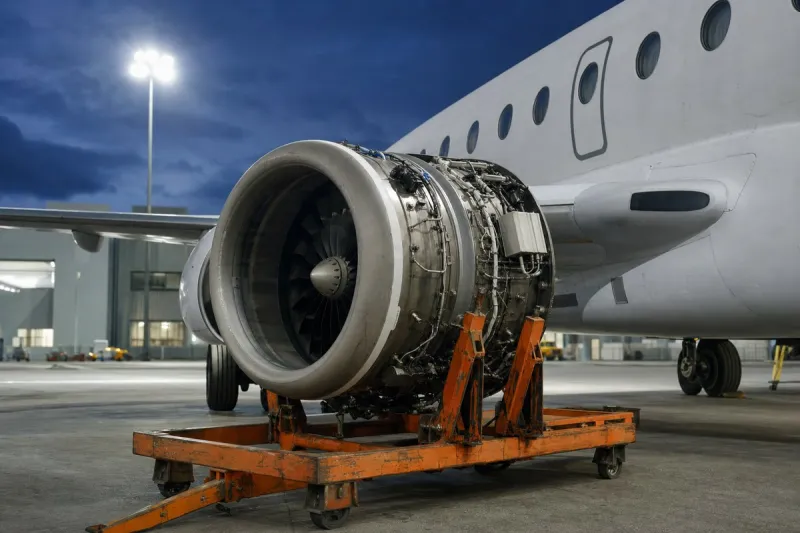
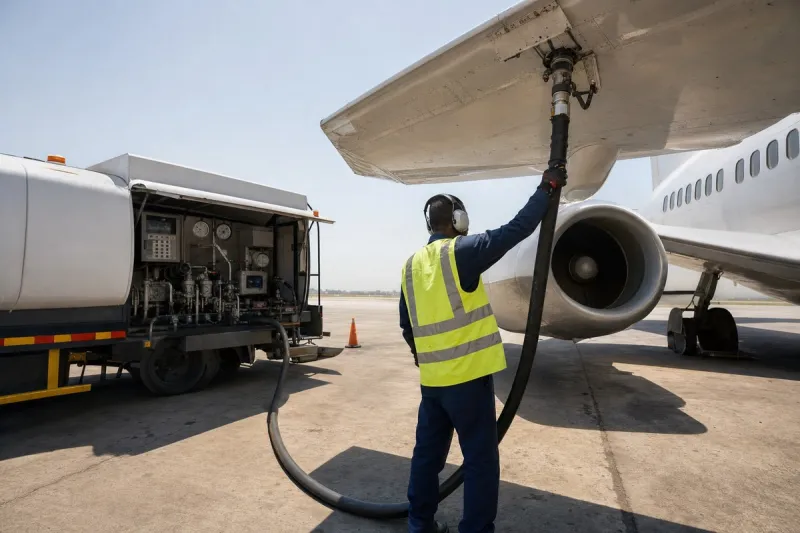
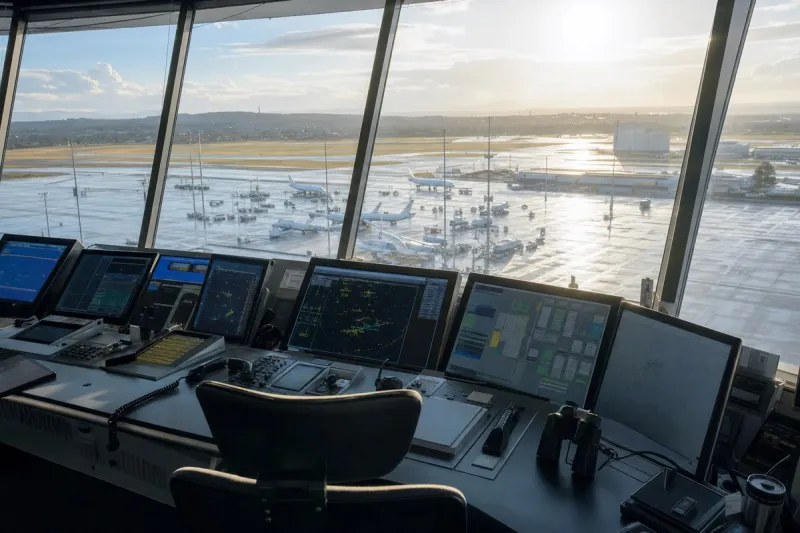
In a statement issued September 18, Air Line Pilots Association, Int'l (ALPA) Canada President Capt. Tim Perry said airport operating decisions directly affect runway maintenance, de-icing capacity, staffing, and the pace of infrastructure investment. Perry said airports are not only transportation hubs but workplaces for pilots and a core part of the aviation safety system, and that safety must remain "the overriding priority" under any new operating structure. ALPA Canada also raised concerns about foreign private investment, arguing that Canada should protect sovereignty and public-interest objectives when determining how strategic airport infrastructure is managed. ALPA says it represents more than 80,000 pilots at 42 airlines in the United States and Canada.
Industry impact & what to watch
This is a familiar juncture in infrastructure policy: a government wants to monetize a public asset's operation without selling the asset itself, and the affected workforce moves early to shape the terms before they harden into contracts. Concession structures of this kind typically separate who owns land and runways from who runs day-to-day operations, and the operating concessionaire's choices on staffing, maintenance schedules, and capital spending are exactly what a pilot union has direct exposure to.
The September 15 announcement left the specifics open: no concession lengths, no airport-by-airport financial structures, no future fee arrangements, and no detailed operational safeguards were set out, nor was there any quantification of how the model would affect passenger charges, airline costs, or service levels. That gap is precisely where ALPA Canada's intervention is aimed, and it is also where foreign-investment and national-security reviews will do their work once specific bidders emerge.
What happens next depends on how MacKinnon's department structures the competitive process for each of the four airports and whether safety and labour provisions are written into the concession terms themselves rather than left to be negotiated separately afterward. Watch for the release of concession-length and financial-structure details, and for whether any foreign bidder for Pearson, Montréal-Trudeau, Vancouver, or Calgary triggers a national-security review.