NTSB Preliminary Report: Worsening Fog and Low Visibility Preceded Fatal Cape Newenham Cessna 441 Crash That Killed 8
Why It MattersThe crash renews scrutiny of visibility-limited approaches at remote Alaska radar sites served by chartered turboprop operators supporting government agencies.
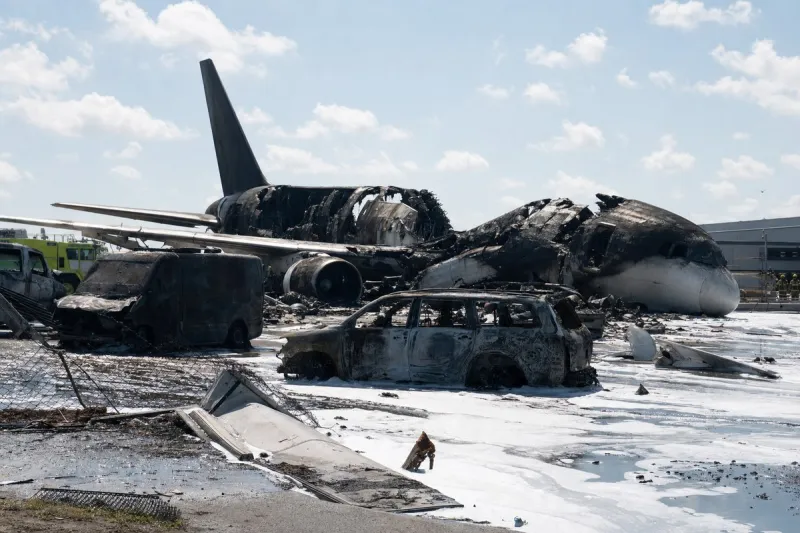
The National Transportation Safety Board has released its preliminary report on the Aug. 20 crash of a Cessna 441 Conquest at Cape Newenham in Southwest Alaska that killed all eight people on board. The report does not identify a cause but highlights low visibility and foggy conditions during the aircraft's two landing attempts. The plane, chartered by the U.S. Army Corps of Engineers and operated by Anchorage-based Security Aviation, was carrying personnel to the long-range radar site at Cape Newenham, roughly 450 miles west of Anchorage, and was flown by Captain Dave Furber and First Officer Sergei Zelenkov.

The flight crew communicated with air traffic controllers in Anchorage and requested multiple delays to their landing. A technician at the radar site could not complete a second runway inspection ahead of the approach because of thick fog, and another technician on the ground observed low visibility during each approach. After the first missed approach, the crew indicated they wanted to divert to Platinum Airport, about 23 miles north, but could not reach the airport by radio and instead attempted a second approach at Cape Newenham. By that point, the ground technician reported visibility had deteriorated so severely that the runway was no longer visible from a nearby weather building and none of the visibility reference points could be seen.
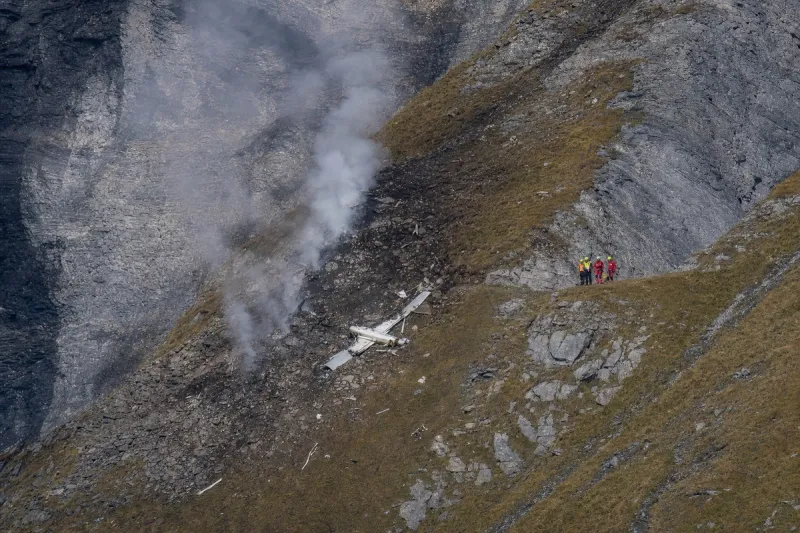
The technician then heard the engines "throttle up," followed by a "backfire," after which all sound ceased. The wreckage was located half a mile west of the approach end of the runway in mountainous terrain; the report notes that because the runway sits on a slope flanked by mountains, recovery from a missed approach beyond a certain point would be "improbable." Lead investigator Eric Gutierrez said the NTSB remains in the fact-finding phase, still gathering weather data and pilot and maintenance records, and cautioned that preliminary information can sometimes be incorrect. The final report is expected within 18 months, and the wreckage remains at the site awaiting recovery due to difficult terrain.
The crash was the deadliest in Alaska since a Bering Air crash killed all 10 people aboard in February 2025. Since then, four people died in a Seldovia crash on the Kenai Peninsula on Aug. 26, and two people died near Aniak in Southwest Alaska on Sept. 15.