Norwich Airport Faces Economic Fallout as Prospect Union Air Traffic Control Strike Disrupts Flights and Offshore Operations
Why It MattersRecurring air traffic control disruption creates lasting uncertainty for regional airports, risking carrier frequency decisions, offshore energy logistics and local spending well beyond any single closure day.
What happened
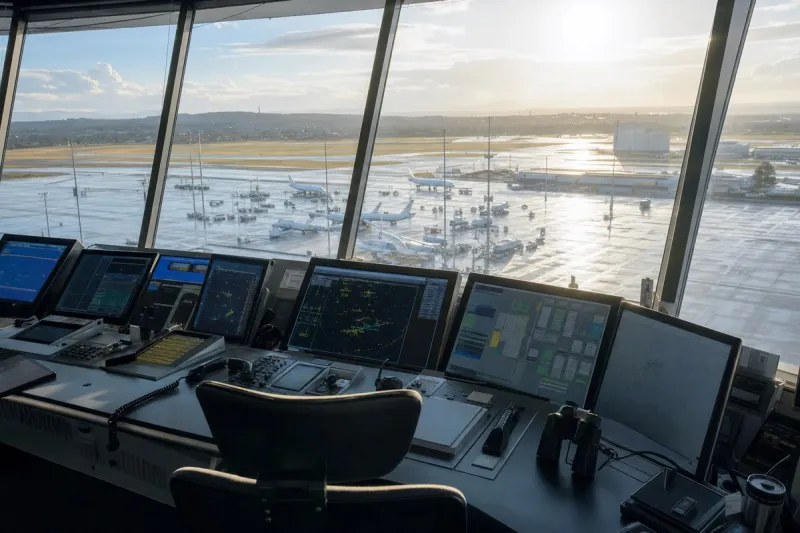
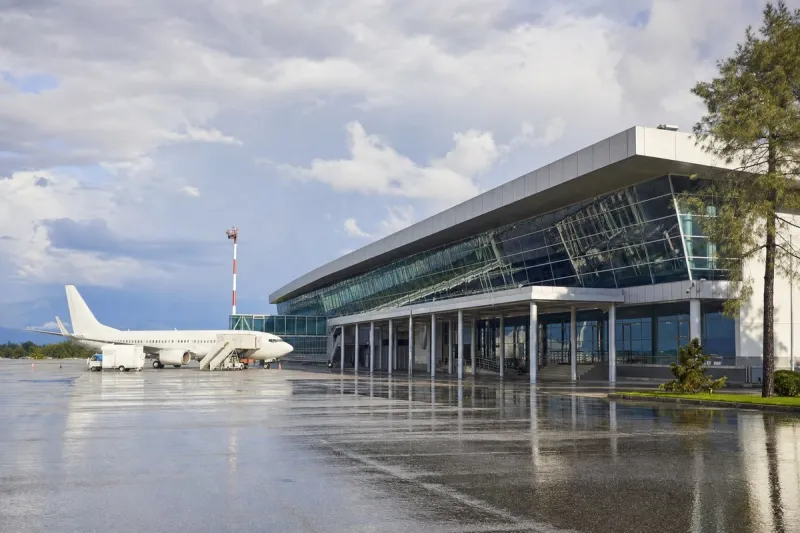
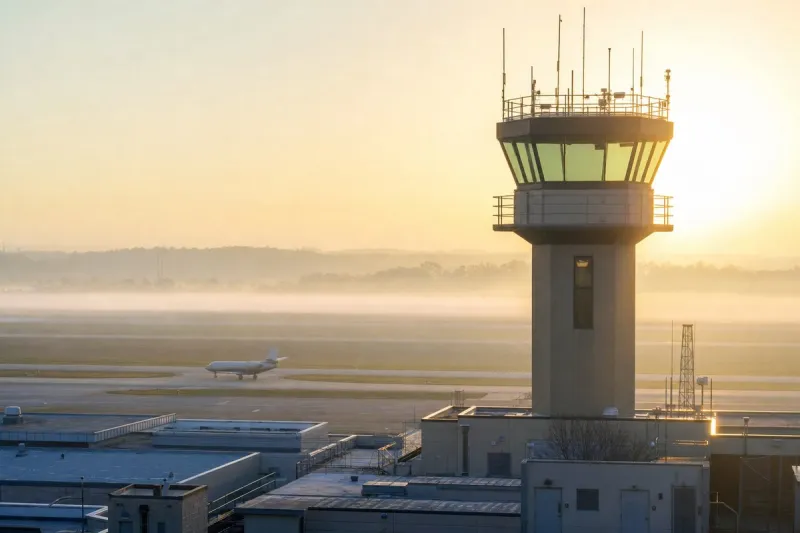
Industrial action by Prospect union members in air traffic control has disrupted flights and offshore energy operations at Norwich Airport since mid-August 2026. A 24-hour strike on Friday, 28 August 2026 closed the airport entirely, with no flights operating to or from Norwich that day. The dispute centres on pay, terms and conditions.
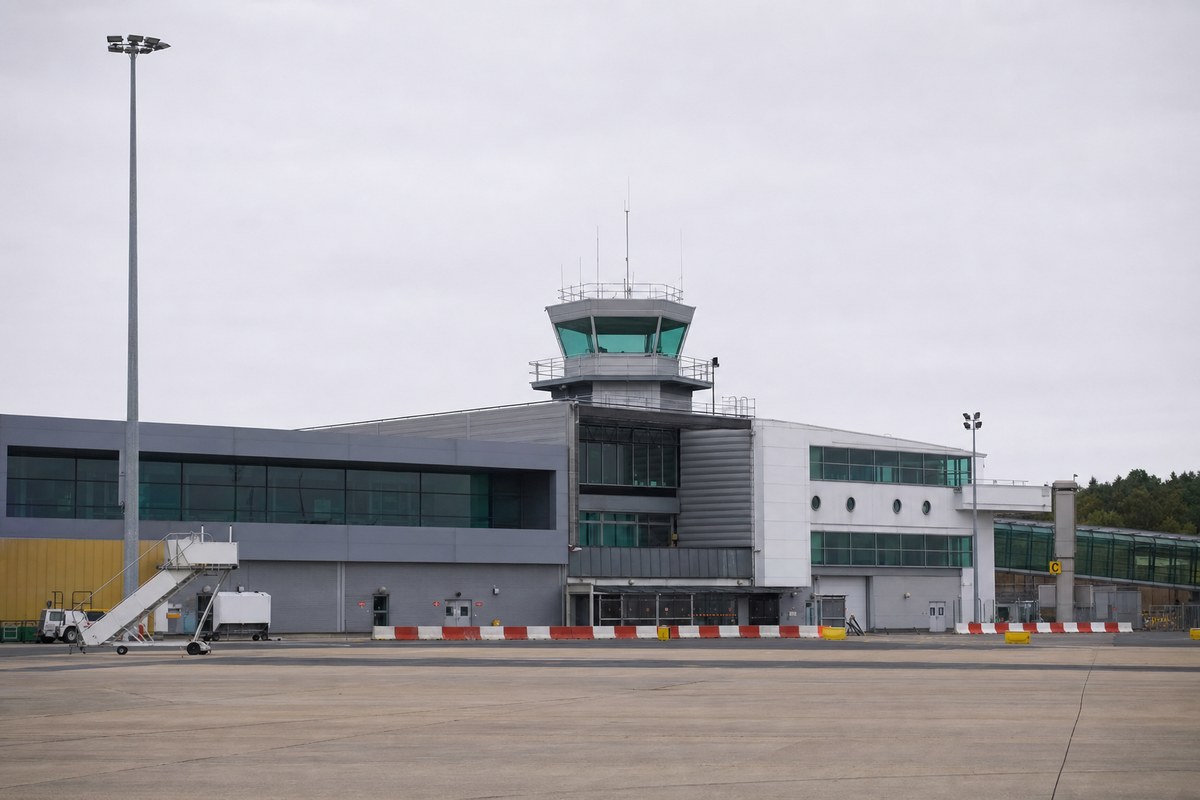
Airport notices from early September 2026 referenced further periods of restricted operations, with the combination of ATC staff sickness and ongoing industrial action limiting the ability to provide additional cover and resulting in closures during specified time blocks.
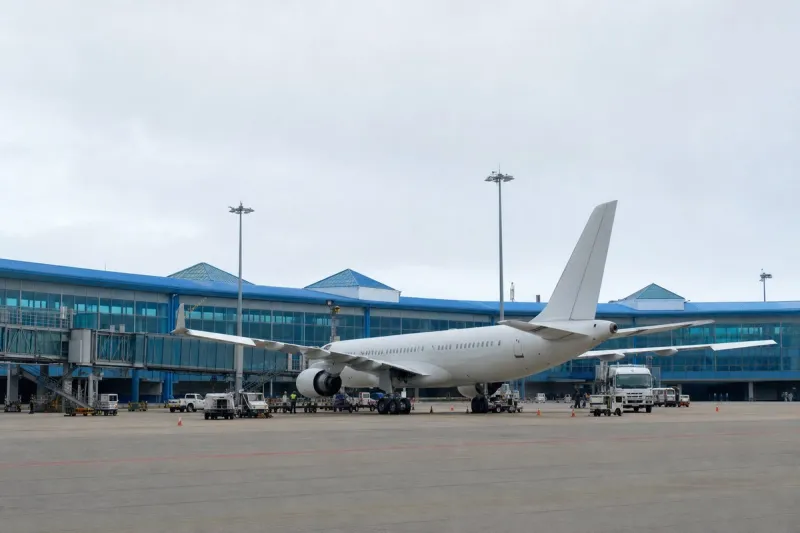
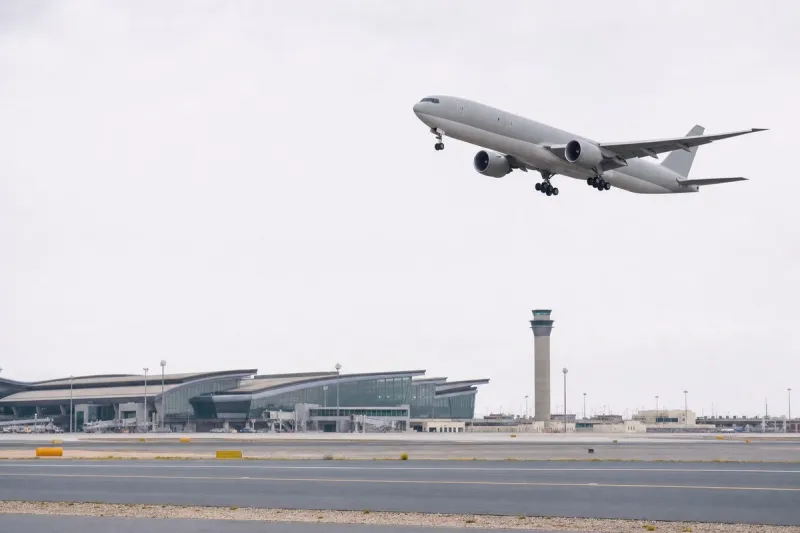
Norwich Airport serves roughly 1.5 million people within a 90-minute drive, spanning Norfolk, Suffolk and parts of Cambridgeshire. Its year-round services include KLM flights to Amsterdam, used widely for onward international connections, alongside Ryanair and TUI leisure routes. Ryanair's Summer 2026 schedule at Norwich includes three routes — Alicante, Faro and Malta. Passenger numbers rose 5% year-on-year between 1 April and 31 October 2025, reaching 332,251. Operator reporting for the 12 months to 31 March 2026 described continuing passenger growth, supported by Ryanair expansion and steady demand on KLM and TUI services. Regional & City Airports, in performance updates covering the year to 31 March 2026, highlighted Norwich's role serving the offshore energy sector and noted increased helicopter activity alongside growth in commercial passenger services.
Industry impact & what to watch
This dispute belongs to a familiar dynamic at regional airports: a single labour action closes a facility for a day, but the economic exposure comes from the uncertainty that follows, not from that one stoppage. Once passengers and companies start planning around the possibility of further closures, behaviour changes even on days when the airport operates normally.
Regional airports depend on a narrow set of anchor tenants — here KLM's Amsterdam connection, Ryanair's leisure network and TUI charters — plus a secondary role serving time-sensitive traffic such as North Sea helicopter crew changes. Low-cost and leisure carriers can shift frequency or basing decisions to other airports if disruption recurs, and businesses can reroute travel through London or move meetings online, both of which erode the local spending tied to travel, from parking to hospitality.
What determines whether this becomes a lasting shift rather than a one-off is how the pay and conditions dispute resolves and whether ATC staffing stabilises enough to prevent the sickness-and-strike combination from producing further ad hoc closures. The next test is whether Ryanair, KLM and TUI hold their scheduled capacity into subsequent seasons or begin adjusting frequency at Norwich in response to continued disruption risk.