Dragonfly Helicopters Signs 17-Aircraft Deal with Norsk Luftambulanse, Sells Stake to Cognia
Why It MattersThe deal signals growing investor appetite for financing specialised helicopter fleets tied to critical infrastructure and emergency services, where operators trade ownership for long-term operating certainty.
What happened
Dragonfly Helicopters, an Oslo-based aviation finance company, announced two milestones in August: a 17-helicopter financing agreement with Norwegian air ambulance operator Norsk Luftambulanse, and the sale of a stake in its parent company to investment group Cognia.
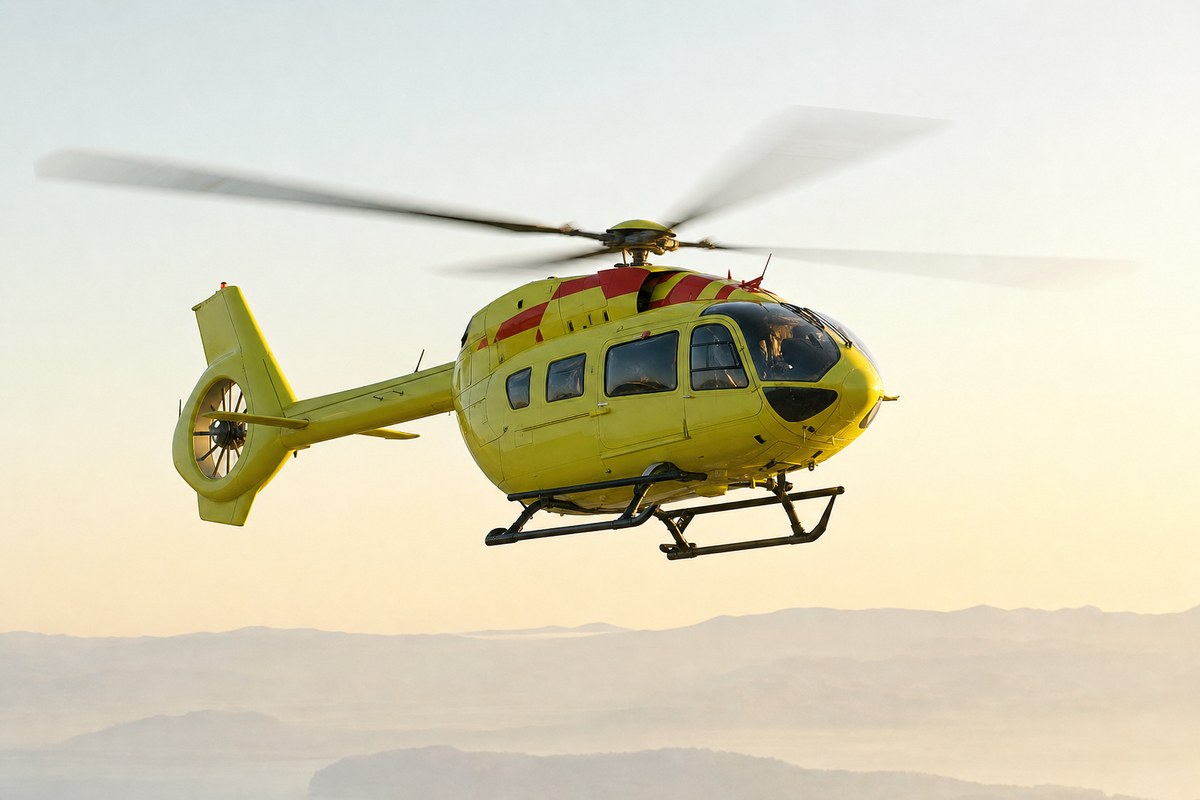
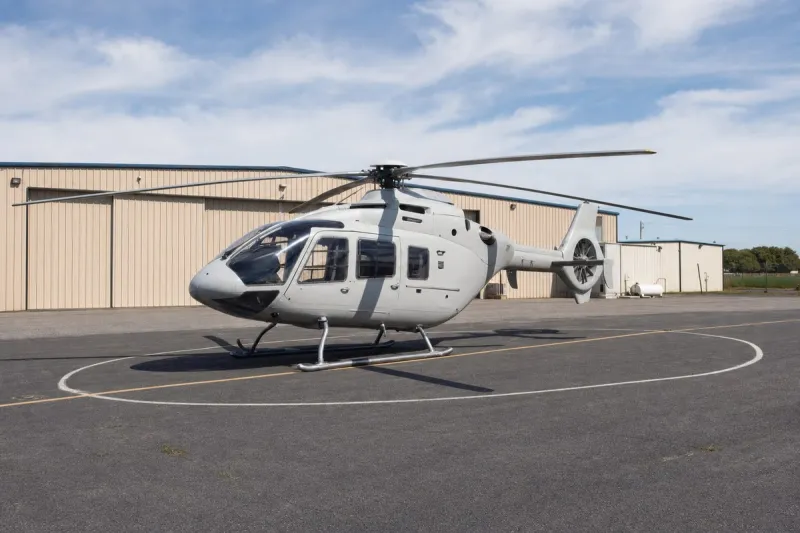
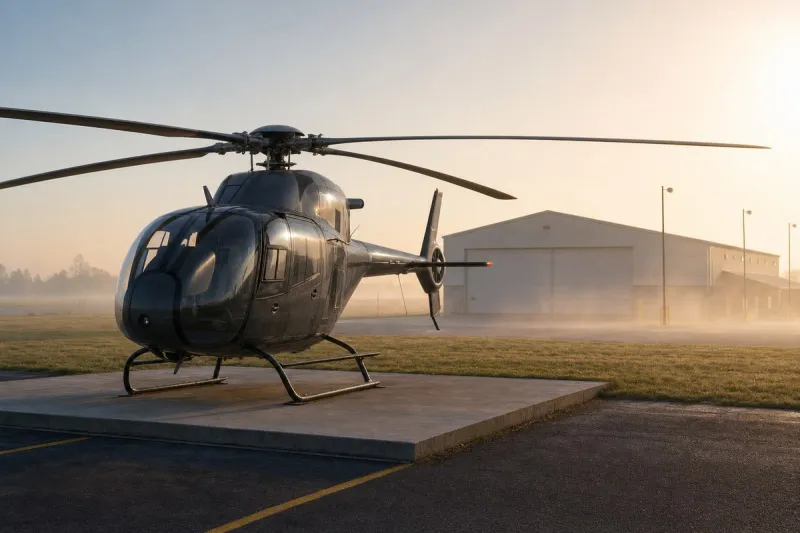
The Norsk Luftambulanse agreement covers 17 Airbus H135 and H145 helicopters and is described as the largest single contract in Dragonfly's history. Under the arrangement, Dragonfly will acquire ownership of the fleet while Norsk Luftambulanse continues to operate the aircraft; the contract begins in 2028 and runs for up to 10 years. Leif Olstad, CEO of Norsk Luftambulanse, said: "The fact that we have found a solution together with a Norwegian company, supported by Norwegian financing, is something we see as very positive."
Separately, Cognia is acquiring a stake in Dragonfly's parent company, Kjell A Østnes, an authorised Airbus Helicopters distributor in the Nordic region providing sales, maintenance, parts, painting and other helicopter services. The Østnes family will remain a significant shareholder and development partner. Cognia operates across six business areas including healthcare, emergency preparedness and capital, and will contribute financing and aviation expertise, including through its ownership of Vipe21, a Norwegian aviation engineering and certification company.
Thomas Wellén, CEO of Dragonfly, said the Cognia partnership provides "a stronger platform to scale," citing demand for specialised helicopter assets supporting air ambulance services, power line maintenance, fire and rescue, police operations and offshore activities. Wellén joined Dragonfly in 2020 when the company had six helicopters on lease; the portfolio has since grown to 17 helicopters, including an AW139 and two H145s, deployed across the Nordic region and Europe. Dragonfly and the Østnes family are targeting a helicopter fleet valued at NOK 2.5 billion ($269.4 million) by 2028, focused on critical infrastructure, healthcare and emergency preparedness. Grant Larsen, CEO of Cognia, said: "Critical infrastructure and emergency preparedness are becoming increasingly important, and we see significant value in ensuring that expertise, ownership and decision-making remain anchored in Norway."
Structure of the arrangement
The Norsk Luftambulanse contract separates asset ownership from operations: Dragonfly holds title to the 17 Airbus H135 and H145 helicopters while the air ambulance operator keeps flying them, a structure that lets the operator avoid tying up capital in aircraft it needs for a specific mission over a fixed term. The 2028 start date and up-to-10-year duration give both sides a long runway to plan fleet transitions.
On the ownership side, the Cognia stake purchase brings outside capital and engineering capability into Kjell A Østnes without displacing the founding family, who remain shareholders and development partners. Wellén's growth from six leased helicopters in 2020 to a 17-aircraft portfolio today, plus the NOK 2.5 billion target by 2028, frames this as a scaling moment rather than a one-off transaction.
Industry impact & what to watch
This pairing of an operating-lease-style fleet deal with a capital injection into the leasing company itself illustrates how specialised helicopter segments — air ambulance, power line work, fire and rescue, police, offshore — are increasingly financed separately from how they are operated. Operators secure guaranteed aircraft access without owning the asset, while financing firms and their new investors take on the capital risk in exchange for long-term contracted revenue.
In this segment, keeping decision-making and expertise anchored locally, as Cognia's Larsen framed it, matters because critical infrastructure and emergency-preparedness missions often carry national-security or public-service sensitivities that pure financial buyers may not prioritize. Vipe21's engineering and certification capability adds a technical layer to Cognia's involvement beyond capital alone.
What happens between now and 2028, when both the Norsk Luftambulanse contract begins and the NOK 2.5 billion fleet-value target is set, will show whether Dragonfly's stated plans — expansion beyond the Nordics, a larger EMS fleet, and more H125s on critical infrastructure missions — translate into signed contracts of similar scale.