Mount Etna forces repeated Catania Airport closures in summer 2026, prompting Sicily to expand backup capacity
Why It MattersRecurring volcanic disruption is pushing a regional aviation system toward permanent multi-airport contingency planning rather than treating ash closures as isolated emergencies.
Mount Etna forced flights to stop at Catania Fontanarossa Airport on 14 September 2026 after emitting a volcanic ash cloud, the latest in a string of disruptions across the summer that Italian authorities now describe as a recurring operational constraint rather than an exceptional emergency. Airport operator SAC closed sections of surrounding airspace before extending restrictions as conditions worsened, advising passengers to check flight status with their airlines; SAC said prevailing winds at altitude contributed to the closures.
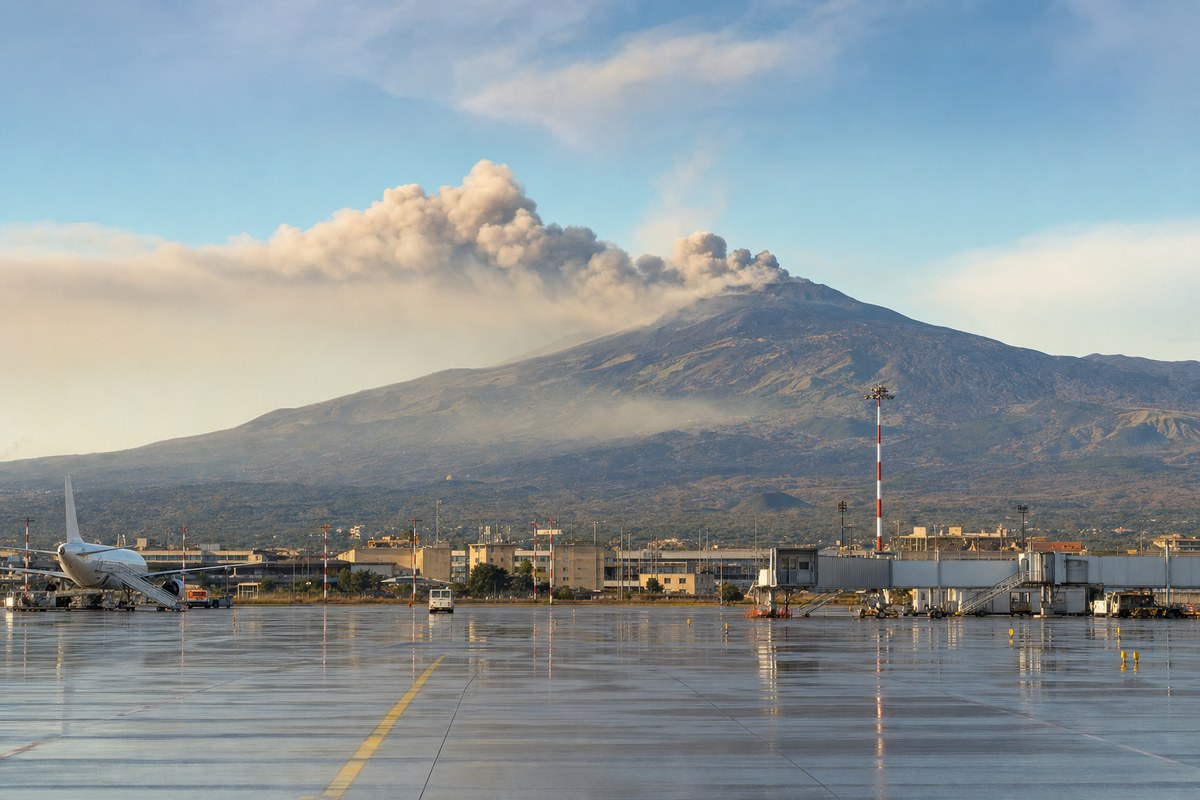
Italy's National Institute of Geophysics and Volcanology (INGV) raised Etna's aviation colour code to red and issued a Volcano Observatory Notice for Aviation at 04:43 UTC that day reporting ongoing ash emission. INGV's records show red aviation alerts on multiple dates from 30 July through 14 September. The eruptive activity had intensified on 6 August, and by 12 August around 700 flights at Catania had been affected, according to the Sicilian regional government, with Comiso and Palermo also affected per Italy's civil aviation authority ENAC.
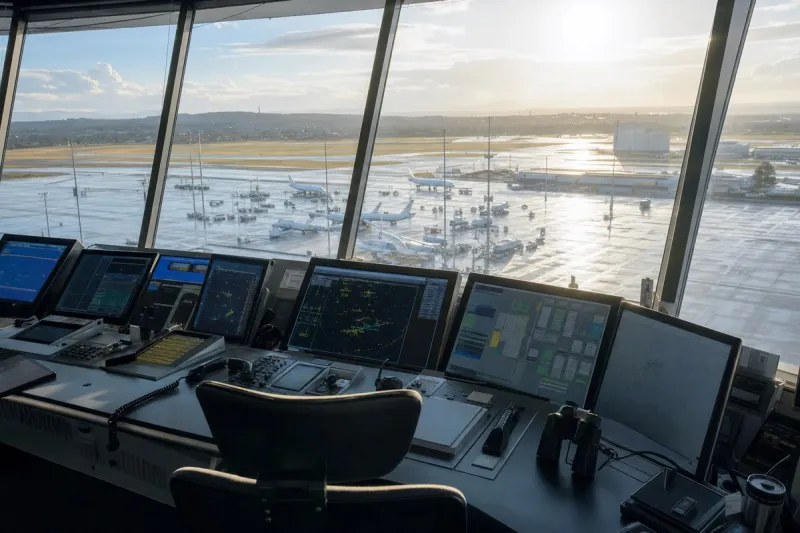
ENAC set up a crisis committee with air navigation provider ENAV, INGV, the Italian Air Force and SAC, and said volcanic ash combined with southerly winds caused complete closures of Catania's airspace and diversions, particularly to Palermo. The Sicilian regional government added more than 100 bus services and strengthened rail links between Palermo and Catania during the August disruption, a response ENAC later praised.
With no single alternative able to absorb all of Catania's traffic, and diverted passengers needing road or rail to reach eastern Sicily, the regional government is now tying investment in Comiso Airport, about 70 kilometres southwest of Catania, to the lessons of the Etna disruptions. Regional president Renato Schifani said the emergency confirms the need to strengthen the island's airport system, particularly Comiso, where new resources will be invested to increase capacity and operations. Catania Fontanarossa, which opened in 1924 and now handles more than 10 million passengers a year, was not assessed as facing significant volcanic risk when it was built.