Norwich Airport disruption exposes broader structural challenges for UK regional aviation
Why It MattersRegional airport disruptions reveal a self-reinforcing cycle in which staff shortages, reduced pilot training and declining aviation activity jointly erode the infrastructure and workforce pipeline that underpins UK aviation's long-term resilience.
What happened
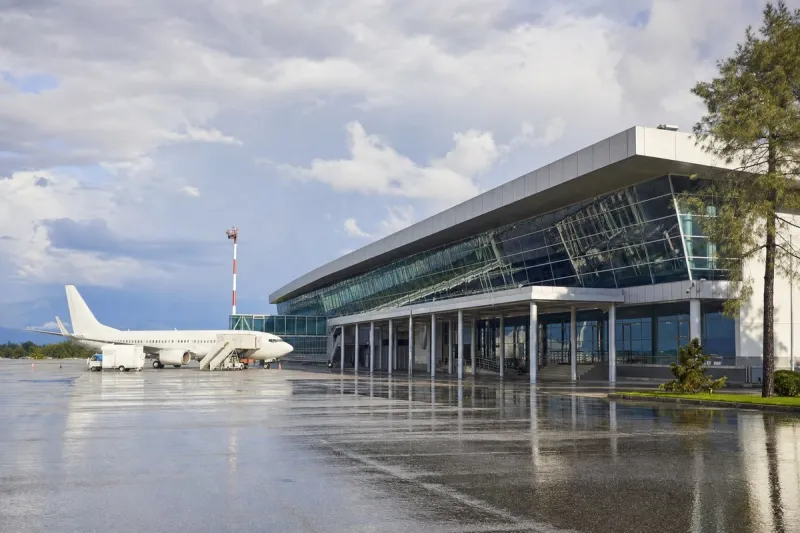
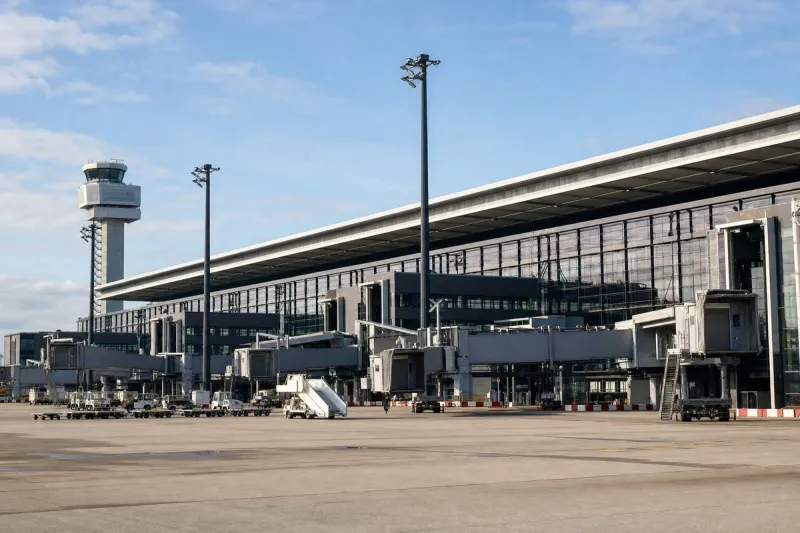
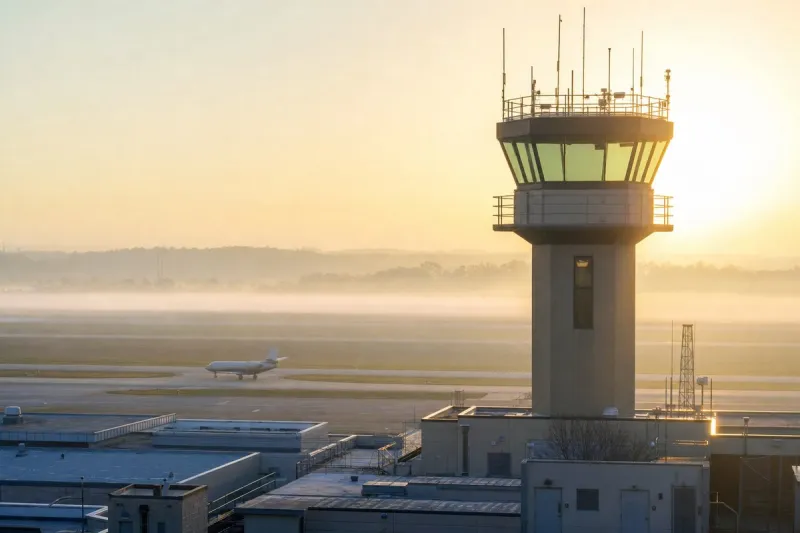
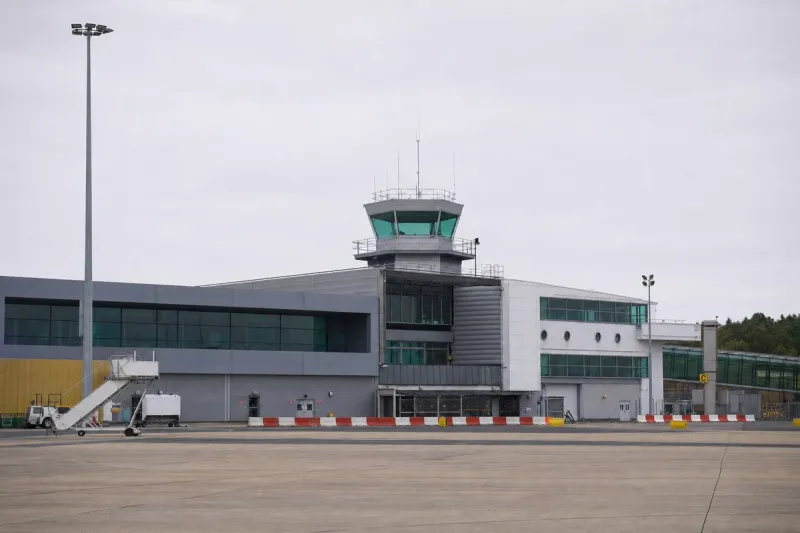
Industrial action at Norwich Airport last week disrupted operations well beyond scheduled passenger services, affecting offshore energy operations, supply chains supporting UK gas infrastructure, wind farm construction schedules and pilot training activities.

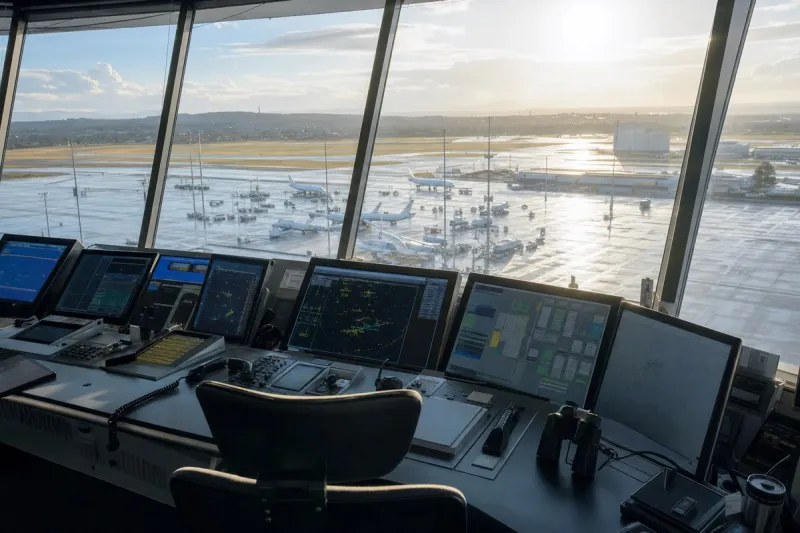
Later the same week, UK air traffic control issues on 8 September caused further disruption. The two incidents together illustrated how regional airport and air traffic operations connect to sectors including offshore energy, engineering, emergency services and business travel.
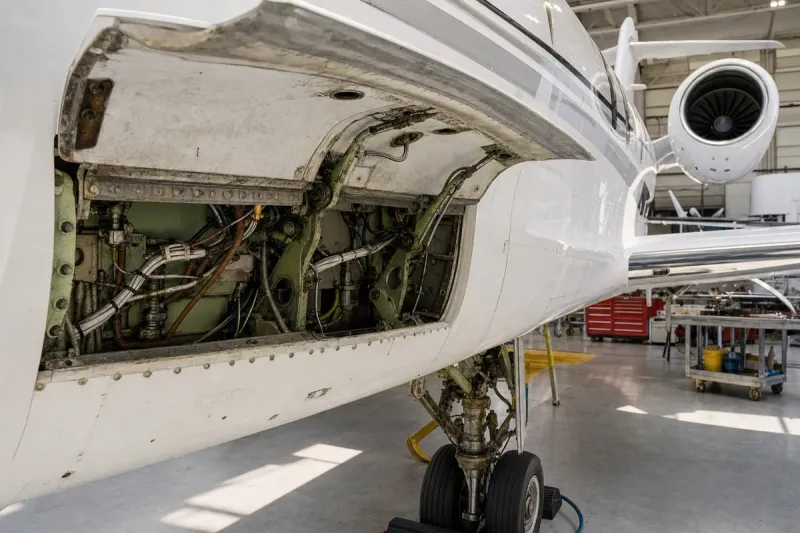
Air traffic systems depend on trained controllers, and industry commentary noted that future resilience depends on a steady pipeline of pilots, engineers and aviation professionals entering the field.
Industry impact & what to watch
The Norwich Airport disruption and the separate air traffic control issues both point to aviation functioning as a tightly interdependent system, where a single weak link — whether a labour dispute at a regional airport or a controller shortfall — can ripple into industries far removed from passenger travel, including offshore energy and wind farm construction.
A structural cycle underlies both events: staff shortages reduce operational resilience, reduced pilot training contributes to future personnel shortages, and declining aviation activity threatens the long-term viability of regional airports themselves. Business and general aviation are described as playing a role in breaking that cycle by connecting businesses to markets and offering career pathways for young people in regions such as Norfolk, even though these segments are often overlooked in national policy discussions.
The UK government's attention to future flight technologies, including sustainable aviation fuel, electric propulsion and advanced air mobility, sits alongside a separate question of whether today's existing airports, training organisations and regional workforce are being protected. Whether policy attention extends to preserving current regional aviation infrastructure, rather than only funding next-generation technology, is the point worth watching as these structural pressures continue to surface.