Joby Aviation Yet to Fly a Paying Passenger as It Targets Airport Routes and FAA Certification
Why It MattersThe trial signals eVTOL air-taxi service still hinges on certification milestones and airport-based route economics before any operator can generate fare revenue.
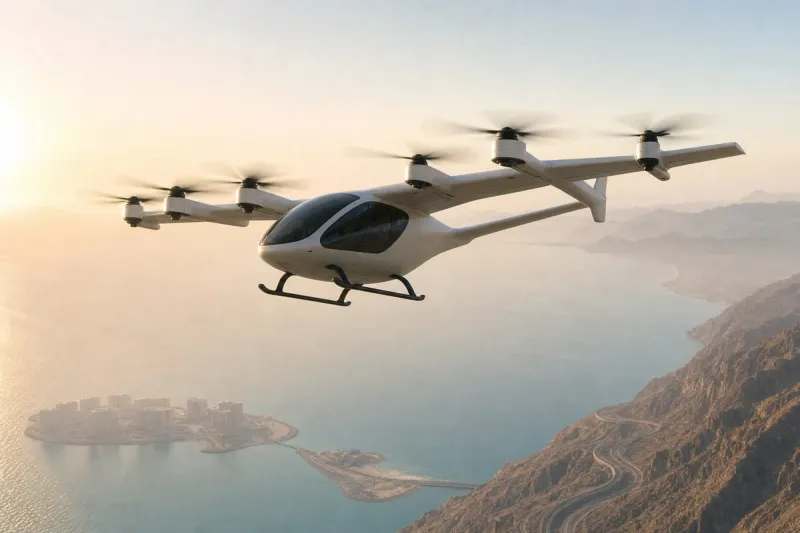
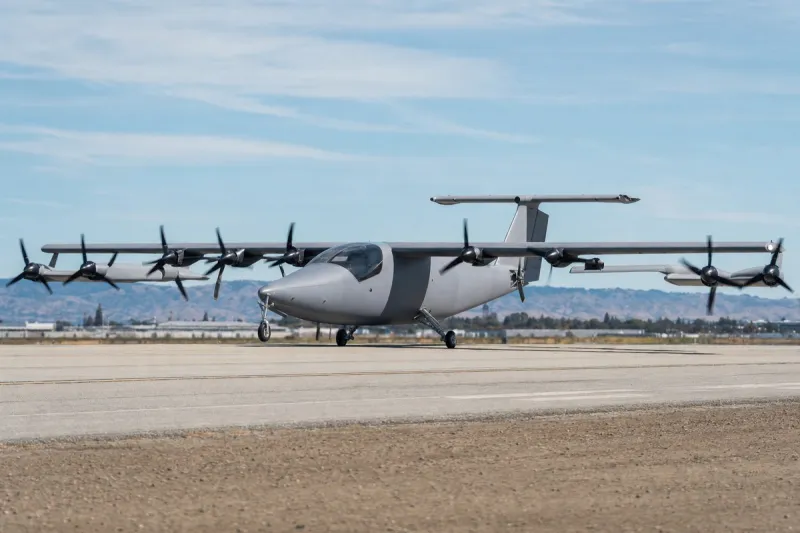
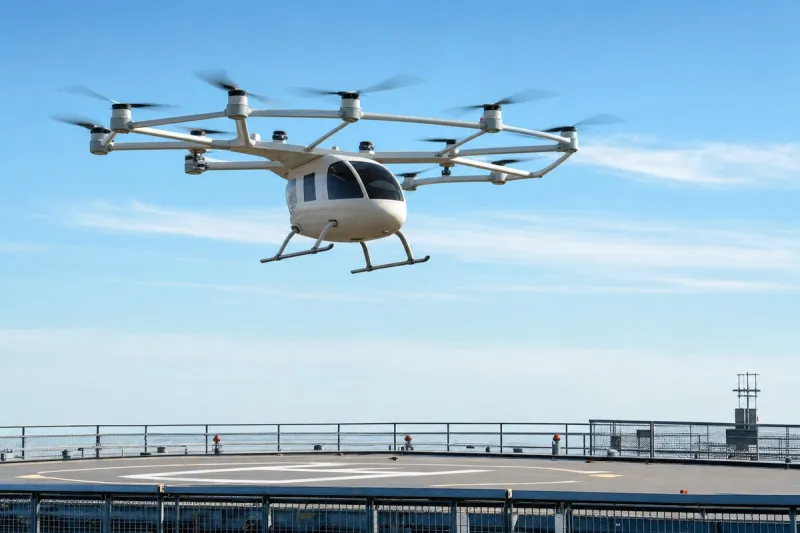
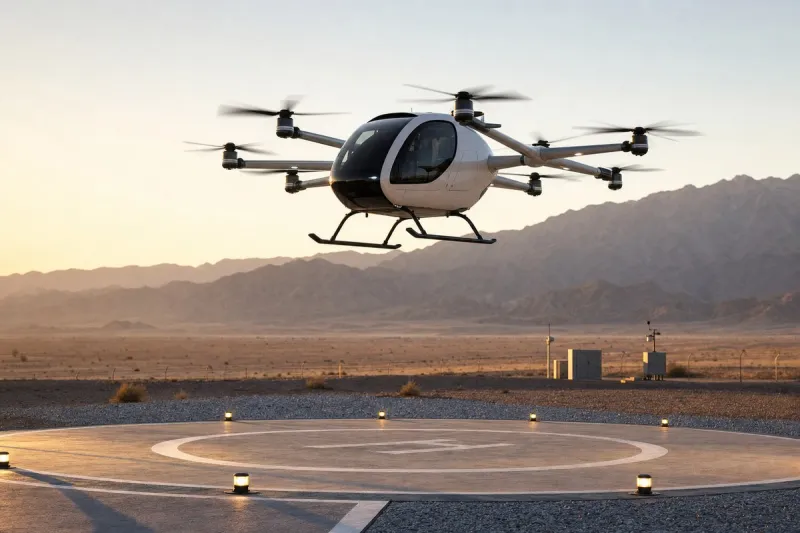
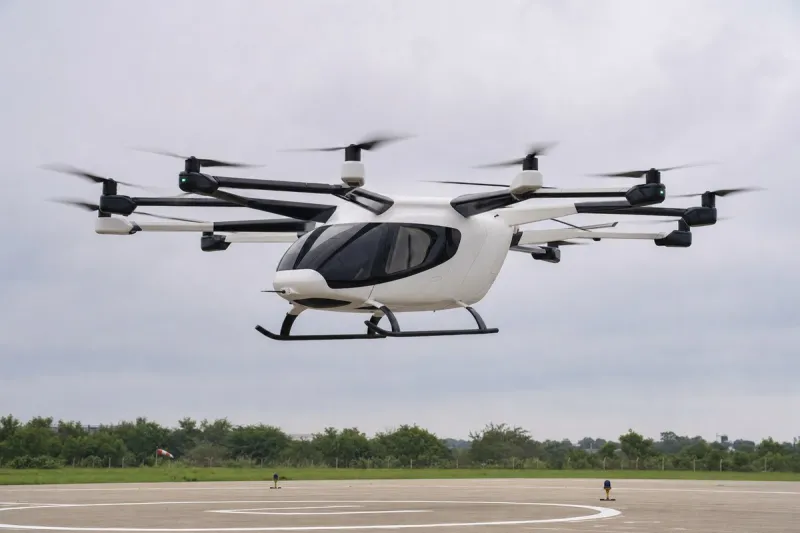
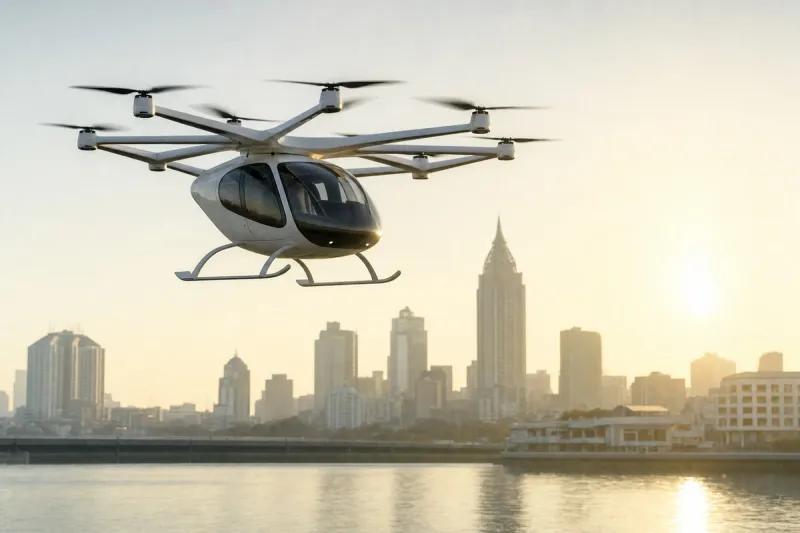
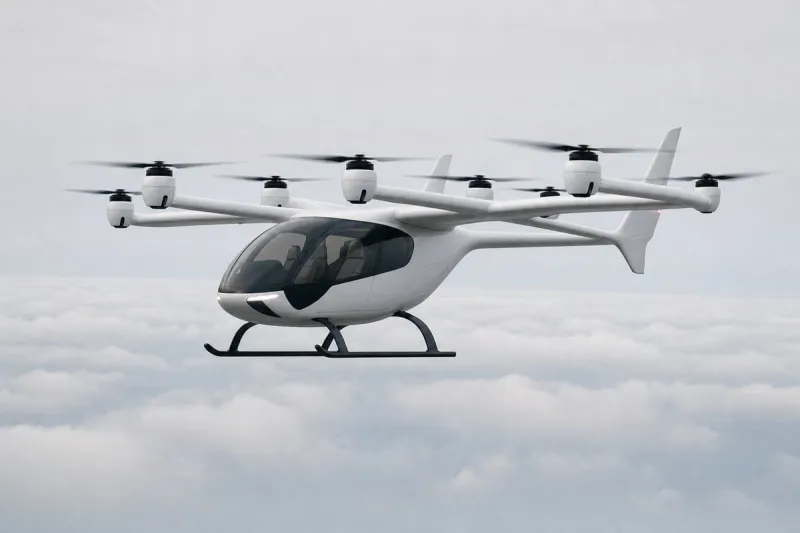
Joby Aviation has spent 17 years and billions of dollars developing its electric air taxi but has not yet carried a paying passenger, with three hurdles still standing between the company and commercial service. The four-seat aircraft is built for passengers with small carry-on bags, flying roughly eight minutes to reach a city center or 15 minutes to a destination that would otherwise take an hour by road, and will be flown by pilots rather than autonomous systems.
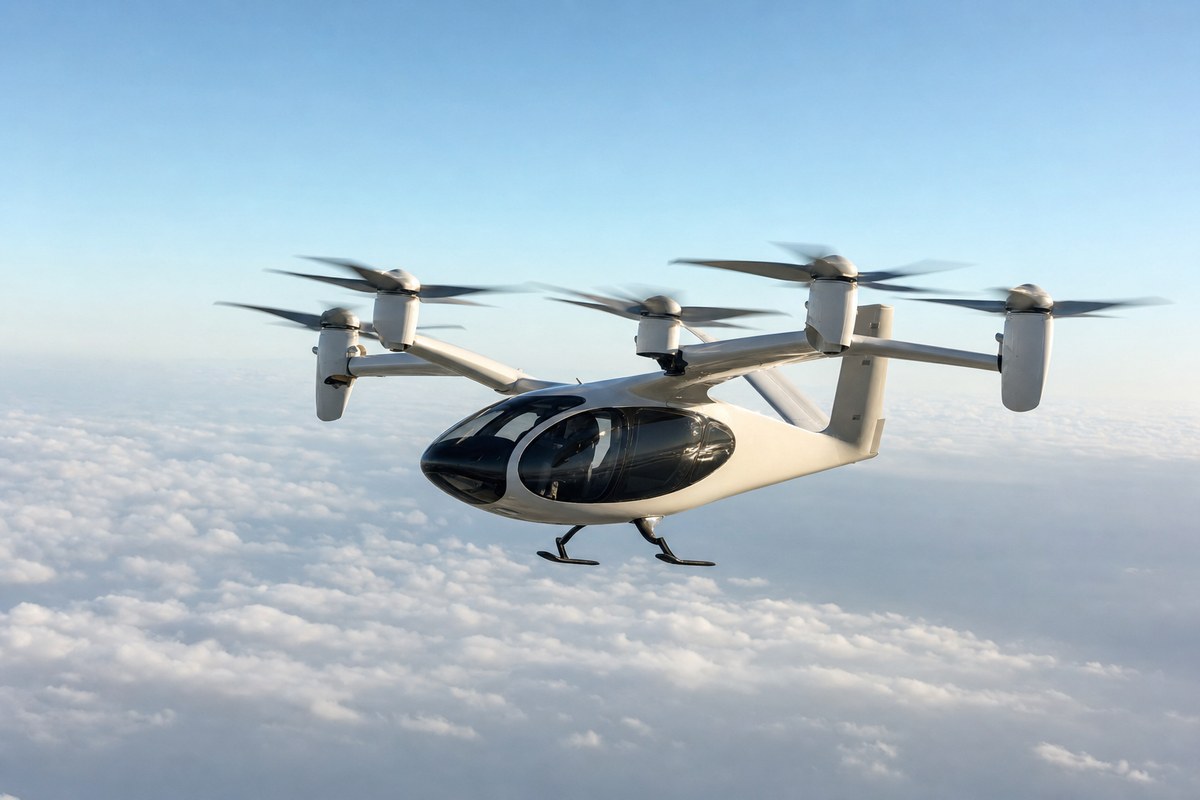
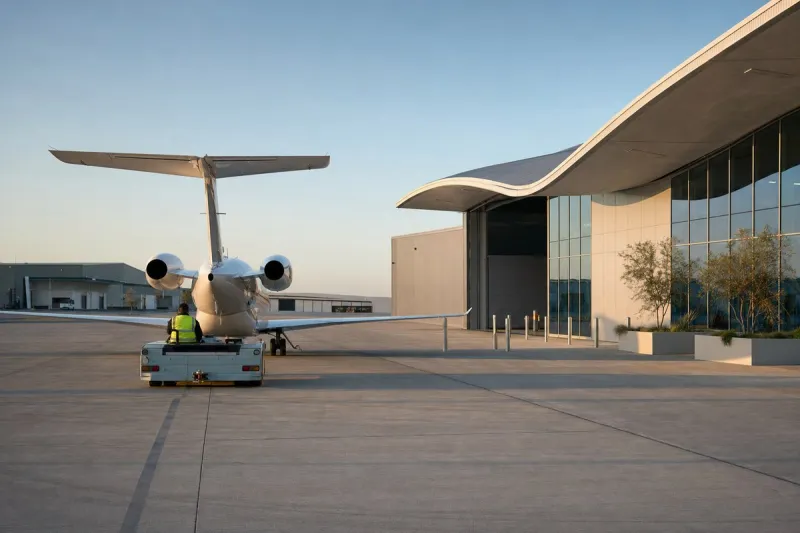
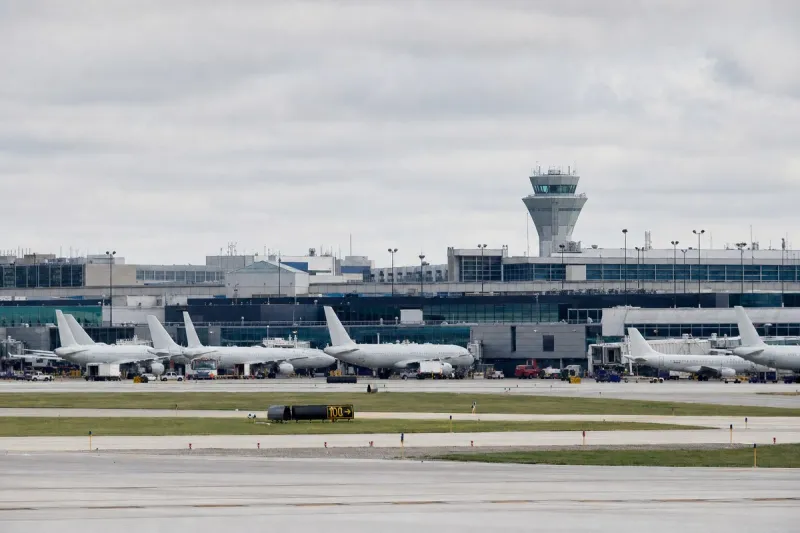
Joby flew its air taxi around Dallas-Fort Worth Airport from September 10 through September 14 under the White House-backed eVTOL Integration Pilot Program, with pilot-only flights carrying no revenue passengers so the FAA could gather operational data ahead of certification. Fare-paying passengers will follow certification through a gradual transition overseen by the FAA, and founder and CEO JoeBen Bevirt has said he wants to take the first seat himself.
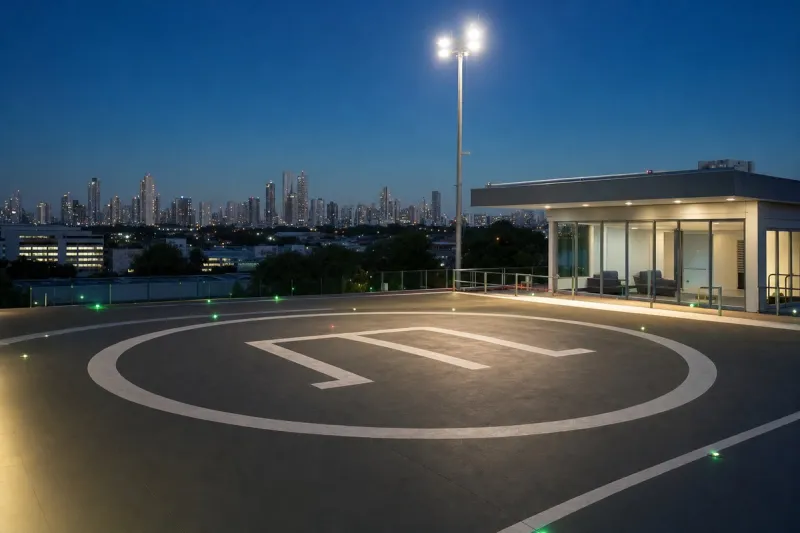
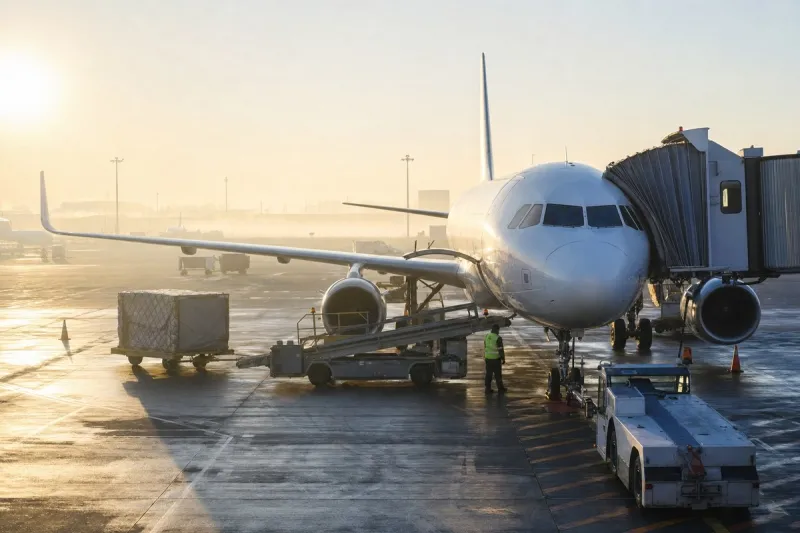
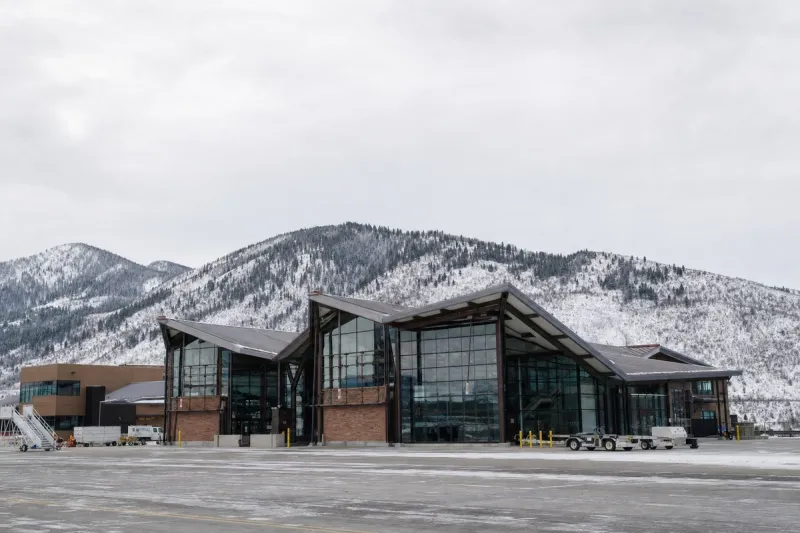
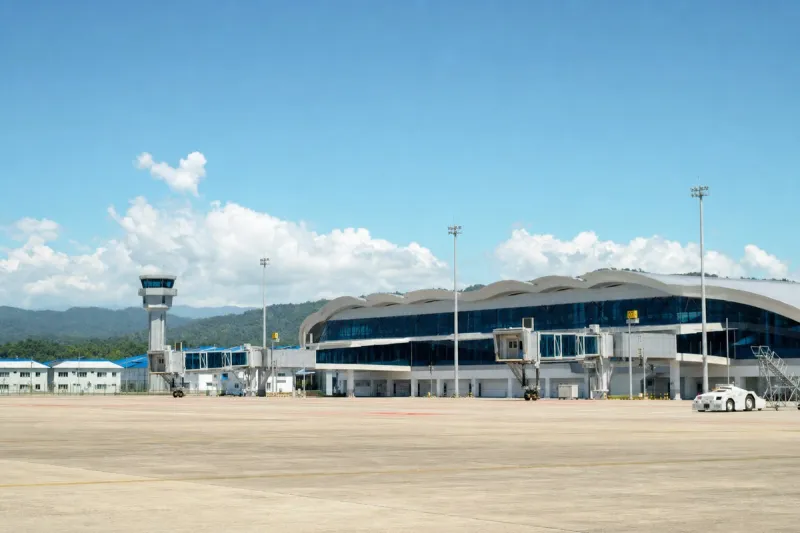
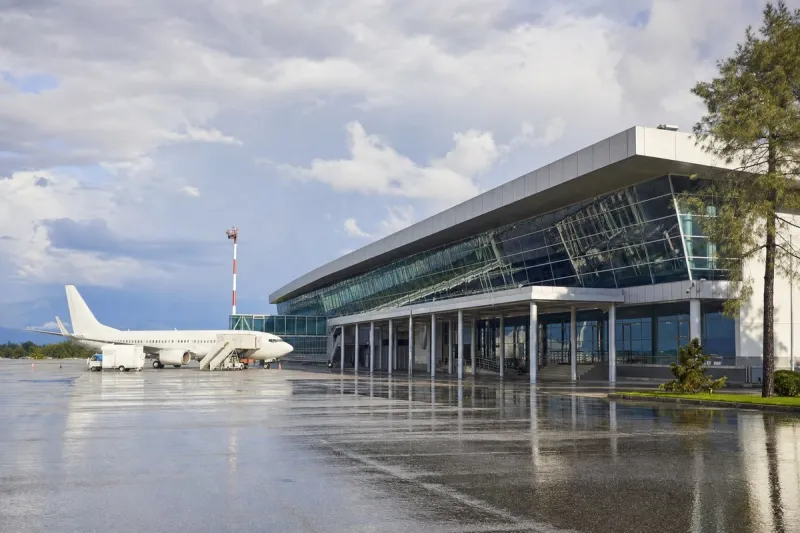
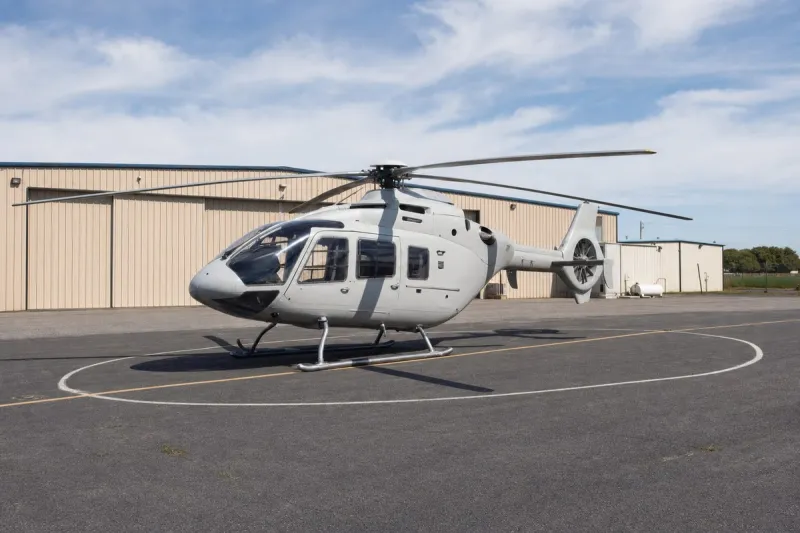
Airports are Joby's intended starting point because steady two-way passenger flows keep aircraft earning rather than flying empty. Virgin Atlantic is Joby's airline partner in the United Kingdom, operating long-haul flights out of London Heathrow and Manchester Airport, while in the United States Blade has long offered helicopter flights from Manhattan to JFK and Newark and will direct passengers toward luggage courier options.
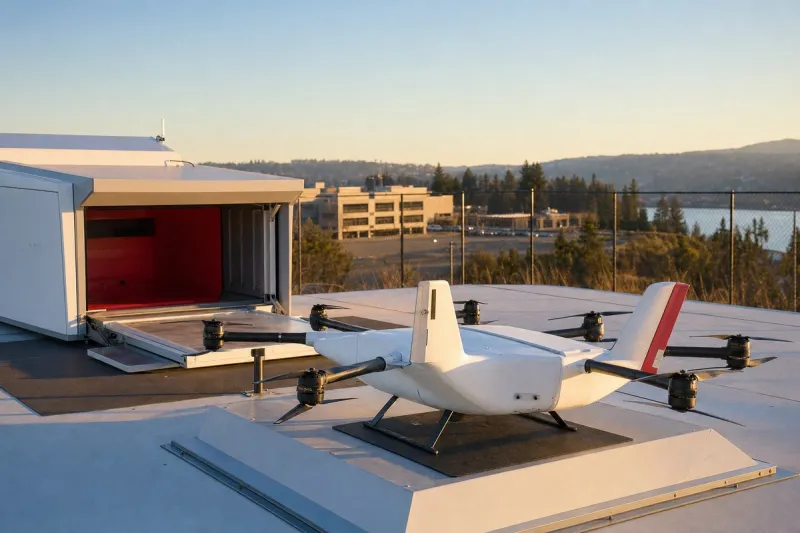
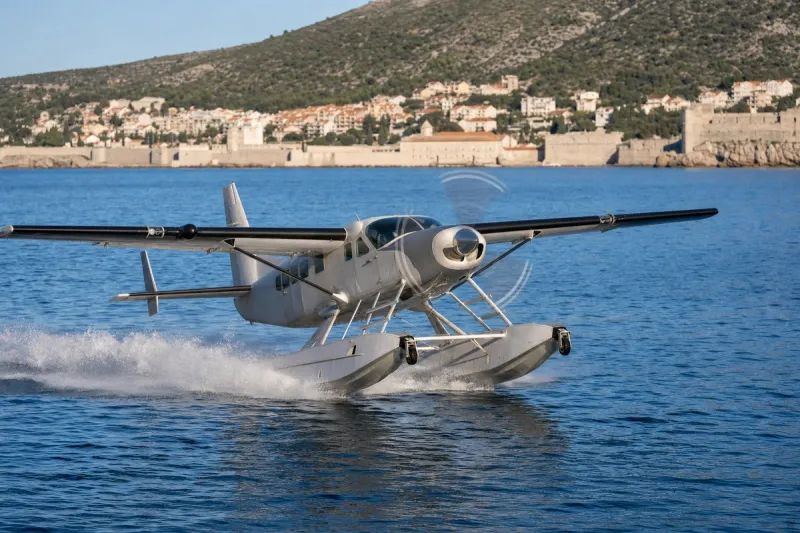
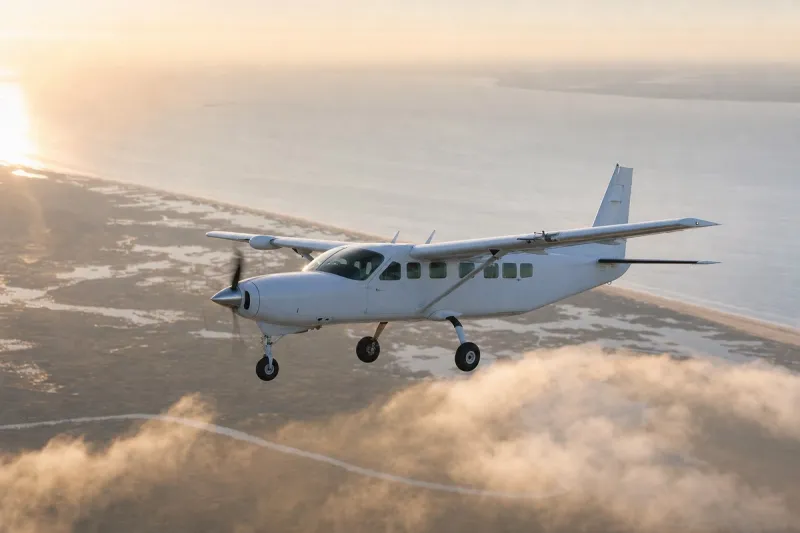
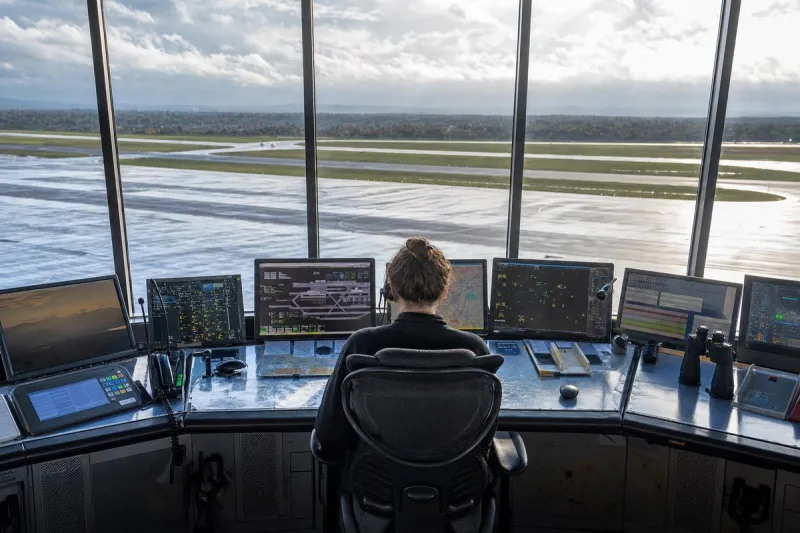
Separately, a converted Cessna Caravan designated the J208 left Concord, California on September 8 to run a 10-state cross-country tour testing Joby's autonomy software across more than 400 flights and 800 automated flight hours. The aircraft is flown remotely, with a ground-based pilot managing the flight plan and air traffic control communications and a monitoring pilot aboard only on selected legs; controllers in Guam flew the aircraft from 4,000 miles away during a military exercise. Joby said the autonomy technology is being developed for freight and logistics applications.