FAA Projects $100 Million Tariff Cost for $12.5 Billion Air Traffic Control Modernization Plan
Why It MattersTariff-driven cost inflation on imported avionics and radar components is becoming a structural line item in large government modernization budgets, pushing suppliers toward reshored U.S. production.
What happened
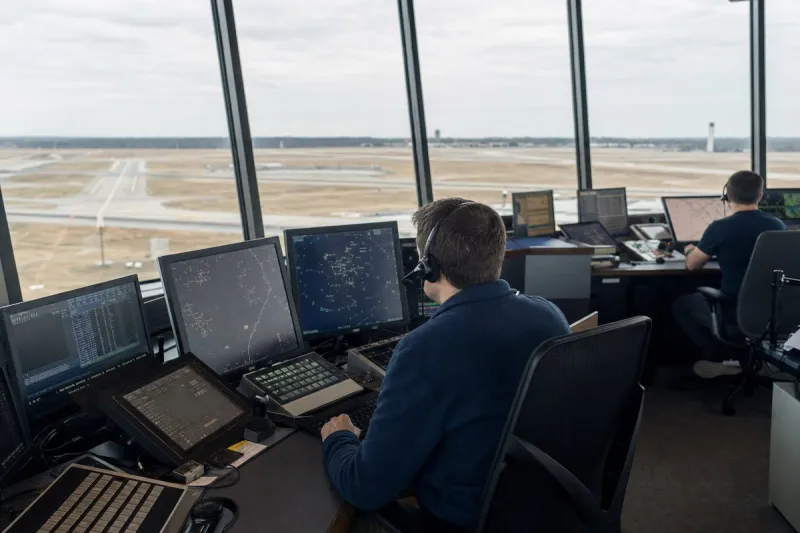
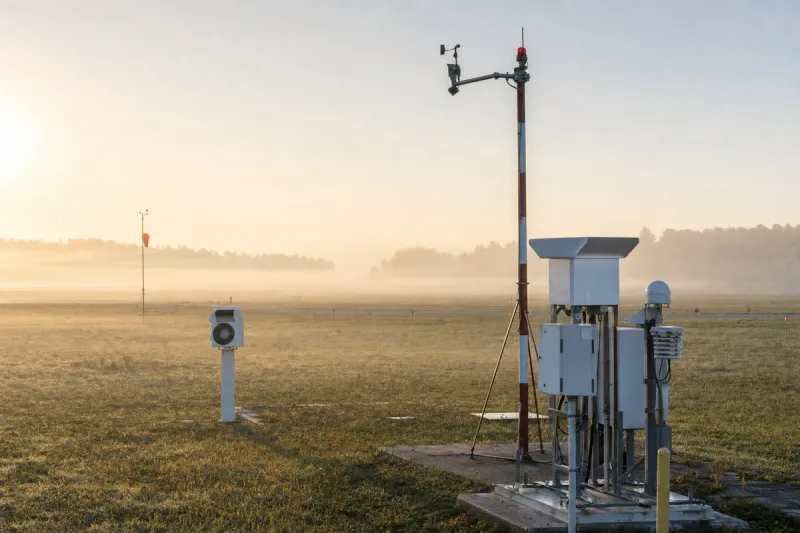
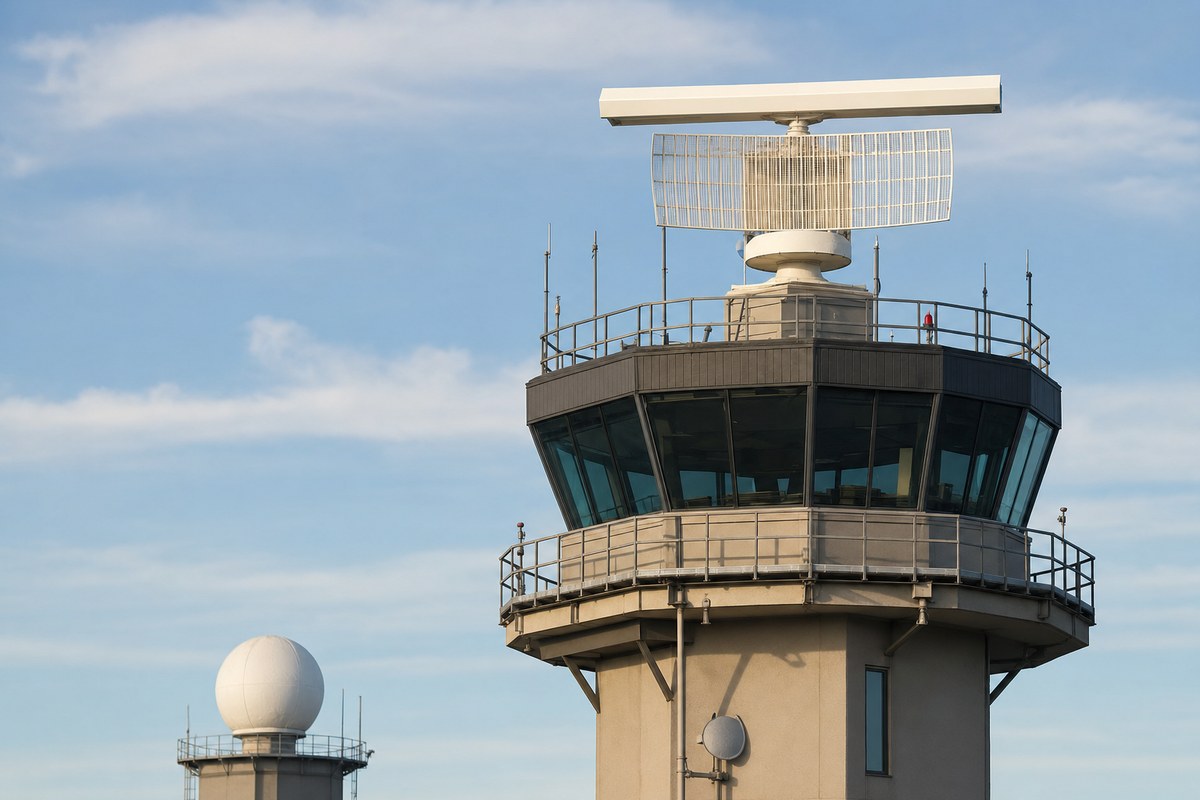
FAA Administrator Bryan Bedford told lawmakers on September 17 that the agency expects approximately $100 million in additional costs from tariffs affecting its air traffic control modernization program, which is funded at more than $12.5 billion. U.S. Representative Rick Larsen, a Washington Democrat and ranking member of the House committee overseeing the FAA, said the tariff cost stems largely from air traffic radar systems the agency is purchasing. Larsen criticized the added expense, saying, "We're trying to get the national aerospace system modernized and we're going to pay tariffs because of the president's policies."
Congress approved the $12.5 billion funding package last year to address the aging air traffic control system and expand controller hiring, following decades of complaints about airport congestion, flight delays, and a series of recent technology failures. The FAA is seeking at least an additional $10 billion for a second phase of the modernization effort. A government report released this week said the cost of telecommunications upgrades has risen from $4.75 billion to $5.91 billion, and Bedford said outdated telecom copper wires should be replaced by September 2027.
Bedford also disclosed that two radar suppliers — RTX's Collins Aerospace and Spain-based Indra Group — are relocating radar production to U.S. facilities in Largo, Florida, and Kansas, respectively. In January, the FAA awarded $780 million in contracts to RTX and Indra to replace up to 612 ground-based radars, most of which date to the 1980s. In March, RTX announced a $26.5 million investment in its Largo facility to expand production, while Indra said it was investing $7.5 million in a radar facility in a Kansas City suburb to build next-generation air traffic surveillance radars. Indra is also building next-generation digital radios for the FAA at the Kansas site under a separate $244 million contract.
Industry impact & what to watch
This case shows how trade policy now reaches directly into procurement budgets for infrastructure that has nothing to do with trade disputes themselves: a tariff regime aimed broadly at imports lands as a line-item cost on radar hardware the FAA needs regardless of where it is made. Large multi-year government programs like this one are especially exposed because contracts are signed years ahead of delivery, leaving agencies absorbing cost swings that show up only when equipment ships.
The reshoring moves by Collins Aerospace and Indra Group illustrate one way suppliers respond to that exposure — shifting radar production to Largo, Florida, and Kansas gives both companies a way to insulate future FAA contracts from tariff costs, even as the current $100 million hit stems from purchases already underway. Telecom upgrade costs rising from $4.75 billion to $5.91 billion in the same program adds a separate, non-tariff pressure on the same budget, underscoring how modernization costs can climb from multiple directions at once.
Whether the FAA secures the additional $10 billion it is seeking for the program's second phase will determine how much further budget pressure the agency can absorb, and the September 2027 target for replacing outdated telecom copper wires gives one concrete milestone against which progress can be measured.