Austin-Bergstrom International Airport Proposes New Fees for General Aviation Aircraft Starting October 1
Why It MattersAs airports fund large capital projects through new noncommercial fee structures, general aviation costs increasingly hinge on local event calendars and fuel-fee schedules rather than flat, predictable charges.
What happened
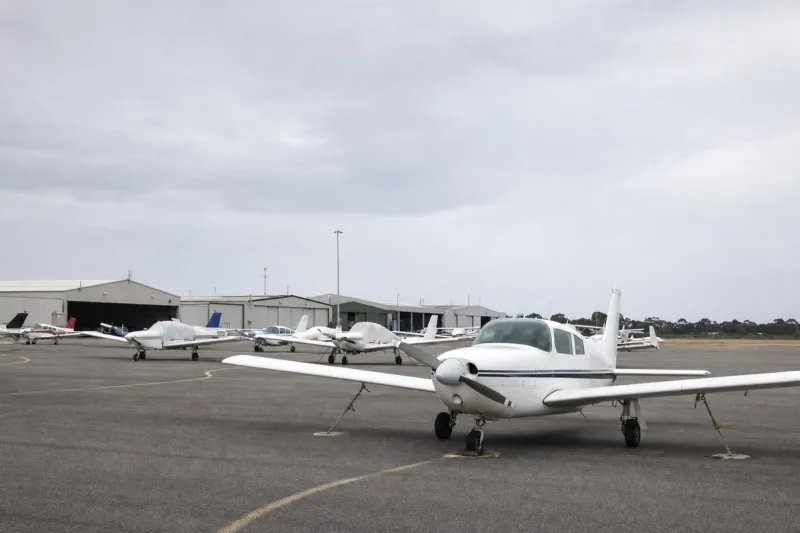
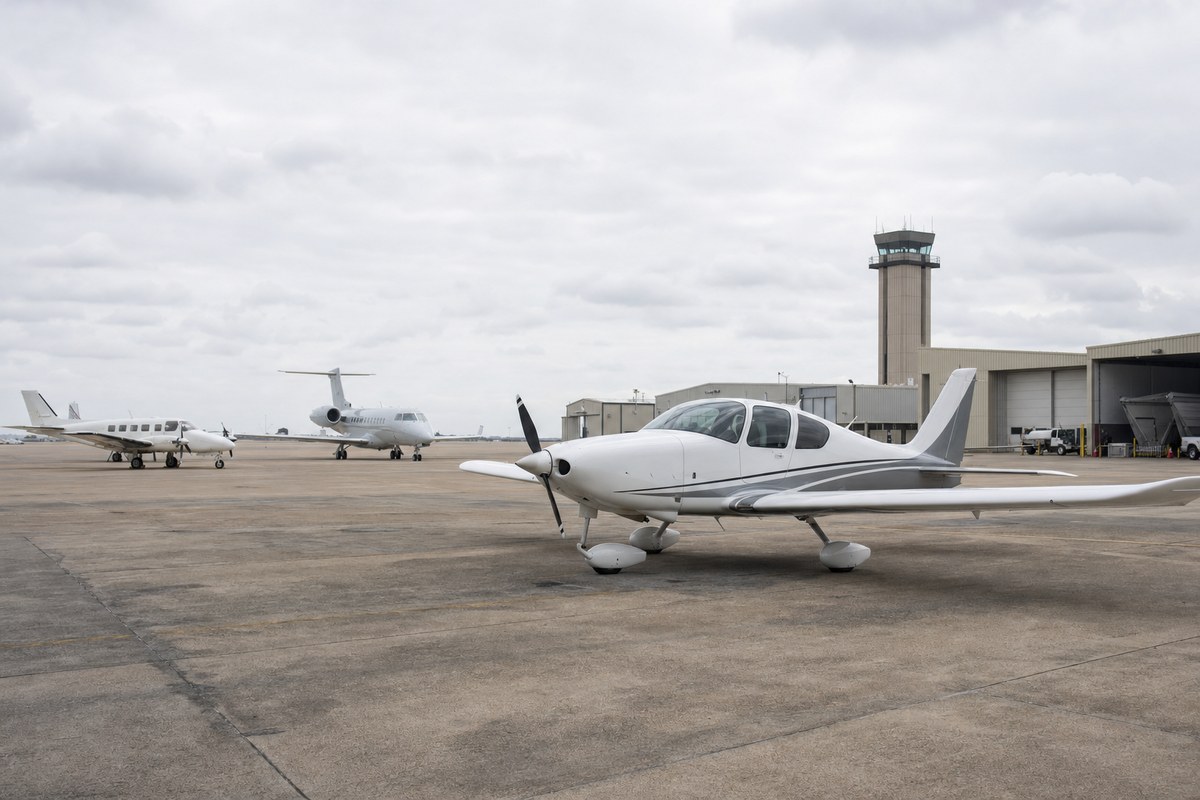
Austin-Bergstrom International Airport is preparing to introduce new fees targeting noncommercial aircraft, with changes potentially taking effect as early as October 1. Under the proposal, noncommercial aircraft weighing less than 12,500 pounds would face a $50 landing fee, rising to $100 during major events such as Formula 1, NASCAR, South by Southwest, and University of Texas football weekends. The plan also includes a 3% increase in hangar rental rates for smaller aircraft.
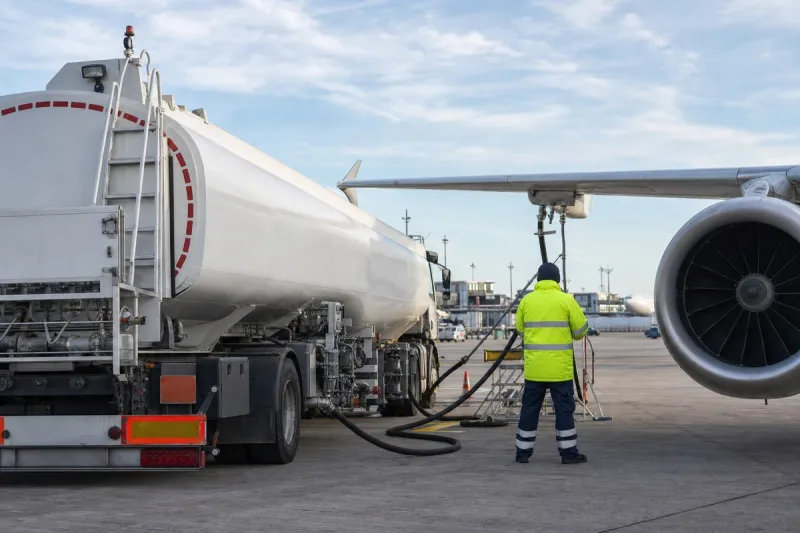
The airport's fuel flowage fee would increase to 12 cents per gallon, followed by annual increases of 2 cents per gallon over five years, eventually reaching 20 cents per gallon. Whether the fuel-fee increase would apply to both commercial and noncommercial aircraft is unclear.
City officials say the fees are expected to generate hundreds of thousands of dollars in additional revenue as Austin advances a multibillion-dollar airport expansion and renovation project. Austin City Council approved a resolution in August 2025 directing the city manager to examine new aviation fees, including landing fees based on aircraft weight and additional charges during periods of high airport activity. The Austin Aviation Department said the proposed rates are intended to keep the airport competitive with other Texas airports, noting that airports in Dallas and San Antonio already charge fees associated with private aviation.
Tom Chandler, a regional manager for the Aircraft Owners and Pilots Association (AOPA), said many general aviation pilots pay operating costs out of pocket rather than passing them on to customers. Chandler also raised concerns about the impact on flight training, noting that student pilots are required to complete takeoffs and landings at controlled airports as part of their certification requirements, and repeated landing fees could significantly increase the cost of earning a private pilot certificate.
Industry impact & what to watch
This proposal fits a broader move by growing metro airports to tie general aviation fees to both aircraft weight and event-driven demand spikes, using landing charges and fuel flowage rates as funding tools for capital expansion rather than as flat administrative costs. Austin's approach of doubling landing fees during Formula 1, NASCAR, South by Southwest, and football weekends signals that noncommercial traffic is increasingly priced like a variable resource tied to airport congestion.
General aviation economics depend heavily on predictable, low fixed costs, since many pilots and flight schools operate on thin margins without the ability to pass landing fees to passengers. Repeated per-landing charges compound quickly for flight training operations, where students may complete dozens of takeoffs and landings at controlled airports to meet certification requirements, making Austin-Bergstrom's fee structure a potential cost driver for local certification pathways.
Whether the fuel flowage increase applies uniformly to commercial and noncommercial operators remains an open question that will shape how the burden is distributed. The next milestone is the fee's effective date and any final adjustments the Austin Aviation Department makes in response to concerns raised by AOPA and other general aviation advocates before October 1.