Mobile Airport Authority Chief Says Electric Air Taxis Are 'Just a Matter of When'
Why It MattersAir taxi rollout depends on paired airports investing together in charging-capable landing infrastructure before wider regulatory and airspace frameworks are finalized.
What happened
J. Adam Hays, acting executive director of the Mobile Airport Authority, told the authority's board at its regular monthly meeting that short-range electric aviation is "just a matter of when it's coming." He made the remarks after attending a conference in Montgomery focused on Advanced Air Mobility (AAM), a concept he said has been under discussion in aviation for roughly a decade.

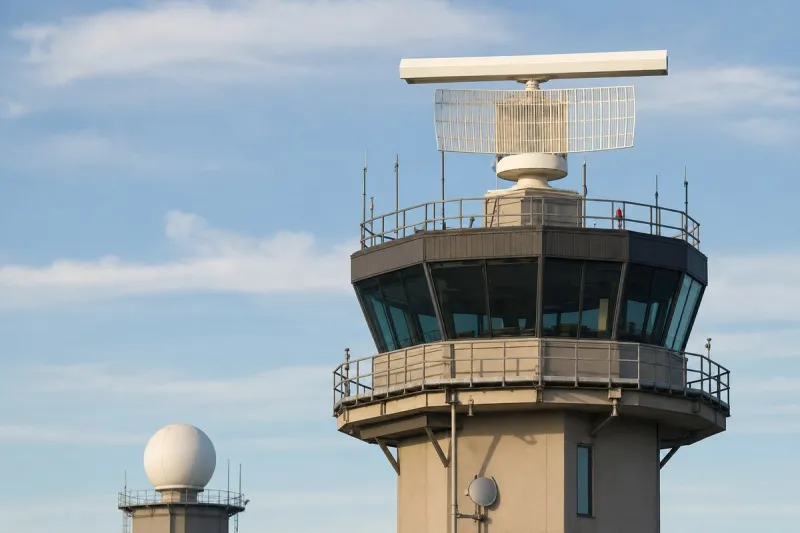
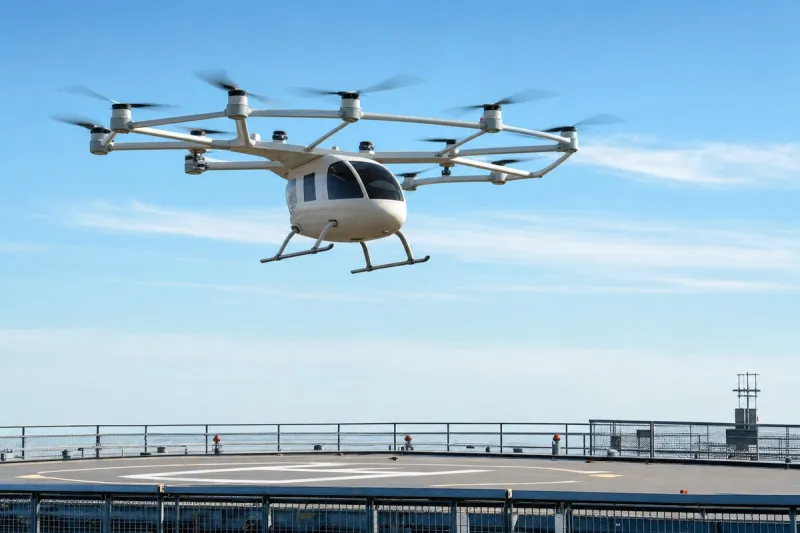
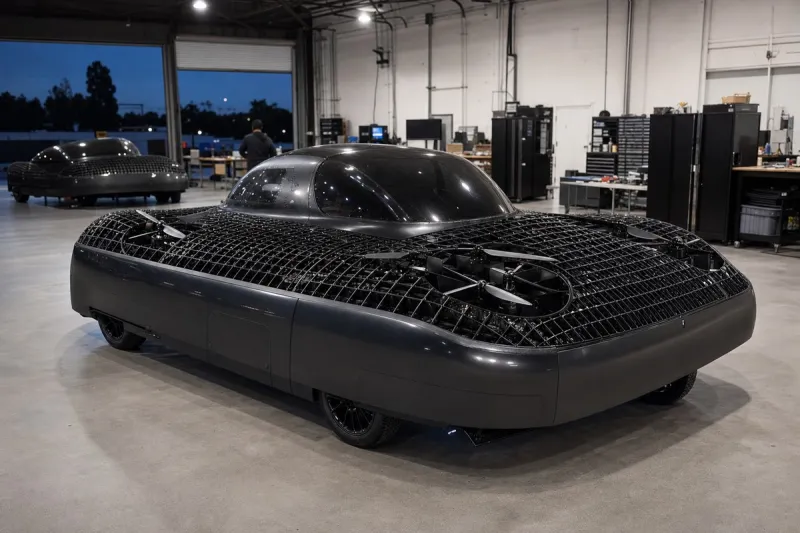
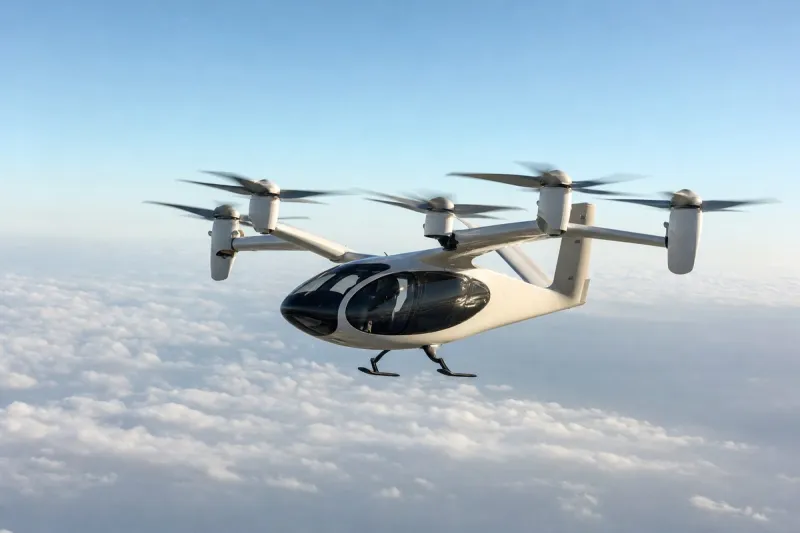
Hays described the aircraft under development as carrying four to six passengers over relatively short distances using electric vertical take-off and landing (eVTOL) technology, which the FAA describes as "highly automated" and which are commonly called air taxis. He said the conference addressed what airport infrastructure would be required, including helipad-style landing areas equipped with charging stations, FAA-developed air maps defining approved operating zones, and new training for air traffic controllers.
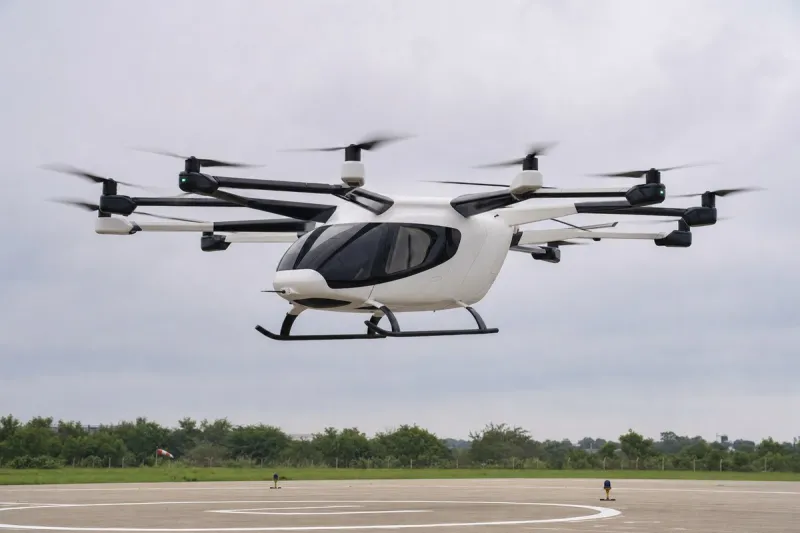
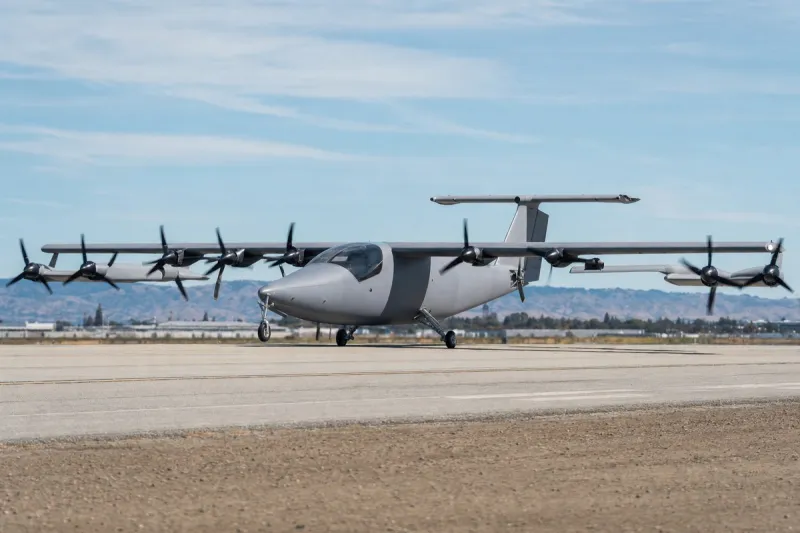
Hays said he arrived at the conference skeptical but left convinced, telling the board, "Before the end of the conference they had me completely sold." He cited possible routes between Mobile and destinations such as Orange Beach as examples of service eVTOL vehicles could enable. He estimated air taxi services could become reality in as little as five years, and said numerous companies are currently in prototyping and case-study phases, noting that some, including Joby Aviation, whose six-rotor eVTOL craft has recently been on a demonstration tour, have begun demonstration flights. He did not name specific manufacturers at the board meeting.
Industry impact & what to watch
Hays's account describes a familiar early-stage pattern in emerging aviation technology: officials attend a specialized conference, return persuaded of an inevitable shift, and then flag the institutional gaps — legislation, funding mechanisms, regulatory frameworks — that still stand between concept and operation. His own caution that airports risk falling behind if they do not plan now is itself part of that pattern, since infrastructure commitments typically precede firm demand in aviation.
The near-term model he described, service running between pairs of facilities that have each invested in compatible charging and landing infrastructure, reflects how new aircraft categories generally scale: operators and airports coordinate route-by-route rather than building nationwide networks first. That makes early corridor selection, such as the Mobile-to-Orange-Beach example he raised, more a signal of local ambition than a confirmed launch plan.
What happens next depends on whether the FAA moves to define the operating zones and controller training Hays says are required, and on which airports commit capital to charging-capable landing areas ahead of confirmed demand. His five-year estimate and the presence of companies like Joby Aviation already flying demonstration routes suggest the technology side is advancing faster than the regulatory and funding groundwork he flagged as still missing.