Linfox Takes Delivery of Australia's First Airbus H160 Helicopter
Why It MattersEarly-adopter deliveries like this let regional operators showcase fuel, noise and payload gains from new twin-engine designs, testing demand before wider fleet uptake follows across similar corporate and regional aviation markets.
What happened
Linfox Group has taken delivery of Australia's first Airbus H160 helicopter, making it the first operator in the country to place the twin-engine model into service. The Melbourne-based logistics and supply chain company will operate the aircraft for business and corporate aviation across Australia, covering flights between major cities and regional destinations. Linfox Aviation has configured the helicopter in an eight-passenger layout, although the H160 is certified for up to 12 passengers.
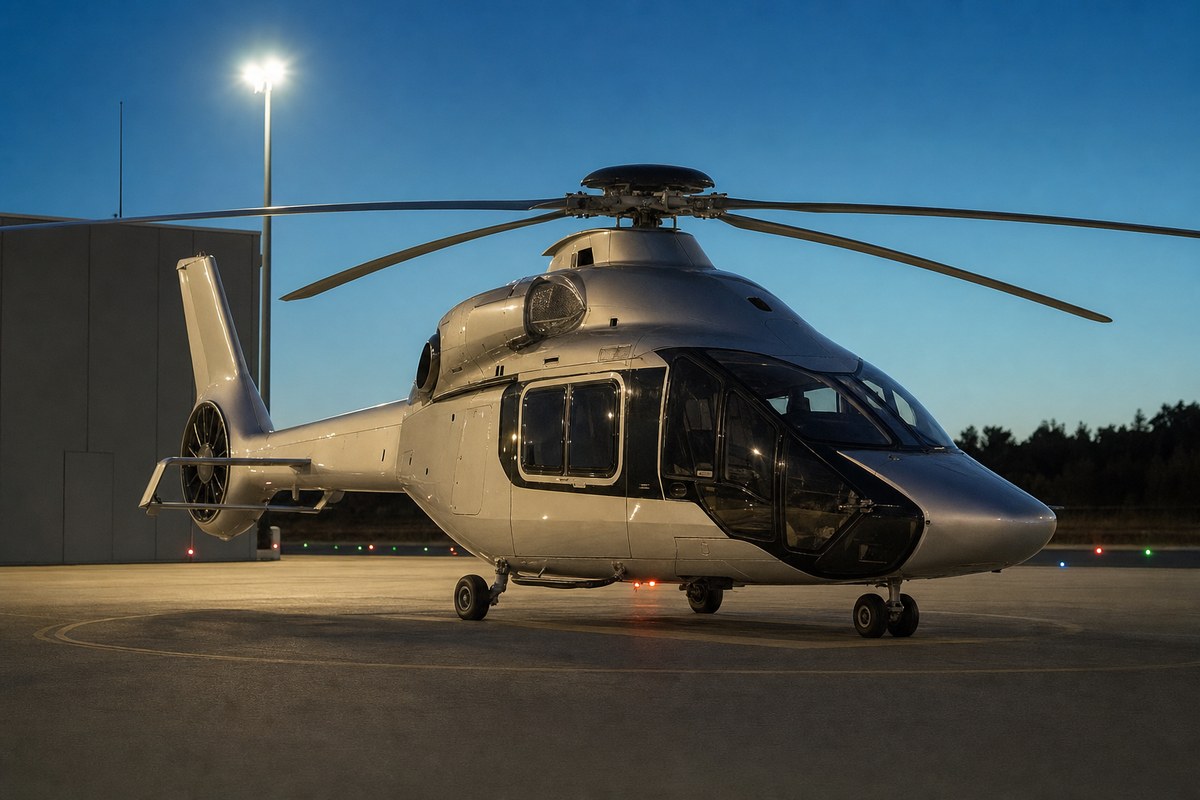
Lindsay Fox, founder of Linfox, said the delivery carried both operational and symbolic significance. "Linfox has built its reputation over decades on the highest standards of safety, professionalism, and operational performance, and the H160 reflects exactly those principles," Fox said. "Being the first to bring this aircraft into service in Australia is a proud moment for our team and a clear statement of our commitment to operating the most technologically advanced platform on the market." Olivier Michalon, executive vice president of global business at Airbus Helicopters, said the H160 "joins their fleet as the world's most technologically advanced medium twin-engine helicopter, exceptionally suited for Australia's varied terrain."
Pacific Crown Helicopters, a Part 145-certified maintenance organisation and Airbus Helicopters partner, prepared the helicopter for Australian service and will provide local support from the start of operations. More than 70 H160 helicopters are now in operation worldwide, with the global fleet logging more than 14,000 flight hours over the past year. The aircraft is equipped with the Helionix avionics suite and Arrano engines, which Airbus says reduce fuel burn by as much as 18% compared with earlier engines in the same class, and is certified to operate on fuel blends containing up to 50% sustainable aviation fuel. Its Blue Edge rotor blades reduce external noise by as much as 50% compared with earlier-generation models, according to Airbus. Design changes have also reduced the aircraft's empty weight, giving operators either an additional 100 kg of payload or an extra 60 nautical miles of range.
Industry impact & what to watch
A national-first delivery like this typically functions as a reference case: the operator absorbs the early-adopter costs of introducing a new type, while the manufacturer gains a local showcase for performance claims that prospective buyers in the same market can inspect firsthand. Corporate and regional helicopter operations depend heavily on this kind of demonstrated reliability, since buyers weighing a twin-engine platform for business travel between cities and regional destinations often wait to see how it performs in comparable terrain and route structures before committing.
The presence of a Part 145-certified partner, Pacific Crown Helicopters, handling preparation and ongoing local support addresses one of the standard barriers to adopting a new type in a market: without established maintenance capability in-country, an operator would otherwise carry higher downtime risk. Whether other Australian operators follow Linfox's move will likely depend on how the H160's fuel burn, noise and payload figures translate into real operating costs once flight hours accumulate locally, rather than on the global fleet totals alone.