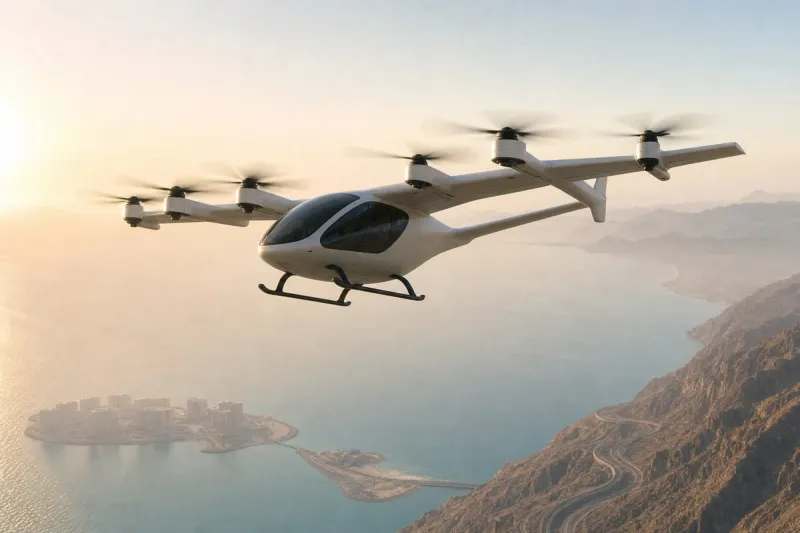
Samson Sky Secures $80 Million from Matin Group to Build Switchblade Flying Car Production Facility
Why It MattersInvestor backing for experimental flying-car production hinges on demand signals like reservation counts and projected revenue as much as on the aircraft's flight history.
What happened
Samson Sky has secured an $80 million investment from Matin Group, a privately held, family-led investment and strategic holding company headquartered in Dubai, to fund its first Switchblade production facility, according to Sam Bousfield, CEO and Founder of Samson Sky and designer of the Switchblade. The plant will occupy 180,000 square feet in the United States. The investment agreement includes a joint venture between Samson Sky and Matin Group intended to accelerate production, and company officials said an additional $20 million must still be raised to reach full production funding.
Matin Group CEO Mustafa Matin said the firm partners with companies that "have the courage to challenge convention and the discipline to deliver," and described the investment as one that creates lasting value for both shareholders and society.
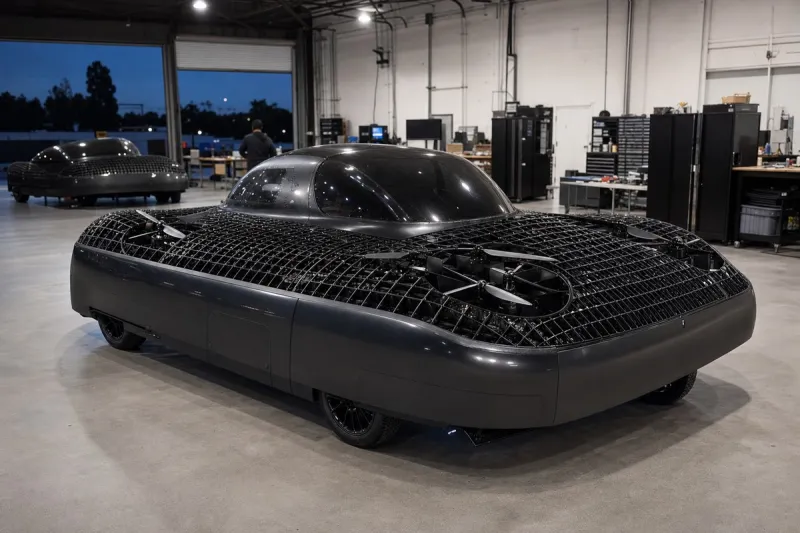
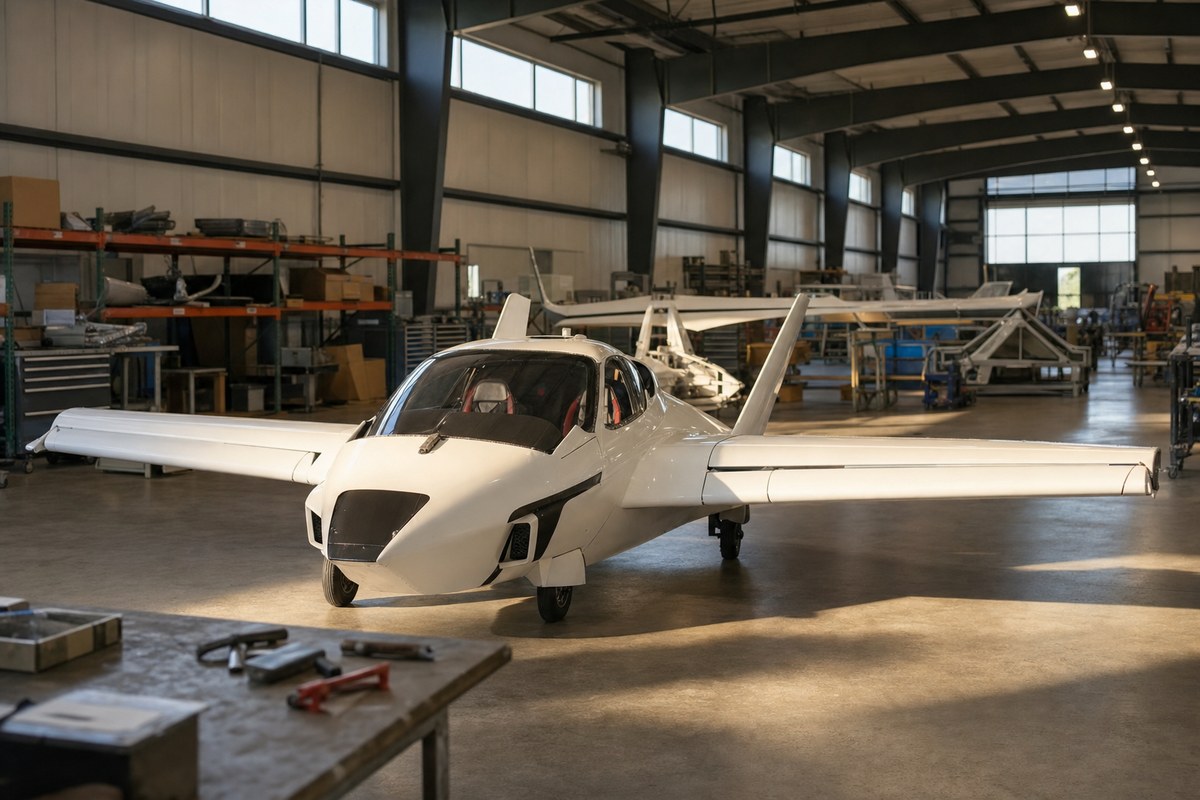
The Switchblade Flying Sports Car made its first flight in November 2023. It is a street-legal, hybrid electric vehicle seating two passengers side-by-side, capable of flying up to 500 miles on a single tank of premium auto gas. It is classified as an experimental aircraft, requiring owners to hold a private pilot certificate and to build 51% of the aircraft themselves, a requirement the FAA mandates for all experimental-category aircraft. All Switchblade owners spend one week at Samson's Builder Assist Center completing that requirement, after which Samson employees finish the remaining work. Samson Sky reports it currently holds nearly 2,700 reservations from customers in more than 50 countries and all 50 U.S. states, representing more than $500 million in projected future revenue.
Industry impact & what to watch
This case sits at the intersection of experimental aviation and automotive manufacturing, where a company must scale from hand-built prototypes to a dedicated production facility before it can convert reservations into deliveries. Raising capital in stages, with an $80 million tranche now and a further $20 million still sought, is typical of how early hardware ventures fund plant construction ahead of proven volume output.
The experimental-aircraft category shapes the business model itself: because the FAA requires owners to build 51% of the aircraft, Samson's revenue depends not just on selling vehicles but on running a builder-assist process that each customer must complete in person. That structure ties production capacity directly to how many owners the Builder Assist Center can cycle through, not just how many units a factory can stamp out.
What happens next depends on whether the remaining $20 million is raised and how quickly the new facility converts the nearly 2,700 existing reservations into completed aircraft. Matin Group's continued involvement through the joint venture will be the clearest signal of whether this funding structure can carry Switchblade from flight-tested prototype to serial production.